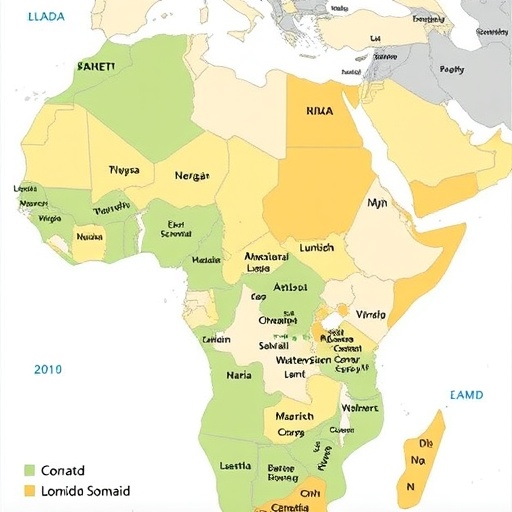
Environmental changes are significantly reshaping the social landscape of Africa, particularly in regions that are heavily reliant on agriculture and livestock for their livelihoods. The phenomenon of environmental migration has garnered increasing attention, particularly as communities grapple with the compounded impacts of hydrological variability, food insecurity, and resource scarcity. In Somalia, a stark illustration emerges of how sustained climatic extremes are driving waves of human displacement. Over the years, the country has witnessed a distressing pattern marked by five consecutive failed rainy seasons, outlining an urgent humanitarian crisis that has escalated the challenges faced by farming, pastoralist, and agropastoralist communities.
The ongoing drought crisis in Somalia is not merely a temporary inconvenience; it represents a systemic threat to the fabric of rural livelihoods. The recurrence of drought combined with food scarcity has resulted in widespread disruption, forcing individuals and families to abandon their homes in search of more viable living conditions. The intricate interplay of climate factors has shifted the paradigm of migration in the region, propelling environmental causes to the forefront of human displacement. The implications are dire, as numerous families find themselves compelled to leave the only homes they have ever known, leading to socio-economic disruptions both locally and in urban centers that receive these migrants.
In examining this pressing issue, researchers have undertaken a comprehensive analysis that integrates various methodologies, including geospatial data assessment, demographic surveys, hydrological modeling, and multivariate spatial analyses. This multifaceted approach allows for a thorough understanding of the underlying factors contributing to environmental migration trends in Somalia. The complexity of these factors cannot be overstated; they do not exist in isolation, but rather interweave to create a tapestry of challenges that communities must navigate.
One focal aspect of this research is the geographic and demographic mapping of over 40,000 individual migration cases. This documentation aims to paint a clearer picture of where environmental migrants originate and the specific circumstances that drive their decisions to migrate. By identifying the departure locations and analyzing the motivations behind these movements, a clearer narrative emerges regarding the crisis at hand. It is revealed that a staggering 76-91% of environmental migrants are departing from areas that exhibit statistically significant multivariate hot spots—regions where severe drought, widespread food insecurity, and acute agricultural water scarcity converge.
The findings undeniably highlight a crucial point: the persistent water deficiency compounding the existing agricultural challenges is not merely a background problem, but a primary driver prompting individuals to seek refuge elsewhere. The reliance on sustainable water resources is fundamental not just for crop production, but also for livestock, which remains a cornerstone of Somali rural economies. As these resources dwindle, so too does the possibility of securing a stable food supply, propelling many families toward uncertain destinies in search of better opportunities.
Moreover, the necessity for integrated strategies to tackle these pressing issues becomes increasingly apparent. Strategies must not only address immediate water availability but should also endeavor to enhance food security comprehensively. Policymakers are urged to prioritize developing proactive interventions that consider the multifactorial nature of these challenges, especially in the most vulnerable regions. This could involve implementing innovative water management practices, improving irrigation infrastructure, and promoting agricultural diversification to mitigate the impacts of climatic extremities.
Furthermore, the repercussions of environmental migration extend beyond the immediate context of drought and food scarcity. As communities displace, the socio-cultural dynamics shift dramatically, often leading to tensions over resources in receiving areas. Integrating measures to facilitate the cohesion and stability of these migration flows becomes imperative. Historical context reveals that such migratory patterns may lead to conflict over limited resources, particularly in urban settings ill-equipped to accommodate sudden influxes of displaced populations.
This emerging research reinforces the notion that humanitarian responses must evolve in tandem with the environmental challenges being faced. A concerted effort is required from governments, international organizations, and local communities to develop comprehensive response strategies that adequately address both immediate humanitarian needs as well as long-term climate adaptation measures. The confluence of environmental, social, and economic dimensions surrounding these issues necessitates a coordinated and holistic approach to effectively respond to the crisis.
As the impacts of hydroclimatic variability continue to compound, the urgency of addressing environmental migration becomes increasingly evident. The realities faced by Somali communities are symptomatic of broader global patterns where environmental factors increasingly dictate human movements. Understanding and addressing the specific needs of these communities is paramount, as is expanding data collection capabilities in regions where humanitarian access is limited.
In summary, the intricate relationship between environmental factors and migration highlights the need for awareness and strategic action in order to foster resilience in vulnerable communities. The resilience of farming, pastoralist, and agropastoralist communities hinges on successful adaptation mechanisms that encompass views on water management, food production, and community cohesion. As holistic strategies are developed, the importance of stakeholder collaboration cannot be overstated. Ensuring that those most affected are involved in the decision-making processes will enhance the efficacy of the interventions and contribute to sustainable future paths for affected communities.
The case of Somalia serves as a poignant reminder of the complexities surrounding environmental migration, illustrating the urgent need for integrated and coordinated responses to burgeoning challenges. Addressing the multifaceted nature of this crisis will not only alleviate humanitarian suffering but also potentially safeguard against future displacement events rooted in water deficiency and food insecurity. Continuous engagement with affected communities, innovative policy frameworks, and sustainable environmental practices will be crucial components in mitigating the impacts of ongoing hydroclimatic extremes.
As the world watches the unfolding situation in Somalia, it serves as an urgent call to action for global actors to prioritize environmental resilience in crafting solutions for displaced populations worldwide. The interplay of climate and migration reverberates beyond borders, signaling a need for collective responsibility in addressing the challenges of our time.
Subject of Research: Environmental Migration in Somalia due to Water Scarcity and Drought
Article Title: More than three-quarters of environmental migration in Somalia is driven by water deficiency for food and livestock production
Article References:
Wolde, S.G., D’Odorico, P. & Rulli, M.C. More than three-quarters of environmental migration in Somalia is driven by water deficiency for food and livestock production.Nat Food 7, 100–111 (2026). https://doi.org/10.1038/s43016-025-01275-z
Image Credits: AI Generated
DOI: January 2026
Keywords: Environmental Migration, Water Scarcity, Food Insecurity, Drought, Somalia, Agricultural Communities
Tags: agropastoralist displacement issuesclimate-induced human displacementdrought crisis in Somaliaenvironmental migration in Africafood insecurity and migrationhumanitarian crisis in Somaliahydrological variability effectsimpact of climate change on livelihoodspastoralist community challengesrural livelihoods and climate extremessocio-economic disruptions from migrationwater scarcity in Somalia