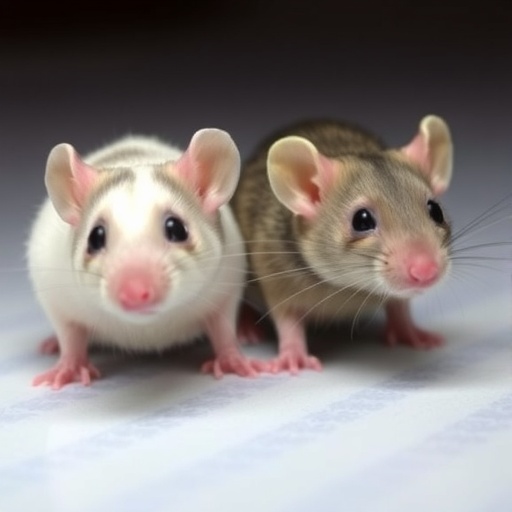
In recent years, there has been a growing interest in understanding the biological basis of sex differences in mental health disorders, particularly anxiety and depression. A pioneering study by Lee et al. has shed light on the sex-specific behavioral responses to challenges in neuronal growth regulator 1-knockout mice. This research opens new avenues for investigating how genetic and biological factors influence susceptibility to anxiety and depressive-like behaviors in males and females.
The significance of this study lies not only in its findings but also in the methodology employed. By utilizing neuronal growth regulator 1-knockout mice, the researchers were able to create a controlled environment to systematically observe behavioral outcomes. This approach allowed them to discern the nuanced implications of gene deletion on emotional regulation, a critical aspect of mental health. The knockout model serves as an innovative avenue for exploring the intersection of genetics and behavioral science.
Anxiety and depression are two of the most prevalent mental health disorders globally, affecting millions of individuals regardless of age or gender. However, research consistently demonstrates that males and females experience and exhibit these disorders differently. For instance, studies indicate that women are more likely to develop anxiety disorders, while men may exhibit more externalizing symptoms. The inherent biological underpinnings of these differences remain a subject of active investigation.
Lee et al.’s study provides compelling evidence that sex plays a crucial role in modulating anxiety- and depressive-like behaviors. Their findings indicate that while both male and female knockout mice exhibit behavioral alterations, the nature and severity of these alterations are strikingly different between the sexes. Such insights contribute to the growing body of literature suggesting that therapeutic approaches may need to be tailored to account for these differences.
Understanding the mechanisms behind these sex-specific responses could expand current paradigms of mental health treatment. For example, gender-specific strategies in pharmacological interventions may improve outcomes for patients suffering from anxiety and depression by addressing the unique biological and psychological infrastructures of males and females. This paradigm shift could realize a more personalized medicine approach, ultimately leading to better management of mental health disorders.
The study highlights the importance of genetic factors in the neurobiological pathways associated with mood regulation. Neuronal growth regulator 1 (Negr1) has been implicated in influencing synaptic connectivity and neuroplasticity, both of which are essential for emotional responses. Thus, the knockout of this gene offers a unique perspective on how genetic modifications can lead to observable behavioral changes. This understanding could also enhance our ability to predict who might be at risk for developing anxiety or depression based on their genetic makeup.
Furthermore, the behavioral assays applied in the study, such as the elevated plus maze and forced swim test, are standard measures used to assess anxiety and depressive-like states in rodent models. These methodologies provide vital insights into how genetic modifications affect stress-resilience and coping strategies, representing the complexity of mental health diagnosis in clinical settings.
The researchers also accounted for environmental factors, recognizing that the interplay between genetics and environment is critical in understanding mental health disorders. For example, stressors such as changes in social and physical environments can significantly impact anxiety and depressive behaviors, particularly in genetically susceptible individuals. Therefore, recognizing the role of these factors alongside genetic predispositions can advance our understanding of mental health.
As the dialogue surrounding mental health continues to evolve, the emergence of neuroscience research such as that conducted by Lee et al. underscores the necessity for interdisciplinary collaboration. By bridging the gaps between genetics, psychology, and environmental science, researchers can create a more holistic understanding of mental health disorders. This integrative approach could prove essential for developing innovative therapeutic strategies.
Additionally, the implications of this research can also extend to public health considerations. By understanding the root causes of sex differences in mental health, interventions could be more strategically implemented. Increased awareness of these differences could influence educational programs aimed at early detection and prevention, particularly for populations at higher risk due to genetic factors.
Finally, the findings raise fundamental questions about the future of mental health treatment and research. As our understanding of the genetic basis for behavioral differences expands, so too does the ethical responsibility of the scientific community. We must ensure that discoveries are translated into actionable strategies in a manner that considers individual differences without compromising patient dignity or agency.
The push towards more personalized approaches to mental health treatment reflects a broader trend in medicine. As researchers continue to unravel the intricate relationships between genetics, behavior, and mental health, we anticipate a future where interventions are appropriately tailored to the individual—considering factors such as sex, age, genetic predisposition, and environmental influences.
In summary, Lee et al.’s study offers pivotal insights into the sex-specific differences in anxiety and depressive-like behaviors in neuronal growth regulator 1-knockout mice. Their work not only enriches our understanding of the biological basis of mental health disorders but also sets the stage for future research aimed at addressing these differences in therapeutic contexts. As we forge ahead in this intricate field, the intersection of genetic research and behavioral science will be essential in paving the way for more effective mental health treatments tailored to meet the needs of all individuals.
Subject of Research: Sex-specific differences in anxiety and depressive-like behaviors in neuronal growth regulator 1-knockout mice.
Article Title: Sex-specific difference on anxiety- and depressive-like behavior in neuronal growth regulator 1-knockout mice.
Article References: Lee, S.R., Yoon, E., Baek, S. et al. Sex-specific difference on anxiety- and depressive-like behavior in neuronal growth regulator 1-knockout mice. Biol Sex Differ (2026). https://doi.org/10.1186/s13293-025-00816-2
Image Credits: AI Generated
DOI: 10.1186/s13293-025-00816-2
Keywords: anxiety, depression, sex differences, neuronal growth regulator 1, knockout mice, mental health, genetics.
Tags: anxiety and depression in micebehavioral outcomes in knockout micebiological basis of depressionemotional regulation in males and femalesgender differences in mental healthgenetic factors in anxietyinnovative approaches in behavioral scienceinvestigating genetic influences on behaviorneuronal growth regulator 1-knockout modelprevalence of anxiety disorderssex differences in mental health disorderssex-specific behavioral responses