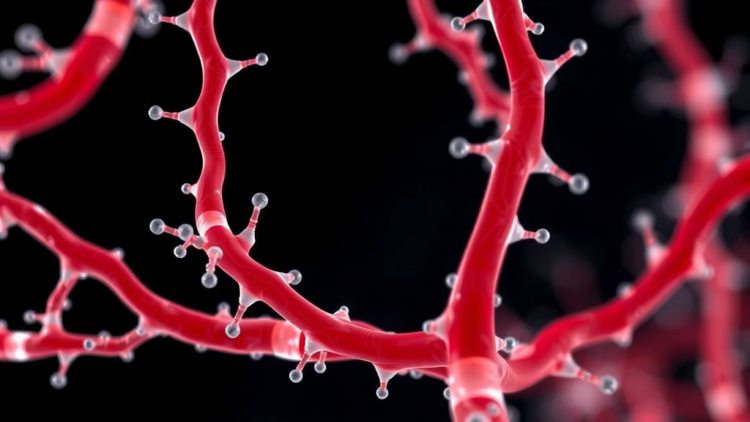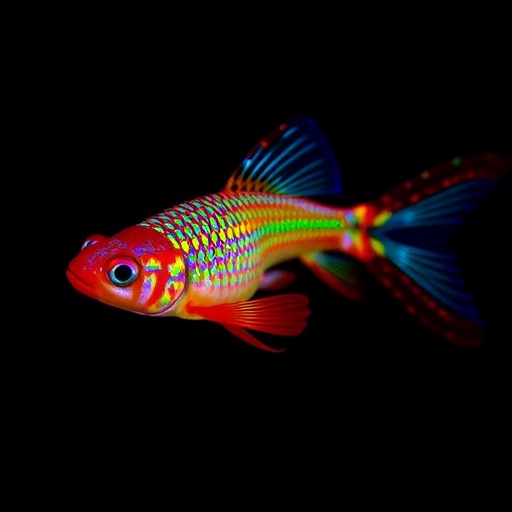
In a groundbreaking study published in the esteemed journal Angiogenesis, researchers have unraveled profound insights into endothelial biology through the innovative use of ‘AngioTag’ zebrafish. This model organism, with its transparent embryos, provides unparalleled visual access to the intricate world of blood vessel development and function. The latest findings, spearheaded by a team led by Miller, Greenspan, and Gildea, highlight how the sophisticated interaction between endothelial cells and their microenvironment plays a critical role in various physiological and pathological processes.
The endothelium, a thin layer of cells lining the blood vessels, has long been recognized as pivotal in modulating vascular functions, from regulating blood flow to facilitating inflammatory responses. In their exploratory research, the team deployed the ‘AngioTag’ system, a pioneering technique designed to label and visualize specific endothelial cells in a living organism. This advanced method provides real-time data on endothelial dynamics, something that previous methods could not achieve due to constraints with resolution and in vivo applicability.
The study reveals remarkable insights into how endothelial cells communicate and respond to various stimuli, which is essential for understanding diseases characterized by abnormal vascular growth, such as cancers and chronic inflammatory disorders. By leveraging the ‘AngioTag’ zebrafish model, researchers have documented the cellular behaviors and interactions that underpin the physiological processes of angiogenesis—an essential mechanism for tissue growth and repair. This is particularly significant as it sheds light on how tumors exploit these processes for their supply of nutrients and oxygen.
Unexpectedly, the researchers observed that the endothelial cells exhibit a level of plasticity that allows for rapid adaptation to their environment. This adaptability may have profound implications, not only in the context of normal biological functions but also for pathological conditions where the vascular architecture is disrupted. The findings suggest that targeting specific pathways involved in endothelial cell plasticity could yield new therapeutic strategies for managing diseases with a vascular component.
Moreover, the in vivo profiling generated through the ‘AngioTag’ technology has opened new avenues for investigating the role of inflammatory mediators in the modulation of endothelial function. This aspect is especially relevant since inflammation is a known contributor to a myriad of diseases, including cardiovascular conditions and neurodegenerative disorders. By understanding how inflammatory signals influence endothelial cells in a living organism, researchers can better design drugs that mitigate these effects without adversely impacting vascular integrity.
The implications of this study extend far beyond basic vascular biology. The identification of unique markers on endothelial cells through the ‘AngioTag’ system also presents opportunities for developing targeted therapies. By honing in on these markers, it might be possible to design nanoparticles or other therapeutic agents that can precisely deliver drugs to diseased tissues, thereby minimizing side effects and improving treatment efficiency.
Additionally, the research hints at the potential of using ‘AngioTag’ zebrafish as a platform for drug screening. By facilitating the observation of endothelial responses to various pharmacological agents in real-time, this model could accelerate the discovery of new therapeutics aimed at vascular diseases. This aspect could not only streamline the drug development process but also significantly decrease the costs associated with translational research.
As with any pioneering study, the current findings are just the beginning. Future research is necessary to validate these observations and extend the application of ‘AngioTag’ technology to other model systems. Moreover, the team acknowledges that while zebrafish are a powerful tool, the ultimate test will be understanding how these findings translate to mammalian systems and human biology.
The research community is abuzz with excitement about the potential applications of these findings. Experts believe that this study could serve as a cornerstone for future investigations into endothelial dynamics, especially in the context of systemic diseases. The prospect of using cutting-edge technology to visualize and manipulate cellular responses in vivo creates an avenue for unprecedented advancements in medical research and treatment.
Furthermore, the thorough nature of this investigation underscores the importance of interdisciplinary approaches in science. The integration of developmental biology, imaging technology, and computational analysis is essential for unraveling the complexities of biology. Such collaborations can help bridge gaps in knowledge and promote innovative solutions to pressing health challenges.
In conclusion, the study led by Miller, Greenspan, and Gildea demonstrates the enormous potential of the ‘AngioTag’ zebrafish model in advancing our understanding of vascular biology. Their findings pave the way for innovative therapeutic strategies for a wide range of diseases that stem from endothelial dysfunction. The researchers have set a new standard in the field, propelling us closer to a future where targeted treatments can emerge from comprehensive and dynamic insights into the vascular system.
This research not only enhances our understanding of endothelial biology but also inspires a wave of innovative thinking in therapeutic development. As the scientific community continues to explore and refine such methodologies, the hope is to harness these fundamental insights to transform patient care and improve health outcomes for countless individuals affected by vascular diseases.
Subject of Research: Endothelial profiling using ‘AngioTag’ zebrafish
Article Title: In vivo profiling of the endothelium using ‘AngioTag’ zebrafish
Article References:
Miller, M.F., Greenspan, L.J., Gildea, D.E. et al. In vivo profiling of the endothelium using ‘AngioTag’ zebrafish.
Angiogenesis 28, 40 (2025). https://doi.org/10.1007/s10456-025-09990-8
Image Credits: AI Generated
DOI: https://doi.org/10.1007/s10456-025-09990-8
Keywords: Endothelium, AngioTag, Zebrafish, Angiogenesis, Vascular Biology
Tags: AngioTag zebrafish modelblood vessel development researchcancer-related vascular growthchronic inflammatory disorders and angiogenesisendothelial cell communicationin vivo endothelium profilinginnovative imaging techniques in biologypathological processes in endotheliumphysiological processes in vascular biologyreal-time endothelial dynamicstransparent zebrafish embryos for researchvascular function modulation