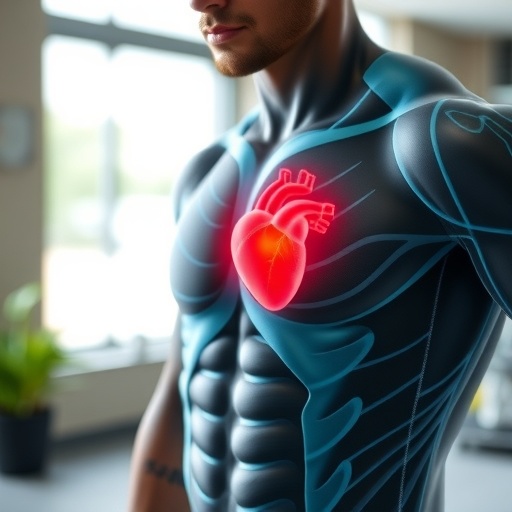
Recent research has unveiled significant insights into how exercise can play a crucial role in combating muscle atrophy induced by inflammatory cytokines after a myocardial infarction, commonly referred to as a heart attack. The study, led by Li et al., delves into the complex biochemical interactions that ensue following such cardiac events and how physical activity can serve as a counteracting force against detrimental physiological changes.
In the aftermath of a myocardial infarction, an inflammatory response is triggered in the body, with cytokines like IL-27 at the forefront. IL-27 is known to be a pro-inflammatory cytokine that exacerbates muscle loss, which can lead to adverse outcomes in patients recovering from heart attacks. Traditionally, efforts to mitigate muscle atrophy have focused on pharmacological approaches; however, this research highlights the importance of incorporating exercise as a non-pharmacological intervention.
The study draws attention to the mechanistic pathways influenced by exercise, showing that it can significantly reduce IL-27 levels or its effects on muscle tissue. Through exercise, the researchers observed reductions in markers associated with muscle degradation, thus demonstrating a tangible benefit for those suffering from the aftermath of myocardial infarctions. This emphasizes the therapeutic potential of physical activity in clinical settings, especially for cardiac rehabilitation programs.
In addition, the interplay between exercise and the inflammatory profile of patients presents a fascinating avenue for further research. The data suggest that regular physical activity initiates a cascade of anti-inflammatory responses that ultimately results in a healthier muscle composition. This phenomenon not only aids in reversing muscle loss but also enhances overall wellbeing and recovery rates following cardiac incidents.
Furthermore, the study underlines the necessity of personalized exercise regimens tailored to individual patients based on their specific health conditions and recovery progress. By evaluating factors such as the degree of muscle atrophy and the inflammatory response, healthcare providers can design more effective rehabilitation plans that harness the power of exercise to restore function and improve quality of life.
Overall, the findings from this research should serve as a wake-up call to healthcare practitioners to prioritize physical activity in treatment protocols for patients recovering from myocardial infarction. The ability of exercise to counteract inflammatory processes while promoting muscle health is a compelling reason to re-evaluate rehabilitation strategies in favor of holistic approaches that emphasize physical activity.
In conclusion, this research by Li and colleagues not only sheds light on the biochemical implications of exercise following myocardial infarction but also opens the door for innovative and integrative methods in cardiovascular rehabilitation. The study’s results are a testament to the intricate relationship between exercise and inflammatory responses, and they advocate for a paradigm shift in how heart disease recovery is approached.
As the field continues to evolve, it will be crucial to explore further the long-term benefits of exercise on muscle retention and overall heart health. With ongoing investigations, we can hope to uncover additional strategies that empower patients in their recovery journeys. Ultimately, promoting exercise as a key therapeutic intervention could redefine recovery protocols, potentially leading to better outcomes for millions affected by heart disease.
This transformative approach to rehabilitation underscores the importance of lifestyle modifications as a pivotal element in decreasing the impact of chronic diseases and enhancing quality of life. As more studies continue to emerge, they contribute towards a broader understanding of how proactive measures, such as exercise, can create long-lasting positive changes in muscle health after significant medical events like myocardial infarctions.
In an age where personalized medicine is becoming increasingly important, integrating exercise into treatment plans not only optimizes physical recovery but also addresses the mental and emotional challenges faced by individuals post-heart attack. The psychological benefits of engaging in regular physical activity, such as enhanced mood and reduced anxiety, are critical aspects that cannot be overlooked in a comprehensive recovery strategy.
Furthermore, the role of healthcare providers in facilitating this change is of paramount importance. By educating patients about the benefits of exercise and providing structured support, healthcare professionals can empower individuals to take ownership of their health post-myocardial infarction. This engagement leads to enhanced adherence to exercise regimens and, ultimately, better recovery outcomes.
As research in this area expands, there is an urgent need to disseminate this knowledge widely, ensuring that all patients have access to effective rehabilitation strategies. Policymakers, healthcare systems, and rehabilitation centers should collaborate to integrate physical activity into standard care for heart patients, ultimately cultivating a more health-centric approach to recovery from cardiovascular events.
Subject of Research: The impact of exercise on IL-27-induced muscle atrophy following myocardial infarction
Article Title: Exercise mitigates IL-27-induced muscle atrophy following myocardial infarction through anti-inflammatory mechanisms
Article References:
Li, Y., Yin, G., Li, S. et al. Exercise mitigates IL-27-induced muscle atrophy following myocardial infarction through anti-inflammatory mechanisms. J Transl Med (2026). https://doi.org/10.1186/s12967-025-07527-7
Image Credits: AI Generated
DOI: 10.1186/s12967-025-07527-7
Keywords: myocardial infarction, IL-27, muscle atrophy, exercise, anti-inflammatory mechanisms, rehabilitation, cardiovascular health, exercise therapy
Tags: biochemical interactions post-heart attackcardiac rehabilitation through physical activityenhancing recovery after myocardial infarctionexercise and muscle atrophy recoveryexercise as a therapeutic approachIL-27 cytokine effects on muscleimpact of exercise on inflammatory markersinflammatory response and muscle lossmyocardial infarction rehabilitation strategiesnon-pharmacological interventions for heart attackphysical activity and muscle healthreducing cytokine-induced muscle degradation