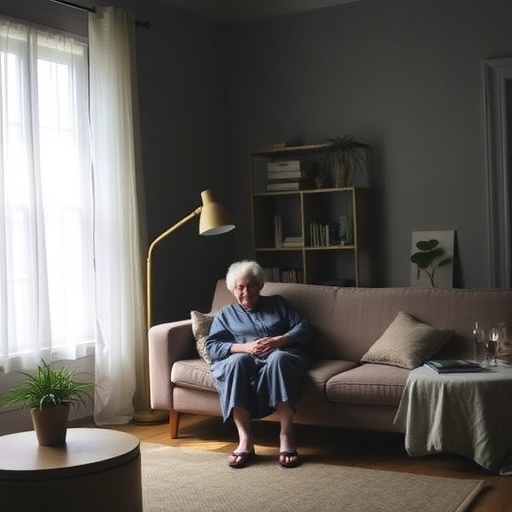
A recent compelling study published in the journal Ageing International has opened up new discussions concerning the psychological well-being and longevity of ageing adults, specifically in the context of South Africa. Researchers, led by prominent authors S. Pengpid and K. Peltzer, have meticulously investigated the long-term effects of living alone on mental health and mortality rates among older adults. Their work is poised to contribute significantly to the evolving narrative surrounding the implications of solitary living, particularly as the global population ages.
Living alone has become a prevalent phenomenon in many societies across the globe, especially among older adults. This demographic transition has sparked mixed reactions; while some view solitude as an opportunity for reflection and independence, others are quick to point out the potential psychological and health-related downsides that may accompany it. In South Africa, where social structures are undergoing rapid changes, understanding these associations is crucial for developing effective interventions and policies tailored to meet the needs of this vulnerable population.
The study examines the broader concept of social isolation and its relationship with two critical components of healthy aging: mental health and mortality. Social isolation is characterized by a lack of social connections, which can lead to various adverse outcomes. For older adults, being disconnected from their community and support networks can exacerbate feelings of loneliness and depression, ultimately impacting their overall health status. Through a rigorous longitudinal approach, the researchers aimed to assess these relationships over a defined period, providing a comprehensive view of the potential consequences of living alone.
Initial findings point to a complex interplay between solitary living and mental health. The data suggest that ageing adults who live alone experience higher levels of depression and anxiety compared to their counterparts who reside with others. This observation underscores the importance of social interactions and the psychological necessity of companionship, which is integral to maintaining emotional health. Loneliness, in particular, emerges as a critical factor influencing both mental well-being and physical health outcomes in this demographic.
Moreover, the implications of living alone extend beyond mental health, as the study also highlights a concerning link with increased mortality rates among ageing adults. The researchers found that those who live alone are more likely to face health complications and may not receive timely medical assistance during emergencies. This lack of support can lead to delayed treatment of critical health issues, ultimately elevating the risk of premature mortality. The findings serve as a wake-up call to both health professionals and policymakers regarding the need to address not just the psychological, but also the physical ramifications of solitary living.
The study’s methodology is noteworthy, as it incorporates a longitudinal analysis that tracks participants over several years. This approach allows for a more accurate understanding of the trends and changes in mental health and mortality rates associated with living alone, avoiding the pitfalls of cross-sectional studies, which often provide only a snapshot of a given moment. By following participants over time, the researchers have been able to delve deeper into how the implications of solitary living may evolve, offering a narrative that captures the dynamic nature of mental health as individuals age.
In light of these findings, the authors advocate for the development of targeted interventions aimed at mitigating the adverse effects of living alone on ageing adults. These could take the form of community engagement initiatives that foster social connections, mental health support services tailored to the unique needs of elder populations, or even government policies that address housing and social service provisions. The significance of social support networks cannot be overstated, as they can play a pivotal role in enhancing the quality of life for older adults and ensuring their well-being.
Furthermore, the study adds to the growing body of literature that emphasizes the health consequences of loneliness. Loneliness is increasingly recognized as a public health issue, with a range of studies now linking it to various physical and psychological conditions, from heart disease to cognitive decline. In South Africa, where traditional family structures are shifting, understanding loneliness within the context of ageing is critical for safeguarding this population’s health.
One compelling argument presented by the authors is the potential for communities to serve as essential buffers against the adverse effects of living alone. Engaging older adults through volunteer programs, social clubs, or community centers could promote interaction and reduce feelings of isolation. Harnessing technology to connect older individuals with their peers is another avenue worth exploring, as it can facilitate new forms of social engagement, particularly in areas where mobility is restricted.
As the study progresses, future research will certainly seek to expand on these findings, perhaps by examining the impact of cultural, socioeconomic, and geographical variables on the mental health and mortality of older adults living alone. As South Africa continues to evolve demographically, understanding the nuanced experiences of its ageing population will be crucial for fostering well-being and ensuring that no one is left behind.
In conclusion, the research led by S. Pengpid and K. Peltzer sheds light on an increasingly relevant issue in gerontology. The findings bring attention to the significant mental health challenges and mortality risks faced by ageing adults who live alone in South Africa. As society navigates the complexities of an ageing population, it is imperative to heed these warnings and take concrete actions to foster connections, provide support, and ultimately enhance the quality of life for those in solitude. The journey towards understanding the full breadth of living alone in later life is far from over, and the insights derived from this study are bound to reverberate across disciplines well into the future.
Subject of Research: The associations between living alone, mental health, and mortality rates among ageing adults in South Africa.
Article Title: Longitudinal Associations between Living Alone and Mental Health and Mortality in Ageing Adults in South Africa.
Article References:
Pengpid, S., Peltzer, K. Longitudinal Associations between Living Alone and Mental Health and Mortality in Ageing Adults in South Africa.
Ageing Int 50, 50 (2025). https://doi.org/10.1007/s12126-025-09632-w
Image Credits: AI Generated
DOI: 10.1007/s12126-025-09632-w
Keywords: Ageing, Mental Health, Mortality, Living Alone, Social Isolation, South Africa.
Tags: aging and social connectionseffects of loneliness on healthhealth implications for elderly living aloneimpact of solitude on seniorsinterventions for solitary seniorsliving alone and mental healthlong-term effects of living alonemortality rates among elderlypsychological well-being in aging populationsocial isolation in older adultsSouth Africa aging demographicsstrategies for improving mental health in seniors