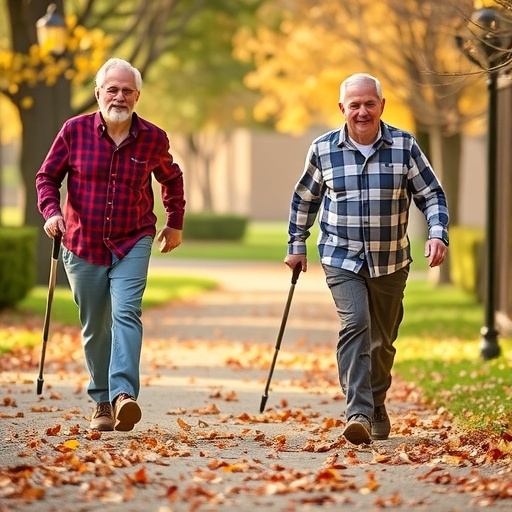
In a groundbreaking study published recently, the effectiveness of a nation-wide fall prevention intervention in the Netherlands has been investigated, shedding light on the critical health challenges faced by community-dwelling older adults. Falls among older adults remain a significant public health concern, not only for the physical injuries they cause but also for the long-term disabilities and emotional consequences that can arise. This study, a randomized controlled trial, offers compelling insights into an initiative designed to combat this pressing issue.
The research focuses on an intervention aimed specifically at older adults who are at an increased risk of falling. Designed after extensive consultation with healthcare professionals and community leaders, the program encompasses a series of educational, physical, and environmental strategies. The aim is to create a comprehensive approach that helps to minimize falls while empowering older adults to maintain independence and enhance their quality of life.
The randomized controlled trial involved a substantial sample size, reflecting the diverse nature of the community’s older population. Participants were selected based on specific risk factors, including previous fall incidents, mobility challenges, and other health-related issues. This robust methodological framework strengthens the validity of the findings, making them relevant not only within national borders but potentially applicable to international contexts as well.
During the intervention, participants were introduced to a range of fall prevention techniques, including balance training, strength exercises, and home safety assessments. Occupational therapists played a pivotal role in this program, customizing strategies based on individual needs and ensuring that each participant received personalized guidance. The educational component provided information about safe practices, empowering participants to identify and mitigate risks in their daily routines.
Preliminary results from the trial are promising, indicating that those who participated in the intervention experienced a significant reduction in both falls and related injuries when compared to a control group that did not receive the intervention. This decrease not only points to the effectiveness of the strategies employed but also underscores the vital importance of proactive measures in managing the health of older adults.
The impact of falls extends beyond the immediate health implications. Many older adults experience a decline in confidence following a fall, which can lead to a decrease in physical activity and social engagement, creating a cycle of decline. The comprehensive nature of this intervention aims not only to reduce falls but also to foster resilience and self-efficacy among participants, encouraging them to stay active and connected.
As communities worldwide grapple with aging populations and the unique challenges they face, the findings from this study provide a framework that can potentially inform similar initiatives globally. The Holland model showcases how collaborative efforts between healthcare providers, community organizations, and policymakers can create effective solutions tailored to the needs of older adults.
Moreover, the integration of technology into the fall prevention strategy highlights an innovative front in public health interventions. Participants were provided with accessible resources, including digital tools that offered reminders for exercises and safety tips. The role of technology in enhancing elderly care continues to expand, offering new avenues for engagement and support.
Continued research is needed to assess the long-term sustainability of the intervention’s effects. How will these changes hold over time, and will participants maintain the practices recommended during the trial? Future studies may explore these questions, investigating not only the direct outcomes of the intervention but also the psychological effects on the participants’ well-being and independence.
In light of the results, public health officials in the Netherlands are encouraged to consider wider implementation of the intervention as part of national health policy. Addressing falls among older adults categorically in policy will reflect a commitment to holistic healthcare and improved quality of life for this demographic, paving the way for more integrated care approaches.
Additional research could also explore demographic factors, such as socio-economic status, educational background, and geographic locations, which could influence the effectiveness of fall prevention strategies. Understanding how different populations respond to interventions could help tailor programs that meet specific community needs.
As we look forward, the success of this initiative could inspire countries facing similar issues. A proactive, solutions-focused approach to elderly care may not only reduce both injuries and fatalities due to falls but also enrich the lives of older adults, enabling a fuller, healthier participation in society.
In conclusion, the insights from this research present an encouraging narrative in the context of fall prevention strategies for older adults. By focusing on comprehensive, community-based interventions, we take important steps toward safeguarding the health and dignity of our aging population while ensuring that they remain a vital part of our communities.
Subject of Research: Fall Prevention in Older Adults
Article Title: The effectiveness of a nation-wide implemented fall prevention intervention in the Netherlands in reducing falls and fall-related injuries among community-dwelling older adults with an increased risk of falls: a randomized controlled trial.
Article References:
van Gameren, M., Voorn, P.B., Bossen, D. et al. The effectiveness of a nation-wide implemented fall prevention intervention in the Netherlands in reducing falls and fall-related injuries among community-dwelling older adults with an increased risk of falls: a randomized controlled trial.
BMC Geriatr (2026). https://doi.org/10.1186/s12877-025-06967-6
Image Credits: AI Generated
DOI:
Keywords: Fall prevention, older adults, health intervention, randomized controlled trial, community health.
Tags: community-based health interventions for elderlycomprehensive fall prevention programseducational programs for fall preventionempowering older adults to prevent fallsenhancing quality of life for seniorsenvironmental modifications to prevent fallsfall prevention strategies for seniorshealth challenges faced by older adultspublic health initiatives for elderly safetyrandomized controlled trial on fall preventionreducing fall-related injuries in older adultsrisk factors for falls in seniors