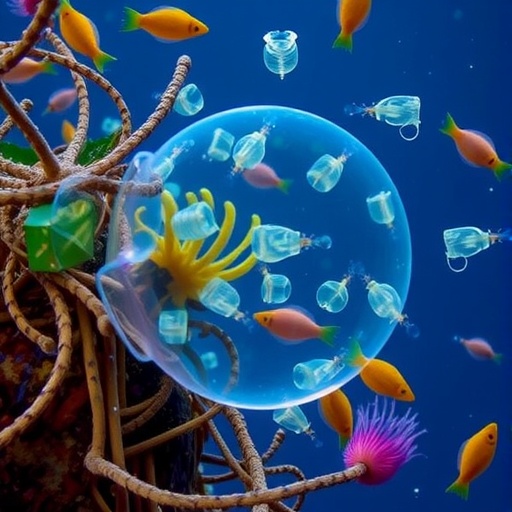
Plankton, though often overlooked, are fundamental components of marine ecosystems that sustain life and maintain ecological balance. These microscopic organisms, primarily comprising phytoplankton and zooplankton, form the base of the marine food web and influence a myriad of ecological interactions. In the vast expanse of our oceans, it is plankton that play a pivotal role, nurturing a diverse array of marine biodiversity and contributing significantly to the overall function of marine ecosystems.
Phytoplankton, the autotrophic components of plankton, are crucial for oxygen production and carbon fixation. They harness sunlight through photosynthesis, generating oxygen as a byproduct and forming organic compounds that serve as a primary energy source for various marine organisms. This process not only supports higher trophic levels but is also critical in regulating atmospheric carbon dioxide levels, thereby influencing climate patterns on a global scale. The cycling of nutrients, made possible by phytoplankton, underscores their importance in sustaining the productivity of marine waters.
Zooplankton, the heterotrophic members of the plankton community, feed primarily on phytoplankton and are vital links in the food web. They act as a key feeding group for many marine species, including fish, whales, and seabirds. By consuming phytoplankton, zooplankton facilitate energy transfer to higher trophic levels, showcasing their significant role in sustaining fishery resources. The abundance and diversity of zooplankton can directly affect fish populations, which are ultimately reliant on their presence for survival.
Environmental changes, whether due to climate change, pollution, or habitat degradation, pose considerable threats to plankton communities. Rising ocean temperatures impact the distribution and species composition of both phytoplankton and zooplankton. Altered thermal profiles can disrupt seasonal cycles, leading to mismatches in food availability for marine organisms. Additionally, ocean acidification can hinder the growth of certain plankton species, such as calcifying organisms, which are essential for a functioning ecosystem. The ramifications of these changes ripple through the marine food web, underscoring the interconnectedness of all marine life.
The role of plankton extends beyond food webs; they are critical in biogeochemical cycles. Phytoplankton influence the marine carbon cycle by sequestering carbon in deep ocean waters through sinking organic matter, a process known as the biological carbon pump. This mechanism is essential for mitigating climate change as it captures andstores carbon dioxide that would otherwise contribute to atmospheric warming. Understanding and safeguarding plankton populations are thus imperative for sustaining ecological functions and combating climate change.
Recent research highlights the importance of maintaining varied plankton populations to foster resilient marine ecosystems. Biodiversity among plankton species enhances ecosystem stability and productivity. A diverse assemblage of phytoplankton can lead to increased resilience against environmental fluctuations, while a rich zooplankton community can ensure that energy transfer remains effective. Conservation efforts that protect marine habitats, reduce pollution, and mitigate climate change are essential in promoting plankton diversity.
The influence of plankton on marine ecosystems is profound and multifaceted. Not only do they play a critical role in supporting marine food webs and biodiversity, but they also significantly impact nutrient cycling and carbon dynamics. Their health is an indicator of the overall state of marine ecosystems, with shifts in plankton communities often signifying larger environmental changes. Monitoring plankton populations and understanding their responses to various stressors is crucial for marine conservation efforts.
Scientific exploration into the complex dynamics of plankton communities is ongoing. As technology advances, researchers utilize satellite imagery and autonomous underwater vehicles to gather data on plankton distribution and health. These tools enable the identification of trends and shifts in plankton populations, offering insights into potential environmental issues. Through systematic reviews and comprehensive studies, scientists aim to better understand the intricate relationships between plankton, marine organisms, and their habitats.
Given the significance of plankton in marine ecosystems, it is imperative for future research to focus on their ecology and the factors that influence their success. The implications of changes in planktonic communities extend beyond the marine realm, affecting human activities such as fisheries and climate regulation. By investing in research and conservation, we can ensure the sustainability of marine ecosystems and their valuable resources for future generations.
In conclusion, plankton play an indispensable role in the functioning and diversity of marine ecosystems. Their contributions as primary producers and key components of the marine food web establish them as fundamental players in maintaining the ecological balance of our oceans. As we strive to understand and protect these tiny yet mighty organisms, it is crucial to recognize their value not just for marine life, but for the health of our planet as a whole.
The study of plankton is more than a mere academic endeavor; it is a vital pursuit that informs our understanding of aquatic ecosystems and their responses to a changing world. As we face unprecedented global challenges, safeguarding plankton communities is essential for protecting marine biodiversity and promoting the resilience of our oceans.
Subject of Research: The role of planktons in sustaining the function and diversity of marine ecosystems.
Article Title: The role of planktons in sustaining the function and diversity of marine ecosystems: a systematic review.
Article References:
Chowdhury, P., Khan, S.J., Sumon, M.A.A. et al. The role of planktons in sustaining the function and diversity of marine ecosystems: a systematic review.
Discov Anim 3, 9 (2026). https://doi.org/10.1007/s44338-025-00113-7
Image Credits: AI Generated
DOI: https://doi.org/10.1007/s44338-025-00113-7
Keywords: plankton, marine ecosystems, biodiversity, food webs, climate change.
Tags: autotrophic and heterotrophic planktoncarbon fixation by phytoplanktonclimate impact of planktonecological balance and planktonmarine biodiversity and planktonmarine food web dynamicsmicroscopic organisms in ocean healthnutrient cycling in oceansphytoplankton oxygen productionplankton importance in marine ecosystemssustaining marine life with planktonzooplankton role in food web