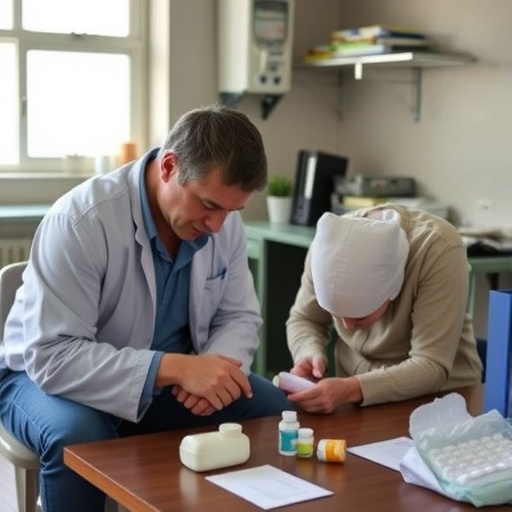
In the vast landscape of substance use disorders, the emergence of amphetamine-type stimulants has become a pressing concern among healthcare professionals, particularly in rural areas. The challenges faced by primary care clinics in these regions when managing patients with amphetamine use disorder are exacerbated by a lack of specialized resources. This has led to a groundbreaking study by Yerton, McCabe, Iles-Shih, and colleagues, which illuminates the strategies employed in prescribing medications for this growing population.
Rural primary care settings often serve as the first point of contact for individuals struggling with substance use issues. In the Pacific Northwest, where the prevalence of amphetamine-type stimulant disorders is rising, understanding how general practitioners approach treatment is critical. The study aims to explore the effectiveness of prescribed medications and the barriers therapists encounter when treating these patients in a fragmented healthcare system.
One of the most striking findings of this research is the variance in treatment practices across various clinics. The study indicates that many healthcare providers lack sufficient training or resources to navigate the complexities of treating stimulant use disorder effectively. This lack of uniformity not only affects patient outcomes but can also lead to increased stigma associated with seeking help for addiction, particularly in small, rural communities where such issues might be hushed or hidden.
Moreover, the research reveals that some medications are becoming fixtures in the treatment of amphetamine-type stimulant use disorder, though their use is not widely standardized. Clinicians frequently face decisions regarding the initiation of pharmacotherapy without substantial guidance. This uncertainty can lead to hesitancy in prescribing, which can further complicate the already daunting landscape of addiction treatment in primary care.
Evidence suggests that effective treatment often involves the combination of pharmacological and non-pharmacological interventions, yet many clinics focus solely on medication prescription. The researchers emphasize the need for a more holistic approach to care, one that integrates behavioral therapies alongside medication to provide a comprehensive treatment model. This would ensure that patients receive well-rounded support tailored to their unique experiences and needs.
The study also highlights the importance of follow-up care and long-term monitoring of patients undergoing treatment for stimulant use disorder. Many individuals may drift away from the care continuum once they feel initially stable, but this can lead to relapse. Preventing this requires a robust support system, well-trained healthcare professionals, and policies that promote continuous engagement.
An issue that the research brings to the fore is the psychological and social dimensions of amphetamine use. Comprehensive care should address not only the chemical dependency but also the underlying psychological issues that may drive substance use. This includes evaluating factors such as co-occurring mental health disorders, socio-economic status, and environmental influences, all of which can significantly impact the effectiveness of treatment.
As the study progresses, its authors anticipate that findings will contribute to the development of tailored treatment protocols, enhancing the capacity of primary care clinics in rural areas to handle stimulant use disorders more effectively. This might involve establishing training programs that equip healthcare providers with the necessary skills and knowledge to treat these complex conditions.
Innovative approaches to care, such as telehealth services and community support networks, could also play a role in bridging gaps in treatment access. For individuals living in isolated areas, the option of receiving care remotely can reduce barriers and increase the likelihood of engagement. The study posits that integrating technology into addiction treatment may be vital in addressing both geographical and social barriers.
On the ground, the findings of this research emphasize an urgent need to raise awareness about the increasing incidence of stimulant use disorders. Public health campaigns aimed at destigmatizing addiction can encourage those struggling with substance use to seek help, emphasizing the message that these conditions are manageable with proper medical intervention and support.
Furthermore, policymakers are called to action based on the insights gleaned from this study. The need for systemic changes in how addiction treatment is approached within rural healthcare systems is paramount. Legislative support could foster the establishment of resource allocation to create a network of services and education specifically designed for stimulant misuse treatment.
In conclusion, as highlighted by Yerton and colleagues, the intersection of primary care and addiction treatment presents a unique set of challenges and opportunities. Through enhanced training, adequate resource allocation, and an integrated approach to care, there is potential for improved outcomes for individuals struggling with amphetamine-type stimulant use disorder in rural settings. The path forward involves collaboration among healthcare providers, policymakers, and the community at large to foster a more responsive and effective system of care.
Subject of Research: Treatment practices for amphetamine-type stimulant use disorder in rural primary care clinics.
Article Title: Prescribed medications for patients with amphetamine-type stimulant use disorder seen in rural-serving Pacific Northwest primary care clinics.
Article References:
Yerton, M.J., McCabe, C.J., Iles-Shih, M.D. et al. Prescribed medications for patients with amphetamine-type stimulant use disorder seen in rural-serving Pacific Northwest primary care clinics. Addict Sci Clin Pract 20, 67 (2025). https://doi.org/10.1186/s13722-025-00593-8
Image Credits: AI Generated
DOI: https://doi.org/10.1186/s13722-025-00593-8
Keywords: amphetamine-type stimulant, substance use disorder, rural primary care, pharmacotherapy, behavioral therapy, addiction treatment, healthcare challenges, telehealth, policy implications.
Tags: amphetamine-type stimulants treatmentbarriers to addiction careeffective prescribing practicesfragmented healthcare systemshealthcare provider training needsmedications for stimulant use disorderpatient outcomes in addiction treatmentprimary care clinics strategiesrural addiction treatment solutionsrural healthcare challengesstigma in addiction recoverysubstance use disorder management