In an era where understanding the underpinnings of cellular processes could revolutionize the field of medicine, a recent editorial expression of concern has brought to light significant findings regarding endostatin, a potent inhibitor of angiogenesis. Recently published in Angiogenesis, this editorial highlights the critical role of nucleolin, a multifunctional protein, in mediating the nuclear translocation of endostatin in endothelial cells. This discovery is pivotal as it uncovers a new dimension in the interaction between angiogenesis and tumor progression, suggesting new therapeutic strategies could emerge from this understanding.
Endostatin, a fragment of collagen XVIII, is recognized for its anti-angiogenic properties, which makes it a target of interest for cancer therapies. Traditionally, its mechanism of action has been attributed to its ability to inhibit endothelial cell proliferation and migration. However, the latest findings suggest that its functionality extends beyond the cytoplasmic locale, facilitating its movement into the nucleus. This transition to the nucleus implies a deeper regulatory role by modifying gene expression directly involved in angiogenesis.
The study conducted by Song, Ding, Zhuo, and colleagues illustrates that the receptor nucleolin is the facilitator of this nuclear translocation. Nucleolin itself is associated with various cellular processes, including ribosome biogenesis, chromatin remodeling, and regulation of gene expression. Understanding the interplay between endostatin and nucleolin could significantly alter existing perspectives on angiogenesis regulation. The coupling of nucleolin’s receptor role with the anticancer properties of endostatin forms a novel research avenue with potential to unravel new cellular pathways exploited during tumor angiogenesis.
A particularly compelling aspect of their work highlights how this nuclear translocation affects signal transduction pathways that control endothelial cell function. When endostatin binds to nucleolin, it not only influences its localization within the cell but may also initiate a cascade of molecular events that could modify endothelial gene expression patterns. This discovery serves as a reminder that proteins such as endostatin hold not just local function but can integrate into larger cellular signaling networks, impacting cell fate and functionality.
Furthermore, this editorial encapsulates the essence of scientific vigilance, emphasizing the need for ongoing scrutiny of novel findings in the field. The concerns raised serve to alert the scientific community to revisit and replicate these findings before they become accepted mainstream knowledge. Concerns in scientific publications often stimulate productive discussion and reevaluation, ultimately strengthening the body’s collective understanding of complex biological processes.
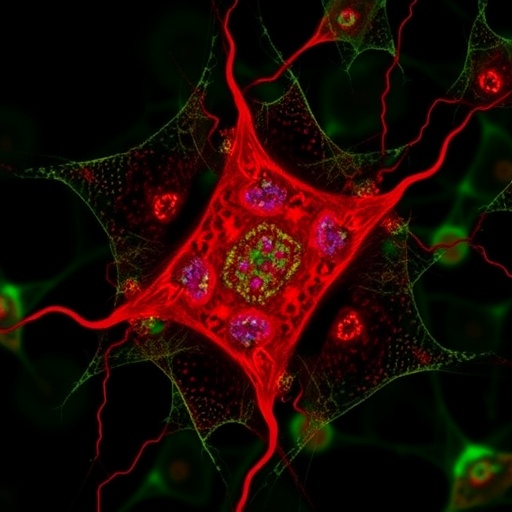
Another key takeaway from the editorial is the importance of validated methodologies in exploring nuanced interactions within cellular environments. The claims regarding endostatin’s behavior were established through various experimental techniques, including immunoassays and confocal microscopy. These methodologies are crucial not just for confirming findings but also for ensuring that the data presented can withstand rigorous peer review and duplication efforts within the research community.
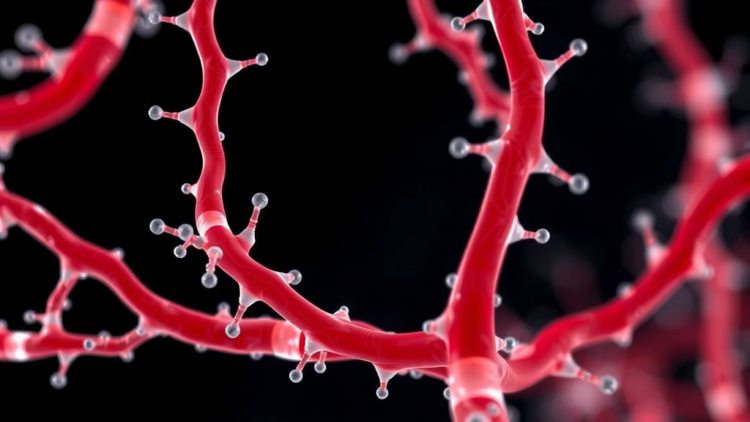
Angiogenesis, or the formation of new blood vessels from pre-existing ones, plays a fundamental role in both health and disease. At its core, it is essential for wound healing and tissue repair, yet it is also a hallmark of cancer progression, allowing tumors to grow and metastasize. Therefore, targeting the mechanisms that regulate angiogenesis, like the interaction between endostatin and nucleolin, could yield revolutionary advancements in the treatment of various cancers where angiogenesis is dysregulated.
As the research community continues to grapple with the complexities of cancer biology, findings such as those detailed in this editorial are crucial in deciphering how the cellular players interact. There exists a pressing need to develop therapies that can effectively disrupt these interactions, leading to targeted interventions that can curb tumor growth without affecting surrounding healthy tissues. The implications of understanding endostatin’s interaction with nucleolin extend far beyond basic science; they touch upon the realm of therapeutic intervention and public health.
Further research will undoubtedly be required to develop a comprehensive understanding of the downstream effects stemming from the nucleolin-mediated nuclear translocation of endostatin. Experimental validation in diverse cell lineages and pathological conditions will be necessary for extending these findings from model systems into potential clinical applications. It might also be exciting to explore whether other known angiogenesis inhibitors exhibit similar behaviors and receptor interactions.
Moreover, the potential for synergistic therapeutic strategies that combine endostatin with other modalities targeting nucleolin cannot be underestimated. Such approaches could maximize anti-tumor efficacy while minimizing side effects resulting from non-specific therapies. Given that many of the current cancer treatments grapple with issues of specificity and resistance, revisiting established molecules like endostatin offers an exciting path forward to enrich our arsenal against cancer.
In conclusion, the editorial expression of concern surrounding the nuclear translocation of endostatin, mediated by nucleolin, serves as an impetus for robust discussion and further investigation into its implications for cancer treatment strategies. The evolving landscape of our understanding of angiogenesis and its regulation will no doubt benefit from ongoing research efforts in this promising arena, heralding a new era where the intricacies of cell biology can lead to innovative therapies for the fight against cancer.
Thus, while concerns have been raised, they serve as a beneficial component in the continual pursuit of knowledge within the scientific community. As researchers remain vigilant, the promise of unlocking new therapeutic modalities tailored to fight cancer more effectively grows ever closer.
Subject of Research: The nuclear translocation of endostatin mediated by its receptor nucleolin in endothelial cells.
Article Title: Editorial Expression of Concern: The nuclear translocation of endostatin is mediated by its receptor nucleolin in endothelial cells.
Article References:
Song, N., Ding, Y., Zhuo, W. et al. Editorial Expression of Concern: The nuclear translocation of endostatin is mediated by its receptor nucleolin in endothelial cells.
Angiogenesis 28, 58 (2025). https://doi.org/10.1007/s10456-025-10014-8
Image Credits: AI Generated
DOI:
Keywords: Endostatin, nucleolin, angiogenesis, cancer therapy, nuclear translocation, endothelial cells, molecular interactions.
Tags: angiogenesis and cancer researchangiogenesis inhibition mechanismsanti-angiogenic properties of endostatincancer therapy strategiescellular processes in medicineendostatin and nucleolin interactionendostatin nuclear transportendothelial cell gene expression regulationmultifunctional proteins in cellular biologynuclear translocation of proteinsnucleolin and tumor progressionnucleolin role in endothelial cells