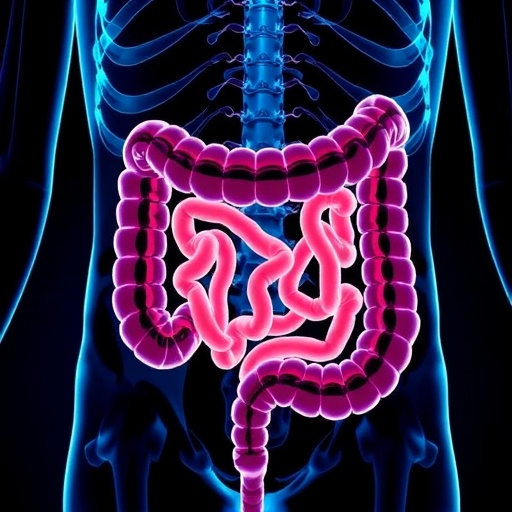
In an illuminating study set to redefine our understanding of colorectal cancer, researchers Yin, Li, Xie, and their colleagues embark on an innovative exploration of deoxycholic acid through the lenses of network toxicology and machine learning. This groundbreaking research not only seeks to shed light on the convoluted pathways of cancer development but also proposes a paradigm shift in how we perceive the interactions of various biochemical compounds within the human body. Deoxycholic acid, a bile acid produced during the metabolism of fats, is increasingly gaining attention for its potential role in carcinogenesis. This study provides a comprehensive mechanistic overview of how deoxycholic acid may be intricately linked to the progression of colorectal cancer, revealing both the potential risks and future therapeutic prospects.
Utilizing cutting-edge network toxicology, the researchers meticulously deployed powerful computational tools to unravel the intricate web of biochemical interactions that deoxycholic acid initiates within cellular environments. This approach allows scientists to visualize complex biological systems in unprecedented detail, making it possible to pinpoint the exact molecular targets influenced by deoxycholic acid. By leveraging large datasets and sophisticated algorithms, the team crafted a holistic view of how this bile acid can contribute to the pathophysiology of colorectal cancer. Their findings pose essential questions about the safety and implications of bile acid metabolism, particularly in individuals with a predisposition toward colorectal malignancies.
The researchers employed advanced machine learning techniques to analyze the interaction data derived from network toxicology studies. By training algorithms on existing biological datasets, they made significant strides in predicting the effects of deoxycholic acid on different cellular responses. This systematic approach not only enhances the reliability of toxicological predictions but also paves the way for more personalized medicine strategies where treatments could be tailored based on individual patient biology. As machine learning continues to evolve, its integration with toxicology could revolutionize cancer research and therapeutic interventions, allowing for quicker identification of potential risks associated with various compounds.
One of the most illuminating aspects of this study is its focus on the duality of deoxycholic acid. While it plays a pivotal role in digesting fats and maintaining homeostasis within the digestive system, emerging evidence suggests that elevated levels of this bile acid could instigate cellular transformations conducive to malignancy. The researchers delved deeper into understanding the concentration-dependent effects of deoxycholic acid, revealing that at certain thresholds, it can induce oxidative stress and activate oncogenic signaling pathways that fundamentally alter cellular behavior. This aspect of their research underscores the complexity of biological systems, where certain compounds can have seemingly contradictory effects depending on their concentrations and the physiological conditions present.
Moreover, the synergistic use of network toxicology and machine learning facilitates a comprehensive evaluation of the risk factors associated with colorectal cancer. By identifying key molecular players and their interactions, the study empowers the scientific community to develop targeted interventions that might mitigate the harmful effects of excessive deoxycholic acid exposure. The intricate mapping of pathways that lead from exposure to malignancy provides profound insights for drug development, offering potential targets for chemopreventive strategies that can counteract the harmful influences of bile acids in susceptible populations.
In addition to offering clinical implications, this research raises critical questions about the dietary implications of bile acid metabolism. As dietary fat intake can influence bile acid levels in the body, understanding how deoxycholic acid operates at a mechanistic level may guide nutritional recommendations for individuals at risk of developing colorectal cancer. Indeed, this investigation highlights a compelling intersection between nutrition, biochemistry, and oncology. The insights gained could inform public health strategies aimed at reducing colorectal cancer incidence, especially in high-risk demographics.
The implications of this study extend beyond colorectal cancer; they hint at a broader narrative regarding the role of bile acids in various cancers and metabolic diseases. This raises intriguing possibilities regarding the use of bile acids as biomarkers for disease risk assessment and prognosis. The parallel analysis of different cancers may uncover shared pathways influenced by bile acids, thereby broadening the horizon of research in tumor biology and intervention strategies. The conversation surrounding bile acids must evolve to include their multifarious roles in both health and disease.
The team’s findings are poised to be a catalyst for future investigations, inspiring further research into the relationship between bile acids and cancer. Subsequent studies can be designed to validate these findings in clinical settings and explore the relationships between dietary interventions and cancer risk. Additionally, researchers may investigate the therapeutic potential of targeting bile acid metabolism as a novel approach to cancer prevention and treatment. This study serves as a reminder of the dynamism of biological research, where every discovery opens new avenues for inquiry and innovation.
Furthermore, the researchers acknowledge the limitations of their study, particularly concerning the need for diverse biological datasets to refine algorithmic predictions. Expanding the scope of their analyses to include various demographics and ecological contexts will be crucial in establishing the generalizability of their findings. As they continue to unravel the complexities of deoxycholic acid and its role in carcinogenesis, interdisciplinary collaborations may prove vital. Integrating insights from nutrition, biology, and computational sciences could yield holistic solutions to combat colorectal cancer and enhance public health strategies.
In conclusion, the findings presented by Yin and colleagues mark a significant step forward in toxicological research and its application to cancer biology. Their work provides a clear example of how integrating modern computational techniques with traditional biological research can yield powerful insights into complex health issues. By elucidating the mechanisms by which deoxycholic acid influences colorectal cancer, this research not only enhances our understanding of cancer development but also lays critical groundwork for future therapeutic interventions. The implications of their work resonate beyond the confines of academic inquiry, reaching into public health and dietary recommendations, potentially impacting the lives of millions at risk of colorectal cancer.
As the scientific community continues to grapple with the nuances of cancer biology, studies like these will be paramount in informing both research agendas and clinical practices. The intersection of biology, machine learning, and toxicology represents an exciting frontier in cancer research, promising breakthroughs that could lead to reduced morbidity and mortality rates for cancers such as colorectal cancer.
In a world increasingly driven by data, the synthesis of toxicology and advanced computational methods stands as a beacon of hope for understanding and combating diseases that challenge modern medicine. This study heralds a new age where the potential risks associated with environmental and dietary factors can be carefully evaluated and mitigated through intelligent research strategies. Future inquiries will undoubtedly build upon this foundational work, propelling us toward a deeper understanding of cancer’s multifaceted nature.
Subject of Research: Mechanistic study of deoxycholic acid in colorectal cancer based on network toxicology and machine learning approaches.
Article Title: Mechanistic study of deoxycholic acid in colorectal cancer based on network toxicology and machine learning approaches.
Article References:
Yin, Y., Li, X., Xie, Y. et al. Mechanistic study of deoxycholic acid in colorectal cancer based on network toxicology and machine learning approaches.
BMC Pharmacol Toxicol (2026). https://doi.org/10.1186/s40360-026-01091-6
Image Credits: AI Generated
DOI: 10.1186/s40360-026-01091-6
Keywords: Deoxycholic acid, colorectal cancer, network toxicology, machine learning, bile acids, carcinogenesis, oxidative stress, biochemical interactions, personalized medicine, drug development.
Tags: advanced research in cancer biologybiochemical interactions in cancercarcinogenesis and bile acidscomputational analysis of cancer pathwaysdeoxycholic acid and colorectal cancerfuture directions in cancer treatment strategiesmachine learning applications in biomedicinemechanisms of colorectal cancer progressionnetwork toxicology in cancer researchrisks associated with bile acid metabolismrole of bile acids in health and diseasetherapeutic implications of deoxycholic acid