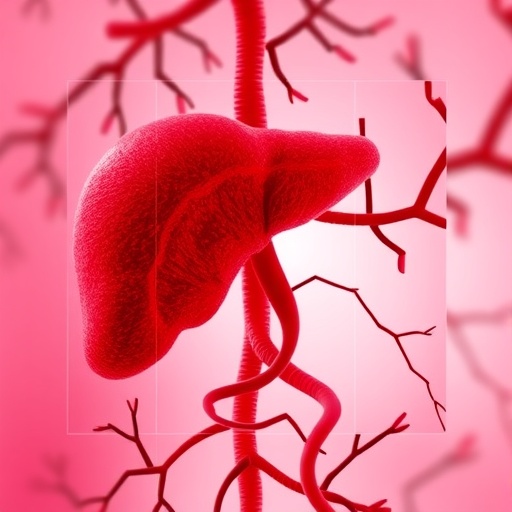
As individuals infected with the human immunodeficiency virus (HIV) experience increased longevity, the landscape of health challenges associated with HIV has shifted dramatically. Notably, non-AIDS-related mortality has surged, with liver disease emerging as a leading cause of death in this population. The epidemiology of liver diseases is complex, encompassing a diverse range of conditions, including viral hepatitis, metabolic dysfunction-associated steatotic liver disease (MASLD), and liver cancer. This evolutionary shift necessitates a detailed examination of the multifactorial landscape of liver disease among people living with HIV.
Recent findings highlight a concerning rise in various liver diseases, driven by factors that go beyond traditional viral infections. The complexities of HIV infection can exacerbate liver conditions, making it critical to address the interplay of these diseases. Many individuals with HIV co-infected with hepatitis B or C virus are at a heightened risk for liver-related complications. This study underscores the urgent need for systematic screening and management strategies to mitigate liver disease burden in this population.
Viral hepatitis remains a significant concern, particularly hepatitis C virus (HCV) infection. Antiretroviral therapies have revolutionized HIV treatment; however, the impact of these therapies on hepatic health is nuanced. Direct-acting antivirals have transformed HCV treatment outcomes, leading to high rates of sustained viral response. Despite these advancements, barriers to screening and treatment for viral hepatitis persist, from access to healthcare to healthcare provider awareness, particularly in individuals already managing complex HIV-related health issues.
The burden of metabolic dysfunction-associated steatotic liver disease is gaining traction in HIV-infected populations. As antiretroviral therapy improves longevity in individuals with HIV, the prevalence of metabolic syndromes has surged, raising the profile of non-viral-related hepatic conditions. Factors such as obesity, insulin resistance, and dyslipidemia pose significant risks for liver health, requiring comprehensive management strategies that address both HIV and co-existing metabolic issues.
An emerging concern within this cohort is metabolic dysfunction-associated steatohepatitis (MASH), a progressive liver disease characterized by inflammation and fibrosis. Several HIV-specific factors contribute to this condition, including immune activation, viral load, and the intricacies of antiretroviral therapy. Understanding the mechanisms behind this disease progression is vital for developing effective interventions tailored to the unique challenges faced by persons living with HIV.
The relationship between liver disease and HIV is further complicated by the roles of additional comorbidities, such as substance use disorder and chronic kidney disease. These factors can both exacerbate and be exacerbated by liver conditions, leading to a vicious cycle of declining health. Comprehensive care must navigate these overlapping health issues to provide effective treatment plans that account for the multifactorial nature of each individual’s health status.
The influence of socioeconomic factors cannot be overlooked in the discussion surrounding liver disease in HIV-positive individuals. Disparities in healthcare access, education, and societal stigma can impact treatment outcomes and disease progression. Tailoring public health approaches to address these barriers is crucial for improving overall liver health and reducing mortality associated with liver disease among people living with HIV.
Research on molecular mechanisms driving hepatic inflammation and fibrosis in the context of HIV is ongoing. Understanding these pathways could inform more targeted therapeutic interventions. The interplay of the HIV virus with liver-specific microenvironments, immune responses, and fibrotic processes offers rich terrain for scientific exploration, with the potential to unravel critical interventions that might alter the course of liver disease in this population.
Public health initiatives must also consider the importance of education and awareness in combating liver disease. Enhanced training for healthcare providers on the intricacies of managing liver disease in HIV-positive patients can lead to earlier diagnosis and treatment interventions. Awareness campaigns targeting those at-risk populations are essential for increasing understanding of liver health and promoting regular screening.
As healthcare practitioners and researchers collaborate to address the growing liver disease burden in the context of HIV, prioritizing patient-centered care remains fundamental. Integrating multidisciplinary approaches and fostering partnerships among specialists in infectious diseases, hepatology, and metabolic health can improve outcomes for patients with co-existing conditions. Such collaborative strategies can facilitate comprehensive care that encompasses the various aspects of health affected by these intersecting diseases.
In conclusion, the interplay of HIV and liver disease presents a complex challenge that requires attention and action at multiple levels. As this evolving landscape continues to develop, ongoing research, improved screening, and innovations in treatment remain pivotal in mitigating the rising tide of liver disease in people living with HIV. Future advancements in healthcare delivery must strive to provide holistic care that recognizes the intricate relationship between HIV and liver health in order to improve long-term outcomes for this population.
Subject of Research: Liver disease in people living with HIV infection.
Article Title: Liver disease in people living with HIV infection: a changing landscape.
Article References:
Lee, F., Bansal, M.B. Liver disease in people living with HIV infection: a changing landscape.
Nat Rev Gastroenterol Hepatol (2025). https://doi.org/10.1038/s41575-025-01149-6
Image Credits: AI Generated
DOI: 10.1038/s41575-025-01149-6
Keywords: HIV, liver disease, hepatic inflammation, hepatitis, metabolic dysfunction, antiretroviral therapy, comorbidities, public health.
Tags: antiretroviral therapy and liver healthcomplexities of liver disease in HIVevolving health challenges in HIV carehepatitis C virus managementHIV and liver diseaseliver cancer in HIV patientsmetabolic dysfunction-associated liver diseasenon-AIDS-related mortality in HIVpublic health implications of HIV liver diseasescreening strategies for liver diseasesystemic approaches to HIV-related liver conditionsviral hepatitis and HIV co-infection