A recent study published in J Transl Med has brought to light a groundbreaking finding in the realm of hepatocellular carcinoma (HCC), a type of liver cancer that has been notoriously difficult to diagnose and treat effectively. The authors, Zhu, Wang, and Cao, alongside their research team, have focused on a previously unexplored aspect of tumor biology: the vessels that encapsulate tumor clusters. This innovative perspective not only offers insights into the metastatic pathways of HCC but also opens up potential diagnostic and therapeutic avenues that could significantly alter patient outcomes.
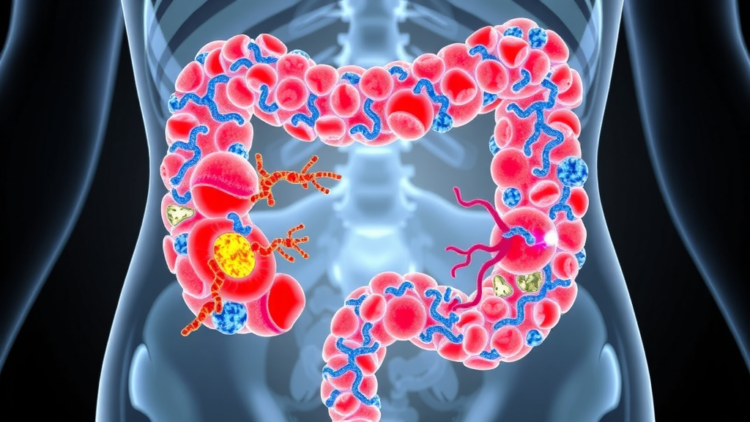
The primary focus of this research is to detail how these specialized blood vessels play a crucial role in the proliferation and metastatic tendencies of HCC. Traditionally viewed as merely conduits for nutrient and oxygen delivery to tumors, these vessels have been shown to facilitate a distinct metastatic strategy that allows tumor cells to spread more efficiently within the liver and beyond. This finding challenges existing paradigms about the behavior of cancer cells and suggests a more complex interplay between tumor biology and vascular structures.
Research conducted on various tissue samples obtained from liver cancer patients has uncovered that these encapsulating vessels are not only structural features but also dynamic participants in the cancer progression process. By analyzing these vessels under high-resolution imaging techniques, the researchers documented detailed interactions between tumor cells and vascular endothelium. Such interactions appear to be pivotal for the survival and expansion of tumor clusters, making them key players in the disease’s aggressive nature.
Moreover, the study identifies specific biomarkers associated with these tumor-encapsulating vessels. This revelation is particularly significant, as it lays the groundwork for developing novel diagnostic tools that could enhance early detection of metastatic liver cancers. Early diagnosis is paramount in improving treatment efficacy and patient survival rates, and the researchers’ findings suggest that these vessels could serve as reliable indicators of the presence and progression of HCC.
In addition to its implications for diagnosis, the research also highlights potential therapeutic strategies targeting these vessels. The study posits that disrupting the function of the vessels encapsulating tumor clusters could attenuate the metastatic spread of HCC. This approach could stand alongside traditional treatments such as chemotherapy and targeted therapy, providing a multi-faceted strategy to combat one of the deadliest forms of cancer.
One of the critical aspects of the research includes the mapping of the metabolic pathways involved in the interaction between tumor cells and the encapsulating vessels. The data suggest that these vessels provide not only support but also exchange metabolic signals that enhance tumor viability. Understanding these pathways could lead to the development of targeted therapies that disrupt these interactions, effectively starving the tumor of necessary resources.
Additionally, the presence of immune cells within these vascular structures raises questions about the role of the tumor microenvironment in cancer progression. The study discusses how immune evasion is facilitated by these encapsulating vessels, which may assist tumors in sidestepping the body’s natural defenses. This interaction underscores the need for immunotherapies designed to counteract this advantage, presenting another promising avenue for future research.
The implications of these findings extend beyond hepatocellular carcinoma alone. By establishing a framework for understanding vascular involvement in tumor clustering, the research opens the door to similar studies across different cancer types. The interactions between tumor cells and their vascular neighbors may indeed share commonalities, suggesting that the strategies developed from this research could be adapted to a variety of malignancies.
This groundbreaking work emphasizes the undeniable importance of the tumor microenvironment and the vascular structures within it. The encapsulating vessels’ unique properties and capabilities have not only unveiled new pathways for cancer metastasis but have also initiated discussions surrounding the potential for precision medicine tailored to target these features specifically. The researchers argue that future studies should aim to further elucidate the molecular mechanisms underpinning these interactions, which could enrich our understanding and response to cancer.
As the scientific community contemplates the therapeutic implications of these findings, there is also a call for larger-scale studies to validate these results. The researchers recognize that, while their findings are compelling, replicating these results across diverse patient populations will be crucial to moving from bench to bedside. Such scalability will help ensure that new diagnostic methods and treatment regimens can be broadly applied, ultimately benefiting a larger patient cohort.
Furthermore, the challenges associated with bringing such innovations to clinical practice are paramount. Regulatory approvals, funding for clinical trials, and the translation of laboratory findings into real-world applications will necessitate cooperation and collaboration among researchers, clinicians, and policymakers. The path may be fraught with obstacles, yet the potential rewards for early detection and personalized treatment for HCC patients inspire optimism within the scientific community.
In summary, Zhu, Wang, and Cao’s research signifies a notable advancement in our understanding of hepatocellular carcinoma. By shedding light on the critical role of vessels encapsulating tumor clusters, this study not only challenges established views of cancer metastasis but also lays the groundwork for new diagnostic and therapeutic strategies. As the journey from discovery to application unfolds, the hope is that these findings will translate into tangible benefits for patients facing this formidable disease.
With this novel approach to understanding HCC, the research team has undoubtedly set the stage for a paradigm shift in how we detect and treat liver cancer. Their innovative insights into tumor-vasculature interactions represent a significant leap forward in the relentless pursuit of more effective cancer therapies.
As discussions surrounding these important findings unfold, the focus will be on collaboration and innovation to harness this knowledge for the wider benefit of patients globally. The promise that future research holds represents a beacon of hope not only for hepatocellular carcinoma patients but potentially for many others battling cancer.
Subject of Research: Hepatocellular carcinoma, tumor-encapsulating vessels, metastatic pathways.
Article Title: Vessels encapsulating tumor clusters in hepatocellular carcinoma: a distinct metastatic pathway with diagnostic and therapeutic significance.
Article References:
Zhu, Y., Wang, M., Cao, J. et al. Vessels encapsulating tumor clusters in hepatocellular carcinoma: a distinct metastatic pathway with diagnostic and therapeutic significance. J Transl Med (2026). https://doi.org/10.1186/s12967-025-07354-w
Image Credits: AI Generated
DOI: 10.1186/s12967-025-07354-w
Keywords: hepatocellular carcinoma, tumor clusters, metastatic pathways, diagnostic significance, therapeutic approaches.