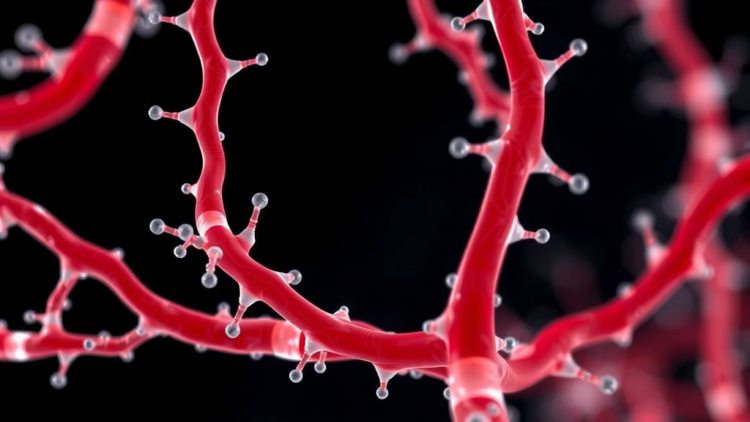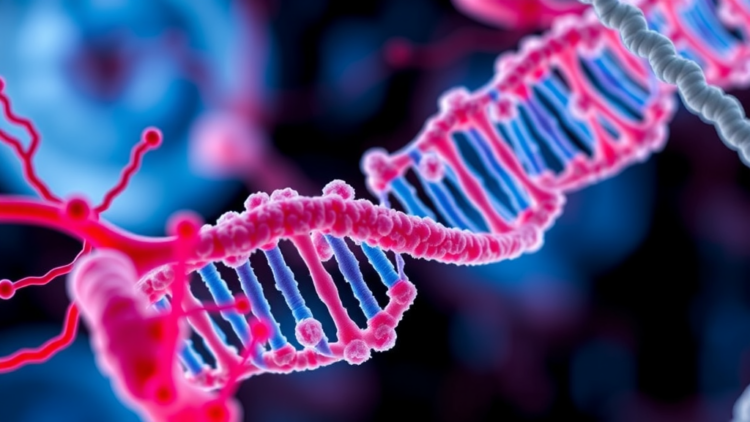
In recent times, the multifaceted roles of specific proteins in cell biology have captured the interest of researchers across the globe. One protein that has emerged as a key player in endothelial cell biology is Quaking, a member of the RNA-binding protein family. Present in various cell types, Quaking is emerging as a pivotal element in the dynamic landscape of blood vessel formation and maintenance, which is crucial for the overall health of tissues and organs. This newfound understanding stems from groundbreaking studies that delve into the complex interactions and functional attributes of Quaking, indicating its integral role in health and disease.
Endothelial cells, which line the interior surface of blood vessels, play a critical role in vascular biology, influencing processes such as inflammation, coagulation, and angiogenesis. Quaking is known to modulate various signaling pathways that govern endothelial cell functions. Its significance extends beyond mere structural roles; it actively participates in the regulation of gene expression and cellular responses to environmental stimuli. Researchers have observed that variations in Quaking expression levels correspond with aberrations in endothelial cell behavior, potentially contributing to pathological conditions.
A pivotal area of focus concerning Quaking revolves around its involvement in angiogenesis, the process through which new blood vessels form from pre-existing ones. This is particularly important during embryonic development, wound healing, and in response to ischemic conditions. The latest research sheds light on how Quaking influences endothelial cell proliferation, migration, and survival during angiogenesis. By regulating the expression of downstream genes, Quaking accentuates the balance between pro-angiogenic and anti-angiogenic factors, suggesting that fine-tuned Quaking activity could determine the success or failure of new vessel formation.
Moreover, the dysregulation of Quaking has been linked to various diseases, including cancer. Tumors often hijack the angiogenic process to secure an adequate blood supply, thereby facilitating their growth and dissemination. In this context, understanding how Quaking modulates endothelial responses to tumor-secreted factors could illuminate new therapeutic avenues. For instance, targeting Quaking’s regulatory mechanisms might hinder the vascular architecture of tumors, potentially stifling their growth or improving the efficacy of chemotherapeutics that rely on optimal blood supply.
Studies have also unveiled the interactions between Quaking and other RNA-binding proteins, suggesting a complex network of regulatory mechanisms at play. These interactions may enhance or inhibit Quaking’s functions, allowing cells to respond rapidly to alterations in their microenvironment. This adaptability is crucial, as endothelial cells continually encounter varying blood flow and pressure conditions. Through sophisticated molecular choreography, Quaking and its partners ensure not only the maintenance of stable blood vessel structures but also their functional plasticity.
Furthermore, investigations into the post-translational modifications of Quaking have provided insight into its functional versatility. Phosphorylation, methylation, and other modifications can alter Quaking’s stability and activity, enabling cells to finely tune their responses. These modifications can be particularly relevant in pathological scenarios where altered signaling pathways dictate the fate of endothelial cells. Therefore, understanding the biochemical landscape governing Quaking’s functionality could be paramount in designing targeted interventions that promote healthy angiogenesis.
The research encompassing Quaking also highlights the importance of cross-talk between endothelial cells and surrounding tissues. Extracellular signals, such as those from pericytes and inflammatory cells, can profoundly influence Quaking expression and activity. This intercellular communication is vital not only for normal physiological processes but also for the progression of diseases where the endothelial barrier becomes compromised or dysfunctional. Such complexities underscore the need for a comprehensive approach to study the roles of Quaking within the broader context of tissue microenvironments.
Emerging technologies, such as CRISPR/Cas9 gene editing and single-cell RNA sequencing, are poised to revolutionize the exploration of Quaking’s multiple roles. These advancements allow for precise manipulation of Quaking expression levels and provide insights into the heterogeneity of endothelial cell populations. Understanding the diverse responses within these populations could refine therapeutic strategies aimed at modulating angiogenesis in various diseases, including cardiovascular ailments and cancer.
Moreover, the implications of Quaking research extend beyond the vascular field. Cardiovascular diseases remain a leading cause of mortality worldwide, and strategies to harness the power of angiogenesis could pave the way for innovative treatments. Enhancing Quaking function in endothelial cells might boost reparative angiogenesis after myocardial infarction or stroke, highlighting its potential utility in regenerative medicine.
Collaborative efforts across disciplines are essential to unravel the multifaceted roles of Quaking comprehensively. By bringing together molecular biologists, geneticists, pharmacologists, and clinicians, the scientific community can accelerate discoveries that bridge basic research and clinical applications. Such collaborative endeavors are likely to yield new insights into how Quaking can be manipulated safely to promote vascular health and combat disease.
In summary, the significance of Quaking in endothelial cell biology is becoming increasingly apparent. From regulating angiogenesis to modulating responses to external stimuli, its diverse roles present exciting research opportunities. As studies continue to elucidate the complex networks surrounding Quaking, the potential for transformative therapeutic strategies in treating vascular-related diseases becomes more promising. Researchers are committed to pushing the boundaries of knowledge, paving the way for future innovations that can capitalize on the properties of this remarkable protein.
The future looks bright for Quaking research, as our understanding of this protein expands. It is clear that Quaking is not merely a passive participant in endothelial cell biology; it is a dynamic regulator of crucial processes that maintain vascular integrity and functionality. Continued investigations will refine our grasp of its complex roles, illuminating paths toward novel interventions that could improve outcomes for patients suffering from a myriad of vascular diseases. With its diverse roles meticulously mapped, Quaking could very well hold the key to groundbreaking therapies that harness the body’s innate ability to heal itself.
Subject of Research: Diverse roles of Quaking in endothelial cell biology
Article Title: Diverse roles of quaking in endothelial cell biology
Article References: Edatt, L., Li, D., Dudley, A.C. et al. Diverse roles of quaking in endothelial cell biology. Angiogenesis 29, 4 (2026). https://doi.org/10.1007/s10456-025-10020-w
Image Credits: AI Generated
DOI: https://doi.org/10.1007/s10456-025-10020-w
Keywords: Quaking, endothelial cells, angiogenesis, vascular biology, RNA-binding proteins, disease mechanisms, cell signaling, therapeutic interventions.
Tags: endothelial cell responses to environmental stimuliendothelial cell signaling pathwaysendothelial cells in health and diseaseimpact of Quaking on gene expressionimportance of proteins in endothelial cell maintenanceQuaking and angiogenesis regulationQuaking expression in pathological conditionsQuaking protein in endothelial cell biologyQuaking’s multifunctional roles in cell biologyRNA-binding proteins in vascular healthrole of Quaking in blood vessel formationvascular biology research advancements