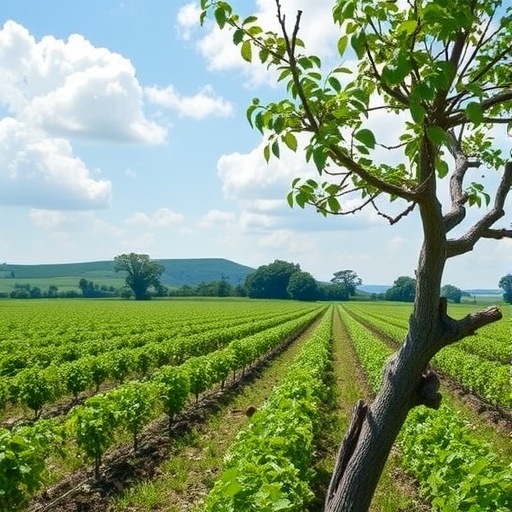
The transformation of food systems is a pressing issue in the face of climate change, population growth, and shifting consumer preferences. In a landmark study, researchers Kortleve, Mogollón, and Harwatt investigate the concept of “stranded assets” in European agriculture. This term typically refers to investments that have suffered from unanticipated or premature write-downs, and it holds significant implications as the agricultural landscape transforms in response to both ecological and economic pressures. Their findings provide a comprehensive analysis of how financial, social, and environmental factors coalesce in this context, raising questions not just about economics but also about food security and sustainability.
Understanding the concept of stranded assets is crucial for framing the future of European agriculture. As the agricultural sector seeks to adapt to the increasing demands of sustainability, traditional farming methods and investments made in infrastructure could become obsolete. These stranded assets may not only include land and machinery but could extend to broader economic dependencies that exist within farming communities. As policies shift towards sustainability, these assets are increasingly viewed as liabilities rather than investments, leading to financial instability for farmers and agricultural enterprises alike.
The study highlights specific examples from various European countries, showcasing the spectrum of potential stranded assets. For instance, in regions heavily reliant on monoculture, a shift to more diversified cropping systems could leave existing investment in conventional crops stranded. This scenario poses a multifaceted challenge—not only do farmers face the need to adapt their practices, but they must also confront the financial repercussions of unsustainable investments that no longer yield viable returns.
Moreover, the impact of shifting consumer behavior cannot be underestimated. As society grows more accustomed to demanding sustainable and ethically sourced products, traditional farming practices may lose market value. The study emphasizes that while the market becomes increasingly unfriendly to outdated agricultural methods, producers who continue to rely on these methods may find themselves with investments that are no longer profitable—an alarming reality that aligns with the notion of stranded assets.
In analyzing policy responses, the researchers argue for a proactive approach to prevent asset stranding. Policymakers must anticipate the agricultural shifts that are converging on Europe and design frameworks that support farmers in transitioning towards sustainable practices. This includes not just financial incentives but also educational programs that help farmers understand the benefits of adopting new technologies and diversified practices. The transition needs to be supported by well-structured public policies that facilitate innovation and sustainable growth, safeguarding farmers from the risk of stranded assets.
Additionally, environmental factors play a significant role in the analysis. European agriculture is increasingly pressured not only by consumer preferences but by the urgent need to combat climate change. The researchers note that many agricultural practices contribute to greenhouse gas emissions and detract from biodiversity, further complicating the landscape. Initiatives aimed at carbon sequestration and soil health are becoming imperative, yet existing agricultural investments may impede these changes. The challenge lies in reallocating resources toward innovative, nature-based solutions that do not merely mitigate the impact of climate change but reverse the damage already done.
Collaboration across sectors is also crucial to address the stranding of agricultural assets effectively. The research highlights the interconnectedness of various stakeholders, from farmers to policymakers to financial institutions. A collaborative approach can harness the expertise and resources of each sector, creating a comprehensive solution to the challenges ahead. Cross-sector partnerships can lead to the development of new financial instruments or funding opportunities that support farmers in their transition, ultimately reducing the risk of stranded assets.
In terms of economic outlook, the renewable investment landscape is reshaping how agriculture is viewed in financial terms. Investors are becoming increasingly mindful of the long-term viability of their investments. The shift towards sustainability entails not just understanding environmental metrics but also recognizing that financial models must evolve to mitigate risks associated with stranded assets. As such, investors who ignore these evolving dynamics may find their investments at risk, leading to broader economic repercussions in agriculture.
This research comes at a critical moment as European policymakers are also rethinking agricultural subsidies, traditionally focused on production levels. Moving forward, these policies must align with sustainability objectives and support farmers in embracing practices that are not merely production-focused but also environmentally sound. The shift requires a holistic understanding of agricultural sustainability, encompassing everything from soil health and biodiversity to economic viability and social equity.
Ultimately, the research presents an urgent call to action across Europe. With climate change and food security at stake, the transformation of agriculture cannot be left to chance. By understanding and mitigating the risks associated with stranded assets, stakeholders can better navigate the impending shifts in the agricultural landscape. As the study highlights, embracing innovation and sustainability is not just smart business; it is a necessity for the future of food security in Europe and beyond.
A thorough understanding of the findings outlined in this research is essential for all involved in the agricultural sector, including farmers, policy makers, and investors. The study serves as a crucial reminder that the future of agriculture will be determined not only by how we produce food but also by how we adapt our systems and practices in response to the changing realities of our world. Through collaborative efforts, informed policy, and innovative practices, the specter of stranded assets can be transformed into opportunities for sustainable growth.
Given the complex interconnectedness of agriculture, economics, and environmental sustainability, the research by Kortleve, Mogollón, and Harwatt sets a critical foundation for future studies and policy formulations. As Europe charts its path toward sustainable agriculture, the implications of their work will ripple across various sectors, ultimately influencing how we think about food systems in our modern world.
Subject of Research: Stranded assets in European agriculture during food system transformations.
Article Title: Stranded assets in European agriculture during food system transformations.
Article References:
Kortleve, A.J., Mogollón, J.M., Harwatt, H. et al. Stranded assets in European agriculture during food system transformations.
Nat Food (2026). https://doi.org/10.1038/s43016-025-01283-z
Image Credits: AI Generated
DOI: https://doi.org/10.1038/s43016-025-01283-z
Keywords: Stranded assets, European agriculture, food systems, sustainability, climate change, policy transformation.
Tags: adapting traditional farming methodsagricultural investment write-downsclimate change and agricultureecological pressures on farmingeconomic dependencies in agricultureEuropean agriculture transformationfinancial implications of stranded assetsfood security challenges in Europefood systems evolutionpolicy shifts towards sustainable agriculturestranded assets in farmingsustainability in agriculture