In the intricate world of immunology and gut health, glycans – a class of carbohydrates – emerge as vital players orchestrating a symphony of immune responses. These biomolecules are not merely structural components; they serve as critical modulators of both physiological and pathological processes in the human body. Their significance is particularly pronounced in inflammatory bowel diseases (IBD), a group of disorders that significantly impact the gastrointestinal system. Recent research illuminates the role of glycans in shaping immune tolerance and inflammation, shedding light on new therapeutic avenues for IBD management.
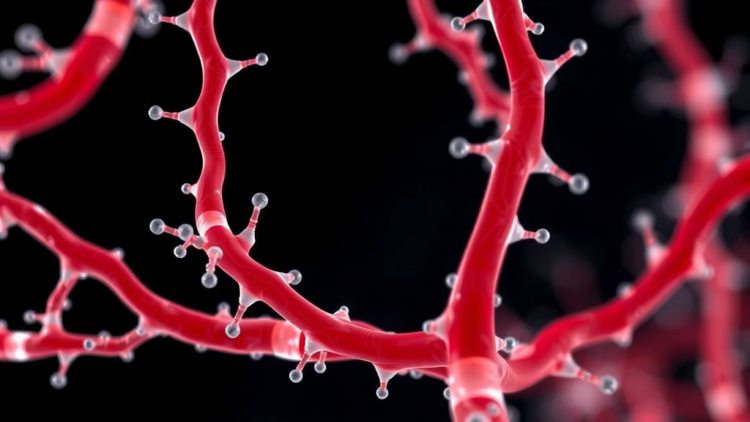
Glycans exist abundantly throughout the gut, covering its mucosal surface and forming a protective layer known as the glycocalyx. This layer is instrumental in maintaining epithelial barrier integrity, a crucial factor for preventing pathogens and toxins from entering the bloodstream. Importantly, the gut mucosa hosts an extensive collection of glycan structures that interact dynamically with various immune cells and microorganisms, facilitating complex communication between the host and its microbiota. This crosstalk is essential, as it informs the immune system about what is friend versus foe, dictating pro-inflammatory or anti-inflammatory responses.
The gut microbiota, a diverse community of microorganisms residing in the gastrointestinal tract, relies heavily on glycoconjugates for interaction with host cells. These glycans mediate various functions, from nutrient absorption to the modulation of immune responses. They can also influence the composition of the microbiota itself, leading to a delicate balance that upholds health. Disruptions in this balance have been linked to various conditions, including IBD, which affects millions worldwide. Understanding how glycans interact with both gut epithelial cells and microbiota provides critical insights into the pathogenesis of these diseases.
Current findings suggest that glycans are key drivers in the complex transition from a healthy gut to an inflamed state. For instance, certain glycan structures have been identified as potent modulators of immune cell activation, influencing the production of cytokines and the recruitment of immune cells to sites of inflammation. This interplay not only sheds light on the mechanisms underlying IBD but also highlights potential biomarkers that could be used for diagnosis and prognosis, offering a glimpse into the future of personalized medicine in gastrointestinal diseases.
Research has shown that alterations in glycan expression can significantly impact disease trajectories. In IBD patients, the aberrant activity of glycan-binding proteins has been observed, which may lead to an exaggerated immune response and subsequent tissue damage. This reinforces the concept that glycans are not passive bystanders but active participants in disease development. Exploring these pathways offers promising opportunities to develop novel therapeutic strategies aimed at restoring glycan-normalized immune responses.
The concept of utilizing glycans for therapeutic interventions in IBD opens new avenues for healthcare innovation. By targeting specific glycan interactions, it might be possible to recalibrate immune responses, promoting tolerance rather than inflammation. Several experimental therapies are currently under investigation, focusing on the modulation of glycan-binding proteins to favor an anti-inflammatory milieu. Such research could revolutionize treatment protocols by offering mechanisms that better align with individual patient profiles.
Moreover, the clinical utility of glycans extends beyond their roles in immune modulation. They hold significant potential as serological biomarkers for monitoring disease progression and treatment response in IBD. By analyzing the glycomic signatures in patient samples, clinicians could gain invaluable insights into disease activity and therapeutic efficacy, leading to more informed and timely clinical decision-making. This shift from traditional diagnostic markers to glycan-based assessments represents a transformative step in IBD management.
As researchers delve deeper into the intricacies of mucosal glycans, several challenges arise. The complexity of glycan structures, the variability among individuals, and the interplay with a myriad of factors such as diet, genetics, and microbiota dynamics pose hurdles in translating these findings into clinical practice. Future research must focus on standardizing glycan profiling techniques and elucidating the mechanisms by which these molecules exert their effects on the immune system. This collaborative effort between immunologists, microbiologists, and clinical researchers is essential for unlocking the full potential of glycans as therapeutic tools.
Additionally, understanding how environmental factors influence glycan expression could provide insights into preventive strategies for IBD. Lifestyle factors such as diet, stress, and antibiotic use can modulate the glycomic landscape, impacting the health of the gut and the immune response. Building a comprehensive understanding of these influences could enable the development of dietary interventions that foster a resilient gut environment, potentially reducing the incidence of IBD in at-risk populations.
In conclusion, the multifaceted roles of mucosal glycans in the immune system underscore their importance in the context of IBD and gastrointestinal health. As research continues to unravel the complexities of these carbohydrates, it is becoming increasingly clear that they represent not just passive entities but active orchestrators of immune responses. The potential for glycan-targeted therapies and biomarkers offers exciting prospects that could significantly enhance our ability to predict, prevent, and treat IBD. This exploration of the glycocalyx as a frontier in immunological research epitomizes the drive towards more effective and personalized approaches to managing chronic inflammatory diseases.
As we look to the future, the field stands on the cusp of significant breakthroughs, with glycans at the heart of ongoing efforts to revolutionize how we understand and treat inflammatory conditions. Only time will reveal the full impact of these discoveries, but the promise of glycans as key modulators in the interplay between health and disease serves as a compelling testament to the complexity and elegance of biological systems.
Subject of Research: The role of glycans in inflammatory bowel disease and their potential as therapeutic targets.
Article Title: Mucosal Glycans: Key Drivers of the Development of Inflammatory Bowel Disease and a Potential New Therapeutic Target.
Article References:
Pinho, S.S., Torres, J. & Colombel, JF. Mucosal glycans: key drivers of the development of inflammatory bowel disease and a potential new therapeutic target.
Nat Rev Gastroenterol Hepatol (2026). https://doi.org/10.1038/s41575-025-01164-7
Image Credits: AI Generated
DOI: https://doi.org/10.1038/s41575-025-01164-7
Keywords: Glycans, inflammatory bowel disease, immune modulation, gut microbiota, biomedical research, therapeutic targets, mucosal immunity.
Tags: carbohydrates in immunologygastrointestinal health and glycansglycan structures in gut healthglycans and pathogen preventionglycocalyx and epithelial barrier integritygut microbiota and glycoconjugateshost-microbe interactions in the gutimmune tolerance and inflammation in IBDinflammatory bowel disease researchmucosal glycans in inflammatory bowel diseaserole of glycans in immune responsetherapeutic avenues for IBD management