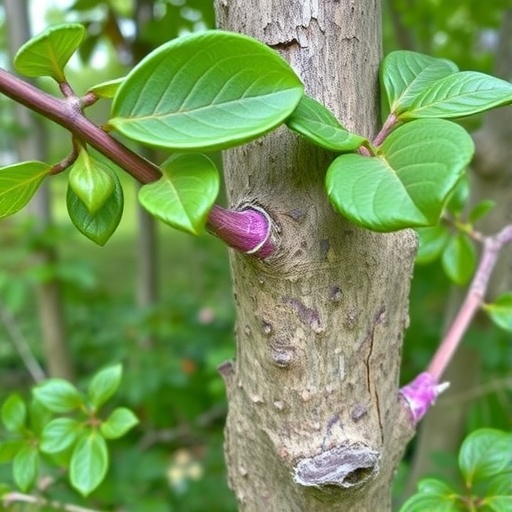
In the quest for novel therapeutic agents derived from natural products, the study of plant extracts has gained remarkable attention in recent years. Recent research led by C.O. Joseph, published in BMC Complementary Medicine and Therapies, reveals promising findings related to the phytochemical profiling and bioactivity assessment of the ethanol extract from the bark of Lannea schimperi. This tree, commonly found in various regions of Africa, harbours an array of phytoconstituents possessing potential health benefits. In light of increasing resistance to synthetic drugs, the therapeutic potential of these natural compounds presents an interesting avenue worth exploring.
Phytochemicals, the bioactive compounds found in plants, have been linked to a plethora of health benefits including antioxidant, antiradical, and antimicrobial properties. Joseph’s comprehensive study meticulously analyzed the phytochemical constituents of Lannea schimperi bark, unveiling a rich profile of important compounds such as flavonoids, tannins, saponins, and alkaloids. Understanding the types and quantities of these phytochemicals is crucial for their subsequent bioactivity assessment, as different compounds may have distinct effects on human health.
The antioxidant activity of a substance is vital for counteracting oxidative stress, a condition prevalent in numerous diseases, including cancer, diabetes, and cardiovascular disorders. Joseph’s research highlights the high antioxidative potential of the ethanol extract of Lannea schimperi bark, suggesting that it could play a significant role in promoting health and preventing disease. The antioxidant capacity was measured using various assays, including DPPH (1,1-diphenyl-2-picrylhydrazyl) and ABTS (2,2′-azinobis(3-ethylbenzothiazoline-6-sulfonate)), both of which are standard methods for assessing the scavenging ability of bioactive compounds against free radicals.
In addition to its antioxidant properties, this study put forth compelling evidence regarding the antiradical capacities of the ethanol extract. Free radicals, which are unstable molecules, are notorious for initiating cellular damage that can lead to aging and chronic diseases. By characterizing the antiradical properties of Lannea schimperi, Joseph’s work illustrates how the bark extract may inhibit the formation of harmful radicals, thereby potentially reducing the risk of oxidative stress-related ailments.
Antimicrobial activity was another significant focus of this research. Infectious diseases remain a pressing global health challenge, with many pathogens developing resistance against conventional antibiotics. Joseph’s investigation included the evaluation of the extract’s efficacy against a spectrum of bacterial strains, including both gram-positive and gram-negative organisms. The results indicated that Lannea schimperi bark extract exhibited substantial antibacterial properties, highlighting its potential as a natural antimicrobial agent in combating infections.
As the study unfolds, it presents an opportunity to tap into traditional knowledge of herbal medicine and integrate it with scientific research. Ethnobotanical insights often reveal the uses of plants in indigenous cultures, and findings such as those from Joseph’s work can strengthen the call for more systematic exploration of these resources. When prudently researched and validated through scientific methods, these natural products could lead to the formulation of effective herbal medicines, thus bridging the gap between traditional healing and modern pharmacology.
Joseph’s research adopts a systematic and detailed approach, capturing various methodologies to extract and analyze the phytochemical constituents. By utilizing techniques such as High-Performance Liquid Chromatography (HPLC), the study was able to precisely quantify individual compounds, thus providing a more profound understanding of the extract’s characteristics. This level of analysis is pivotal for establishing a foundation of knowledge that other researchers can build upon, ensuring that future studies can replicate and expand upon these findings.
The implications of this work resonate beyond just academic interest; they suggest practical applications that could benefit marginalized communities that rely on natural resources for their health care needs. As many African populations continue to utilize local plants for medicinal purposes, validation of their efficacy through scientific research could empower these communities, promoting sustainable practices and preserving traditional knowledge while enhancing public health.
The contributions of this study are particularly timely considering the rising trend of integrative medicine, which combines traditional and modern healing practices. By substantiating the health benefits of Lannea schimperi, this research could pave the way for its inclusion in complementary therapy regimens, offering patients alternatives to synthetic pharmaceuticals. This can lead to more personalized and holistic health care approaches, aligning with the growing demand for natural and organic treatments.
Moreover, Joseph’s findings may also stimulate further research into the potential synergistic effects of combining various plant extracts. The exploration of multi-ingredient formulations that harness the bioactive compounds of several plants could unlock new therapeutic possibilities, potentially leading to more potent and safer treatments.
In summary, the phytochemical profiling and bioactivity assessment of the ethanol extract from Lannea schimperi bark underscore the significance of exploring natural products in the search for innovative health solutions. The antioxidant, antiradical, and antimicrobial potentials highlighted in Joseph’s work present a compelling case for the continued research into this and other underutilized plants. As we delve deeper into the complexities of plant biochemistry, it becomes increasingly clear that the answers to many health-related questions lie in our natural world, waiting to be uncovered.
The research conducted by C.O. Joseph serves as a reminder of the valuable resources at our disposal and the importance of preserving biodiversity as we strive to innovate new therapies. As we glean insight from traditional practices coupled with modern science, we can pave the way for a healthier future that respects the knowledge of past generations while addressing the challenges of tomorrow.
Subject of Research: Phytochemical profiling and bioactivity of Lannea schimperi bark.
Article Title: Phytochemical profiling and bioactivity assessment of the ethanol extract of Lannea schimperi bark: antioxidant, antiradical, and antimicrobial potentials.
Article References:
Joseph, C.O. Phytochemical profiling and bioactivity assessment of the ethanol extract of Lannea schimperi bark: antioxidant, antiradical, and antimicrobial potentials.
BMC Complement Med Ther (2026). https://doi.org/10.1186/s12906-025-05219-9
Image Credits: AI Generated
DOI: 10.1186/s12906-025-05219-9
Keywords: Phytochemicals, antioxidant, antiradical, antimicrobial, Lannea schimperi, herbal medicine, natural products.
Tags: antimicrobial effects of plant extractsantioxidant properties of Lannea schimperibioactive compounds in plantsBMC Complementary Medicine research findingsethnobotanical uses of Lannea schimperiflavonoids and tannins health benefitsLannea schimperi health benefitsnatural remedies for disease preventionnatural therapeutic agentsoxidative stress and healthphytochemical profiling of Lannea schimperiresistance to synthetic drugs