In a significant advancement for cancer diagnostics, a team of researchers led by Ball, Beck, Wlochowitz, and their colleagues have published a groundbreaking study on the use of diagnostic whole transcriptome sequencing in a robust cohort of solid tumor samples. This research, appearing in the British Journal of Cancer, signifies a pivotal step toward understanding the molecular underpinnings of various cancers through comprehensive genomic analysis.
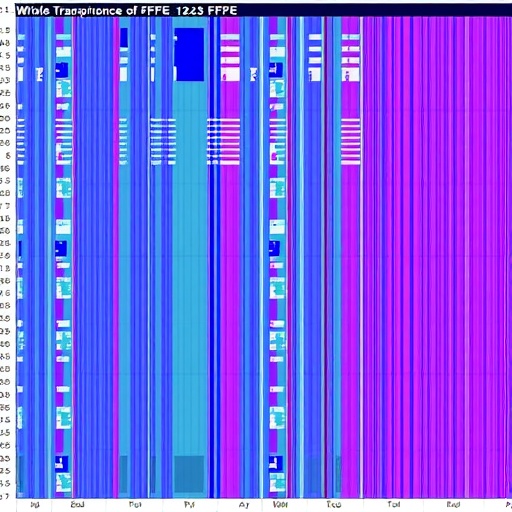
The cornerstone of this innovative study is the examination of 1233 formalin-fixed, paraffin-embedded (FFPE) solid tumor samples. These samples represent a diverse array of cancers, enabling the researchers to explore the intricacies of each tumor’s gene expression profile. By leveraging whole transcriptome sequencing, which captures the complete RNA content of each sample, the research team was able to uncover a wealth of information that traditional sequencing methods often miss.
Whole transcriptome sequencing, often abbreviated as WTS, stands out due to its ability to provide a holistic view of the transcriptional landscape. This method detects not only the expressed genes but also the alternative splicing events and non-coding RNAs that play critical roles in various biological processes. Given the complexities of cancer, where gene expression can dramatically differ based on tumor type and stage, utilizing WTS offers unparalleled insights into patient-specific tumor biology.
One of the key challenges in cancer genomics is the degradation of RNA in FFPE samples, a common preservative technique used in clinical settings. The team implemented innovative protocols to optimize RNA retrieval and sequencing, ensuring that the data generated was both accurate and reliable. This meticulous approach to sample preparation highlights the importance of technical precision in genomic studies, particularly when dealing with archived specimens that have inherent degradation factors.
As the study unfolds, the implications of the findings extend beyond mere academic interest. The detailed gene expression analyses allow for improved classification of tumor subtypes and may enhance prognostic predictions. By correlating specific gene expression profiles with clinical outcomes, the researchers have paved the way for a more personalized approach to cancer therapy. This stratification could lead to tailored treatment plans that align with the unique molecular characteristics of each patient’s tumor.
Moreover, this research serves to enhance our understanding of the tumor microenvironment. The interplay between cancer cells and their surrounding stromal and immune cells plays a crucial role in tumor progression and response to therapy. With WTS, the researchers can elucidate the dynamics of these cellular interactions at a molecular level, potentially identifying new therapeutic targets and biomarkers. Such discoveries are vital in the ongoing battle against cancer, where understanding the tumor ecosystem can be as important as targeting the cancer cells themselves.
In addition to its immediate clinical applications, the study’s findings contribute to the larger narrative of cancer research. They underscore a shift towards integrating transcriptomic data with other forms of genomic and proteomic information, fostering a more comprehensive understanding of cancer pathology. This multidimensional approach could herald a new era of cancer research, where therapies are not only aimed at eradicating tumors but are also informed by a deeper understanding of individual tumor biology.
The reception of the study’s findings is likely to resonate through the scientific community, inspiring further research that builds on these insights. The ability to analyze such a large cohort of solid tumor samples with advanced sequencing technology may catalyze new collaborations and studies, ultimately enriching the field of oncology and providing new hope for patients.
Furthermore, the implications of whole transcriptome sequencing extend beyond diagnostics; they also hold potential in the realm of therapeutic development. By understanding the genetic and epigenetic drivers of tumorigenesis, pharmaceutical companies may be able to design novel therapies that specifically target the unique vulnerabilities of different tumors. This represents a significant shift from the traditional one-size-fits-all approach to a more nuanced strategy in cancer treatment.
Ethical considerations surrounding genomic data will also be paramount in the aftermath of this research. As genomic sequencing becomes more embedded in clinical practice, issues related to patient consent, data privacy, and the implications of genetic information must be addressed. The study offers an opportunity to engage in these discussions, shaping the policies that govern genomic medicine in the future.
The overarching message of this research is one of optimism and potential. While the path to a complete understanding of cancer is fraught with challenges, the advancements brought forth by the integration of whole transcriptome sequencing into diagnostic pathways demonstrate considerable promise. The ability to obtain comprehensive transcriptomic data from FFPE samples marks a crucial leap forward in realizing the goal of precise, individualized cancer care.
As the implications of this study unfold in clinical settings, the anticipation surrounding its practical applications will likely build. Clinicians and researchers alike are eagerly awaiting further insights that can enhance current modalities of cancer treatment. The convergence of novel technologies and rigorous scientific inquiry stands poised to transform our approach to cancer, illustrating the enduring power of research in unlocking the mysteries of this complex disease.
Thus, the publication of this research does not merely contribute to the literature; it catalyzes a movement towards innovation and discovery in cancer diagnostics and therapeutics. Through a combination of advanced technologies, meticulous methodologies, and a keen focus on patient outcomes, the research team has set the stage for a brighter future in oncology.
Given the urgency of tackling global cancer burdens, this study represents a timely and essential contribution to the fight against cancer. It is a vivid reminder of the potential that lies in genomic medicine to redefine how we understand, diagnose, and ultimately treat one of humanity’s most challenging health issues.
In conclusion, as we stand on the brink of new frontiers in cancer research, the insights gleaned from this study amplify a growing recognition of the power of whole transcriptome sequencing. The landscape of cancer diagnostics and treatment is evolving, and this work serves as a crucial landmark on that journey. It exemplifies the intersection of science and clinical practice, calling for an era where personalized medicine becomes the standard, ultimately leading to improved outcomes for cancer patients worldwide.
Subject of Research: Diagnostic whole transcriptome sequencing in solid tumors
Article Title: Diagnostic whole transcriptome sequencing in a series of 1233 FFPE solid tumor samples
Article References:
Ball, M., Beck, S., Wlochowitz, D. et al. Diagnostic whole transcriptome sequencing in a series of 1233 FFPE solid tumor samples.
Br J Cancer (2026). https://doi.org/10.1038/s41416-025-03307-8
Image Credits: AI Generated
DOI: 10.1038/s41416-025-03307-8
Keywords: whole transcriptome sequencing, cancer diagnostics, personalized medicine, FFPE samples, gene expression analysis.
Tags: alternative splicing eventscancer diagnostics advancementscancer research breakthroughscomprehensive genomic analysisFFPE tumor samplesgene expression profiles in tumorsmolecular underpinnings of cancernon-coding RNAs in cancersolid tumor sample analysistraditional sequencing methods limitationstranscriptional landscape in cancerwhole transcriptome sequencing