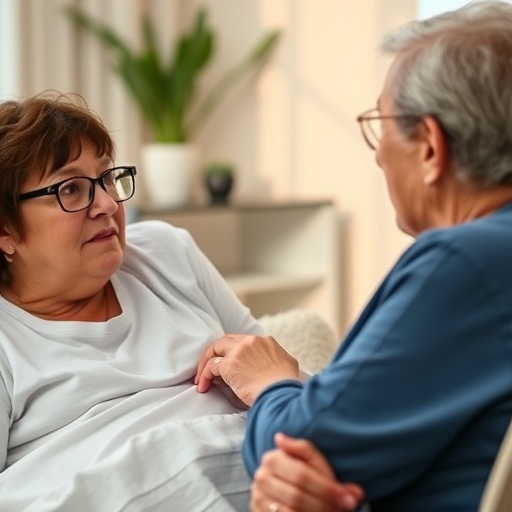
In the dynamic setting of emergency departments (EDs), a new conversation is emerging about the importance of recognizing frailty among patients who seek immediate care. An exploratory qualitative study led by Hörlin, Ekermo, Wilhelms, and their colleagues sheds light on this critical issue, highlighting the voices of patients themselves in understanding their experiences with frailty screening. This research, published in BMC Geriatrics, reveals significant insights into patient perceptions and the complexities involved in assessing frailty in acute settings, ultimately striving for a more compassionate and effective approach to healthcare.
As many healthcare systems grapple with the growing number of elderly patients presenting to emergency departments, understanding frailty becomes essential. Frailty, characterized by decreased physiological reserve and increased vulnerability to stressors, can profoundly impact how patients respond to illness and treatment. The study underscores that without proper recognition and assessment of this condition, patients may not receive the tailored interventions they critically need. In an ED crowded with patients requiring immediate attention, healthcare providers often face the challenge of quickly identifying frailty, which can be nuanced and invisible.
In this context, the research team sought to amplify the experiences of patients undergoing frailty screening in the ED. The study utilized qualitative methodologies, gathering rich narratives from individuals who participated in frailty assessments. By doing so, the researchers aimed to uncover the range of emotions and thoughts that accompany such screenings, from anxiety and fear to relief and empowerment. These findings may help healthcare workers understand patient perspectives, thus fostering more empathetic interactions.
Initial conversations with patients revealed a degree of ambivalence towards frailty assessments. Some expressed concerns about being labeled as frail, equating the term with weakness or impending decline. However, others viewed the screening as a form of validation, recognizing their complex health status and the need for additional support. This dichotomy highlights a broader societal stigma surrounding frailty; mitigating such fears is critical in encouraging open discussions about health and wellness.
Furthermore, the study found that the physical environment of the ED significantly impacts patients’ experiences during frailty screening. The hustle and bustle, combined with medical jargon, can create an intimidating atmosphere, detracting from a patient’s ability to fully engage in the process. By advocating for a more patient-centered approach that respects individual narratives and emotions, healthcare practitioners can enhance the screening experience, thereby fostering a sense of safety and understanding.
While conducting interviews, researchers also noted the importance of timing in these screenings. Many patients felt overwhelmed by the nature of their medical emergencies, often wanting to focus on immediate concerns rather than reflecting on broader health issues like frailty. This observation points to a potential need for healthcare providers to find the delicate balance between immediate medical needs and comprehensive assessments of patients’ overall health, especially in acute settings where frailty may otherwise go unnoticed.
Moreover, the study emphasizes the necessity of ongoing education for both patients and healthcare providers about frailty. The more informed patients are about the existence and implications of frailty, the better they can engage in conversations about their health. Education should extend to healthcare professionals as well, ensuring they have the necessary tools and knowledge to perform effective and sensitive frailty assessments. An informed approach on both sides can facilitate mutual understanding, thereby improving the efficacy of screenings.
Building on these findings, advocates for changes in policy and practice are calling for the incorporation of frailty screening as a standard practice in emergency departments. Implementing systematic screening protocols could not only aid in identifying individuals at risk but also facilitate referrals to appropriate services and interventions that improve quality of life and health outcomes. The integration of this practice can cultivate a more comprehensive care model that aligns with the complex needs of aging populations.
The conversation surrounding frailty also opens up avenues for research into the most effective ways to approach this vulnerable group. Development of tools that simplify the screening process, while being sensitive to patient experiences, can encourage more widespread adoption among healthcare providers. Furthermore, longitudinal studies could track the implications of early frailty assessment on patient outcomes, informing evidence-based best practices in emergency settings.
Ultimately, the work spearheaded by Hörlin and colleagues showcases the critical importance of patient voices in shaping healthcare practices around frailty. Recognizing that patients are not merely recipients of medical assessments but active participants in their healthcare journey is essential for fostering a supportive environment. This shift in perception can promote better health outcomes, not only for frail patients but for the broader community navigating the complexities of aging and chronic health issues.
The revelations from this study catalyze a broader discussion about frailty in emergency care, pushing the boundaries of traditional healthcare paradigms. As more researchers and practitioners engage with these findings, the hope is that frailty screening will evolve from an overlooked aspect of care into a fundamental component of emergency medicine. Establishing this foundation requires collaboration among healthcare professionals, researchers, and patients alike, laying the groundwork for future advancements in aging healthcare.
As we navigate through an era defined by an aging global population, taking proactive steps towards addressing frailty will resonate far beyond the walls of emergency departments. The insights garnered from this qualitative study serve as a vital reminder that every patient’s experience informs our understanding of health and care, challenging us to rethink how we approach frailty at multiple levels of healthcare.
The urgent need to adapt emergency care to meet the nuanced needs of an aging population is clear. This study stands as an important contribution to the ongoing dialogue about the experiences of older patients in emergency settings. It calls upon healthcare systems worldwide to prioritize frailty, ensuring that patients receive the compassionate, informed, and holistic care they deserve.
Through continuous exploration and integration of patient perspectives, the future of frailty screening in emergency departments can evolve, aiming for a healthcare system that empathically understands and responds to the complexities of patient lives. By embedding these principles into practice, we can work toward a healthcare landscape that prioritizes well-being and empowers patients to take control of their health narratives.
In conclusion, the work is a call to action, emphasizing that addressing frailty is not just a medical necessity; it is a moral imperative in the care of our aging populace. By valuing patient voices and experiences, we can create a more responsive and effective healthcare system for all.
Subject of Research: Frailty screening in emergency departments and patient perspectives.
Article Title: Being screened for frailty in the emergency department: the voice of patients in an exploratory qualitative study.
Article References:
Hörlin, E., Ekermo, D., Wilhelms, D. et al. Being screened for frailty in the emergency department: the voice of patients in an exploratory qualitative study.
BMC Geriatr (2026). https://doi.org/10.1186/s12877-026-06990-1
Image Credits: AI Generated
DOI:
Keywords: frailty, emergency department, patient perspectives, qualitative study, healthcare, aging.
Tags: compassionate healthcare for frail patientscomplexities of frailty recognition in EDsfrailty screening in emergency departmentshealthcare challenges in elderly patientsimportance of recognizing frailty in acute careinsights from BMC Geriatrics studypatient experiences with frailty assessmentpatient-centered approaches in emergency carequalitative study on frailty perceptiontailoring interventions for frail individualsunderstanding frailty in healthcare settingsvulnerabilities of elderly patients in emergencies