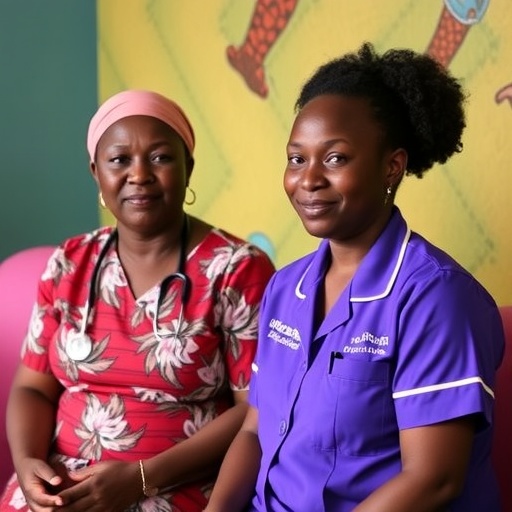
In a groundbreaking qualitative study, researchers Nsatimba, F., Sehularo, L., and Moagi, M. examine the intricate perceptions of nurses concerning the nursing care provided to patients with dual diagnoses in Ghana. This important research, slated for publication in 2026 in BMC Nursing, delves into the nuanced experiences and challenges faced by nursing professionals when treating individuals who grapple with both mental health and substance use disorders. As healthcare systems worldwide continue to evolve, understanding the unique perspectives of nurses becomes crucial in optimizing care for this vulnerable population.
The phenomenon of dual diagnosis presents an array of complexities that require thorough exploration, with nurses often being the frontline providers in managing these intertwined issues. The study uncovers the significant role nurses play, highlighting their experiences, opinions, and suggestions for improving care. This in-depth inquiry is essential as it sheds light on the systemic challenges that affect nurses’ ability to deliver optimal care, ultimately influencing patient outcomes in critical areas where mental health intersects with addiction.
Through qualitative interviews and focus group discussions across various healthcare settings in Ghana, the researchers gathered a wealth of information that reflects the nurses’ views. These discussions reveal not only the practitioners’ clinical insights but also the emotional and psychological toll that dual diagnosis cases impose on nursing staff. Many nurses reported feelings of frustration stemming from inadequate resources and insufficient support systems within the healthcare framework, which complicate their efforts to provide effective care.
One of the key findings from the study is the recognition that dual diagnosis patients often face stigma. Nurses indicated that this stigma extends beyond the patients themselves, affecting the healthcare providers as well. Many nurses expressed concern that societal perceptions can lead to discrimination against individuals seeking help, resulting in challenges to establishing an empathetic and supportive therapeutic alliance. This barrier is particularly poignant, as the effort to create a safe environment for patients is believed to be foundational for effective treatment.
Furthermore, the study highlights the necessity for better training and education focused specifically on dual diagnosis care. Nurses noted that existing training programs often overlook the complexities associated with dual diagnoses, leaving them ill-prepared to address the specific needs of these patients. Enhancing educational content and providing specialized training could equip nursing professionals with the skills necessary to navigate this challenging field more effectively.
In many instances, nurses indicated that interdisciplinary collaboration is essential for addressing the multifaceted needs of dual diagnosis patients. They emphasized the importance of effective communication among healthcare providers, mental health professionals, and addiction specialists to create comprehensive treatment plans that consider all aspects of a patient’s health. Such cooperation is fundamental to improving care coordination and ensuring that patients receive holistic treatment that addresses the interconnected nature of their conditions.
Additionally, the research underscores the critical role of policies that support dual diagnosis care. Nurses expressed the need for systemic changes that prioritize mental health and addiction services within the healthcare infrastructure. Advocation for policy reform is seen as a necessary step to align resources more effectively with the growing needs of this population, ultimately enhancing the quality of care provided.
Supportive environments can also mitigate nurse burnout, which is a growing concern in healthcare settings, especially for those dealing with the high demands of dual diagnosis cases. The emotional exhaustion experienced by nurses can have far-reaching implications, affecting not only their well-being but also the quality of care delivered to patients. Establishing institutional support frameworks that actively promote the mental health of nursing staff is pivotal for sustaining workforce morale.
This compelling qualitative study opens the door for further inquiries and research on the topic of dual diagnosis in Ghana. By spotlighting the experiences and suggestions of nurses, the research advocates for a more nuanced understanding of patient care that transcends traditional boundaries. It validates the necessity for ongoing dialogues among practitioners, policymakers, and researchers to continually evolve practices that will benefit both nurses and the patients they serve.
As the healthcare landscape in Ghana and beyond continues to adapt to emerging challenges, studies such as this will play a critical role in guiding decisions that inform best practices for caring for individuals facing dual diagnoses. The insights garnered from this research encourage a holistic approach towards care that values the voices of nursing professionals in the conversation. Furthermore, they underscore the importance of collaboration and systemic support for optimal patient outcomes, reinforcing the critical nature of this field of study.
Overall, the qualitative study by Nsatimba, Sehularo, and Moagi serves as an urgent call to action for healthcare leaders and educators. It emphasizes that advancements in nursing care for patients with dual diagnoses are not merely about providing medical treatment but also entail a commitment to understanding the broader sociocultural and emotional contexts that shape patient experiences. As expectations for healthcare services continue to rise, it is essential that all voices in the healthcare sector, particularly those of frontline nurses, are acknowledged and addressed.
Ultimately, the narratives shared in this research contribute significantly to the growing body of knowledge surrounding dual diagnosis care, providing a relevant reference point for stakeholders aiming to enhance the quality of care in Ghana and similar contexts worldwide. The study stands as a powerful reminder of the ongoing responsibility that healthcare systems have to foster compassionate, informed, and comprehensive care for some of the most vulnerable populations.
In conclusion, the researchers urge the need for continued exploration into the perceptions of healthcare providers regarding dual diagnosis care. This is a crucial step toward fostering a collaborative environment where innovative solutions can flourish, ultimately leading to improved health outcomes for the dual diagnosis population. It is imperative to harness this knowledge, not just as an academic exercise but as a catalyst for change, ensuring a brighter future for both nurses and the patients they serve.
Subject of Research: Dual Diagnosis Care in Ghana
Article Title: Perceptions of Nurses on the Current Nursing Care of Patients with Dual Diagnosis in Ghana: A Qualitative Study
Article References:
Nsatimba, F., Sehularo, L. & Moagi, M. Perceptions of nurses on the current nursing care of patients with dual diagnosis in Ghana: a qualitative study.
BMC Nurs (2026). https://doi.org/10.1186/s12912-026-04306-7
Image Credits: AI Generated
DOI:
Keywords: Dual diagnosis, nursing care, mental health, substance use disorders, Ghana, qualitative study.
Tags: challenges in mental health treatment in Ghanadual diagnosis complexities in nursingfrontline healthcare providers experienceshealthcare systems in Ghanaimproving nursing care strategiesmental health and addiction intersectionnurses’ perspectives on dual-diagnosis careoptimizing care for dual diagnosis patientsqualitative insights from healthcare professionalsqualitative research in nursingsubstance use disorder management by nursessystemic barriers in healthcare delivery