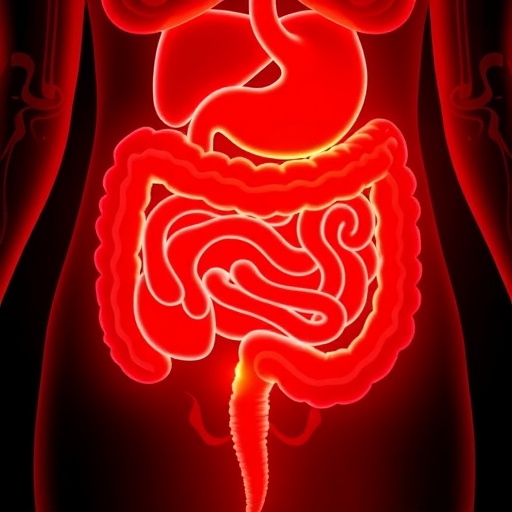
In a groundbreaking advancement in the understanding of metabolic health, a recent study has illuminated the intricate interplay between insulin resistance, gut microbiota, and hormonal responses following bariatric surgery. This multidisciplinary investigation focuses on individuals with severe obesity who have not yet developed diabetes, exploring how insulin resistance—an early metabolic dysfunction—modulates both microbial populations and incretin hormone secretion after undergoing sleeve gastrectomy, a common surgical intervention for obesity.
Sleeve gastrectomy (SG) is widely recognized for its effectiveness not only in reducing body weight but also in triggering favorable metabolic adaptations. Traditionally, the surgery’s benefits have been attributed largely to mechanical restriction and altered nutrient flow, yet emerging evidence suggests profound systemic effects involving gut-derived factors. This new research dissects how insulin resistance shapes these changes, providing novel insight into how the gut microbiota’s composition shifts and how the endocrine gut axis, exemplified by incretin secretion, remodels postoperatively.
Central to the study is the role of insulin resistance (IR), a hallmark of metabolic syndrome and a precursor to type 2 diabetes. IR impairs cellular glucose uptake, leading to hyperglycemia and compensatory hyperinsulinemia. Crucially, IR’s interaction with the gut microbiome—a complex ecosystem influencing energy harvest, inflammation, and metabolic homeostasis—has garnered attention only recently. The researchers sought to delineate how an insulin-resistant state alters microbial populations and metabolic signaling after surgical weight loss, disentangling variables previously confounded by overt diabetic pathology.
The cohort included individuals with severe obesity devoid of diabetes, meticulously screened to isolate the effects of IR. Preoperative assessments classified subjects based on insulin sensitivity profiles, microbiome sequencing established baseline community structures, and hormone assays measured incretin peptide levels. Following sleeve gastrectomy, longitudinal follow-up was conducted to track dynamic changes in gut microbiota composition and hormonal response patterns along with metabolic readouts such as insulin sensitivity, glucose tolerance, and lipid metabolism.
Findings revealed a striking divergence in gut microbiota remodeling contingent upon IR status. Individuals exhibiting pronounced insulin resistance preoperatively demonstrated a distinct trajectory of microbial shifts compared to their insulin-sensitive counterparts. These changes involved fluctuations in key bacterial taxa known for modulating bile acid metabolism, short-chain fatty acid production, and systemic inflammation—prime pathways by which the gut communicates metabolic cues to peripheral tissues.
In parallel, the study reported differential remodeling of incretin hormone responses, including glucagon-like peptide-1 (GLP-1) and gastric inhibitory polypeptide (GIP). These hormones potentiate insulin secretion and modulate appetite, underscoring their therapeutic potential in obesity and diabetes treatment. Importantly, IR appeared to blunt the usual postoperative enhancement of GLP-1 response, delineating a mechanistic basis for variable metabolic improvements observed clinically post-SG.
At a molecular level, the modulation of gut microbiota by insulin resistance likely influences the enteroendocrine system’s capacity to generate incretin signals. Altered microbial metabolites such as secondary bile acids can impact L-cell function in the distal intestine, thereby affecting hormone release. The study thereby establishes a novel axis linking IR-driven microbiome alterations to endocrine remodeling, challenging the notion of bariatric surgery’s effects as purely anatomical.
Moreover, metabolic parameters including insulin sensitivity indices, glucose homeostasis markers, and lipoprotein profiles aligned with these biological changes. Patients with lower preoperative insulin resistance exhibited more robust metabolic gains, presumably facilitated by favorable microbial and hormonal adaptations. This suggests that preoperative insulin sensitivity assessment could inform patient stratification and optimize postoperative management strategies.
From a clinical perspective, these insights pave the way for synergistic therapies that target microbiota or incretin pathways to enhance bariatric surgery outcomes. Potential interventions might encompass prebiotics, probiotics, or pharmacologic incretin mimetics tailored according to patient IR status. Such personalized approaches could mitigate the risk of suboptimal metabolic recovery and unlock long-term health benefits for patients with severe obesity.
Beyond obesity surgery, this work contributes to a broader understanding of how host metabolic status reshapes gut microbial ecosystems and systemic hormone networks. Given the global rise in metabolic diseases, advancing knowledge of these complex interdependencies is critical for devising novel therapeutic modalities that transcend conventional glucose-centric paradigms.
The study’s methodology encompassed high-throughput sequencing technologies and integrative bioinformatics pipelines to characterize microbial taxa and infer functional potential. Concurrently, plasma incretin assays employed sensitive immunoassays encompassing dynamic postprandial windows. Rigorous statistical modeling accounted for confounders such as diet, medication, and physical activity, strengthening causal inferences regarding IR’s modulatory effects.
Importantly, the research emphasizes that bariatric surgery operates within a broader metabolic milieu where preexisting insulin resistance modulates the gut ecosystem’s plasticity and endocrine responsiveness. This nuanced perspective challenges uniform expectations of surgical benefit and advocates for more granular profiling of patients’ metabolic and microbial baseline states.
As investigations continue, future studies will need to dissect causality further using mechanistic models such as germ-free rodents and microbiota transplantation experiments. Additionally, longitudinal multi-omics studies might unravel how epigenetic and metabolomic signatures converge within this gut-liver-pancreas axis, deepening our understanding of IR’s role in metabolic remodeling.
In conclusion, this pioneering work underscores that insulin resistance is not merely a metabolic defect but a determinant of gut microbial and hormonal reprogramming after bariatric surgery. It invites a paradigm shift towards integrated therapeutic strategies addressing both microbial ecology and endocrine function, ultimately aiming to enhance the metabolic revolution ushered in by modern obesity surgery.
Subject of Research: The impact of insulin resistance on gut microbiota composition, incretin hormone responses, and metabolic outcomes after sleeve gastrectomy in individuals with severe obesity without diabetes.
Article Title: Insulin resistance modulates gut microbiota and incretin response remodeling after bariatric surgery in severe obesity.
Article References:
Puig, R., Rodríguez-Peña, MM., Hernández-Montoliu, L. et al. Insulin resistance modulates gut microbiota and incretin response remodeling after bariatric surgery in severe obesity. Int J Obes (2026). https://doi.org/10.1038/s41366-025-01971-7
Image Credits: AI Generated
DOI: 10.1038/s41366-025-01971-7 (Published 10 January 2026)
Tags: bariatric surgery metabolic healthendocrine gut axis and insulin sensitivitygut-derived factors and weight losshyperglycemia and insulin responseincretin hormone secretion post-surgeryinsulin resistance and gut microbiotametabolic adaptations after bariatric surgerymetabolic syndrome and diabetes preventionmicrobial populations in obesity treatmentobesity and metabolic dysfunctionsleeve gastrectomy and hormonal changessystemic effects of bariatric surgery