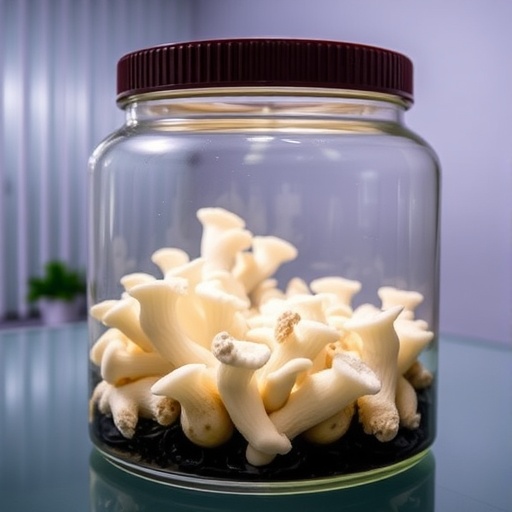
In a groundbreaking study set to advance the field of sustainable materials science, researchers have explored innovative methodologies to produce pure mycelium materials derived from the versatile fungus Aspergillus niger. This research is part of a growing interest in utilizing bio-based materials to meet the challenges of environmental sustainability and to reduce dependency on conventional plastics. The results of this research promise not only to enhance our understanding of mycelium production but also to propel it into new commercial applications ranging from packaging to construction materials.
The cultivation of mycelium, the vegetative part of fungi, presents a key opportunity for creating biodegradable materials that outperform traditional synthetic options. By harnessing the natural growth processes of Aspergillus niger, researchers, led by Sanchez-Díaz, Rodriguez, and Moavro, have evaluated various culture conditions and plasticization methods to optimize the properties of the resulting materials. Through meticulous experimentation, they have identified the critical parameters that affect mycelium growth, texture, and ultimately, the functional performance of the created biomaterials.
One crucial aspect examined in the research pertains to the type of substrates employed for mycelium cultivation. Both agricultural waste and specially designed nutrient mediums were tested for their viability in promoting rapid fungal growth while accommodating the economic feasibility required for large-scale production. The findings in this regard suggest that utilizing lignocellulosic waste materials not only supports fungal proliferation but also contributes to a circular economy model, converting wastes into valuable resources.
The study further delves into the significance of environmental conditions such as temperature, humidity, and airflow, which played vital roles in influencing the characteristics of the mycelium. Temperature variations particularly presented a fascinating insight, with the researchers demonstrating that specific thermal conditions could either accelerate growth rates or add to the density of the final product. The nuances of these interactions reveal the complexity behind cultivating mycelium as a reliable material source.
Plasticization, an essential process that entails enhancing the flexibility and workability of materials, emerged as another focal point in this research. The team explored various natural plasticizers derived from plant-based sources to supplement mycelium’s structural integrity. This shift towards natural alternatives highlights an urgency in minimizing synthetic additives that contribute to environmental degradation. The implications of these findings could stimulate further innovations in bioplastic technology.
Moreover, the enhanced durability of mycelium-based materials can offer robust solutions across multiple industries. The research proposes that mycelium not only stands as a biodegradable alternative but can also replace certain non-renewable materials traditionally used in packaging, automotive components, and even construction. These flexible uses highlight mycelium’s potential to become the cornerstone of sustainable manufacturing practices.
The study’s robust methodology, integrating experimental and analytical approaches, sets a precedent for future research endeavors. By applying rigorous testing protocols, the authors have validated their findings and provided a clear pathway for scalability. With rising global interest in sustainable practices, this research addresses pressing environmental concerns by proposing a renewable alternative that can feasibly contribute to alleviating plastic pollution.
Furthermore, the expansive insights gained from this study foster interdisciplinary collaboration between materials science, agricultural technology, and environmental engineering. By combining expertise from various fields, the researchers underscore that advancing mycelium-based materials will not only fulfill commercial needs but also align with ecological priorities crucial for the health of our planet.
As the research progresses toward commercialization, next steps include pilot-scale production and comprehensive life cycle assessments to evaluate the environmental impact of mycelium-based materials compared to conventional options. These assessments will be vital for stakeholders considering the transition towards biobased products, providing a deeper understanding of the economic, social, and environmental benefits involved.
The groundbreaking results underscore a significant shift in how materials can be sourced sustainably, presenting a compelling case for mycelium in the context of the global emphasis on circular economy principles. With industry giants now looking at mushroom-derived materials, the potential for commercial viability is becoming increasingly clear.
In addition to its commercial promise, the research by Sanchez-Díaz et al. paves the way for encouraging sustainable agricultural practices. By converting agricultural residues into mycelium materials, it not only assists in waste management but also enhances farmers’ income through waste valorization efforts. This reinforces the notion that sustainability can lead to economic innovation, echoing the importance of aligning environmental initiatives with profitability.
The implications of this research extend beyond academia and industry to consumers. Public awareness about sustainable practices continues to rise, with consumers increasingly seeking eco-friendly products. The mycelium materials developed through this research could tap into this growing market, facilitating a consumer shift toward more sustainable purchasing choices while reducing reliance on harmful plastic materials.
In conclusion, the recent evaluation of culture and plasticization conditions for producing pure mycelium materials from Aspergillus niger sheds light on a promising and sustainable avenue for material innovation. As the research unfolds, it is poised to make a significant impact, revolutionizing how industries approach material production and consumption in the face of pressing environmental challenges.
Subject of Research: Mycelium material production from Aspergillus niger.
Article Title: Evaluation of Culture and Plasticisation Conditions for the Production of Pure Mycelium Materials from Aspergillus Niger.
Article References: Sanchez-Díaz, M.R., Rodriguez, Y.A., Moavro, A. et al. Evaluation of Culture and Plasticisation Conditions for the Production of Pure Mycelium Materials from Aspergillus Niger. Waste Biomass Valor (2026). https://doi.org/10.1007/s12649-025-03477-9
Image Credits: AI Generated
DOI: https://doi.org/10.1007/s12649-025-03477-9
Keywords: Mycelium, Aspergillus niger, Sustainable Materials, Plasticization, Circular Economy, Biodegradable Materials, Agricultural Waste.
Tags: agricultural waste substratesAspergillus niger cultivationbio-based materialsbiodegradable materialscommercial applications of myceliumEnvironmental sustainabilityinnovative culture conditionsmycelium growth optimizationpackaging and construction materialspure mycelium productionreducing plastic dependencysustainable materials science