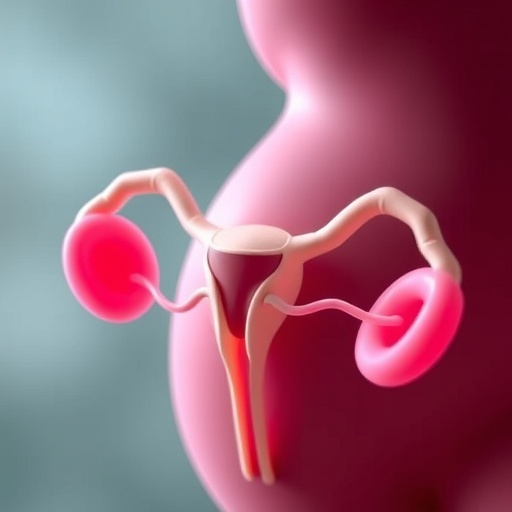
In an era where reproductive health is increasingly at the forefront of medical discussions, a recent study highlights a critical consequence of chemotherapy on women’s fertility. The research, authored by Zhou et al., examines the harsh realities that cancer treatments impose on ovarian function and the subsequent steps that researchers are taking to combat these effects. This exploration is particularly pertinent given that cancer diagnosis and treatment are becoming more common, leading to a greater population of women facing fertility challenges as a result.
Chemotherapy has long been known to have profound side effects. Among these, the impact on reproductive health, especially its ability to disrupt ovarian function, emerges as a significant concern. The ovaries, responsible for hormone production and egg release, can suffer irreversible damage due to the toxic compounds administered during cancer treatments. This can manifest in varied responses, from premature ovarian failure to long-term infertility, effecting both psychological and physical aspects of health, thus leaving many women grappling with life-altering implications.
Zhou et al. elaborate on the mechanistic pathways through which chemotherapeutic agents compromise ovarian function. The study identifies that certain types of chemotherapy drugs can induce oxidative stress and apoptosis in ovarian follicles, leading to a depleted reserve of eggs. The implications of this finding are profound, as they suggest that the timing, type, and dosage of chemotherapy can influence not only immediate ovarian damage but also long-term reproductive outcomes, warranting careful strategization for preserving fertility in young cancer patients.
This conversation is crucial not only for current patients but for oncologists and fertility specialists striving to optimize treatment plans. The research sheds light on the need for informed discussions between patients and healthcare providers about potential fertility preservation methods prior to commencing chemotherapy. These discussions can guide patients in making proactive choices that align with their reproductive goals, potentially incorporating methods such as oocyte cryopreservation, embryo freezing, or ovarian tissue freezing as viable options before treatment.
Emerging therapeutic approaches are being explored by researchers aiming to mitigate the impact of chemotherapy on ovarian reserves. Zhou et al. delve into these promising interventions, which include the use of hormone therapies, antioxidative agents, and even experimental gene therapies that target the ovarian tissue directly. These advancements illustrate a growing field of study focused on not just surviving cancer, but ensuring quality of life post-treatment, including the ability to conceive.
The authors also highlight success stories from preclinical models where protective agents have shown the potential to shield ovarian tissue from the deleterious effects of chemotherapy. This line of research not only provides hope to patients but underscores the importance of continued funding and focus in reproductive science to develop effective solutions for those affected by cancer treatments.
Moreover, this research has led to a renewed emphasis on the necessity of public awareness regarding fertility issues linked to chemotherapy. Educating both patients and healthcare professionals on these risks can ensure that future generations of women facing cancer are not caught off guard. With improved knowledge, patients can advocate for themselves and seek options that may otherwise be overlooked in the turmoil of a cancer diagnosis.
The implications of this study extend beyond individual patients, influencing healthcare policies and practices. As more women survive cancer due to advancements in treatment, the healthcare infrastructure must adapt to address the complexities of post-cancer reproductive health. Awareness initiatives and policy reforms that consider fertility preservation as part of standard cancer treatment protocols could dramatically alter the landscape of patient care in oncology.
In addition to her scientific contributions, one of the noteworthy takeaways from Zhou et al.’s work is the potential for interdisciplinary collaboration. Involving reproductive endocrinologists, oncologists, and researchers in fertility science can create a more holistic approach to patient care. By working together, these professionals can craft customized treatment plans that prioritize both cancer survival and reproductive success.
Furthermore, the plight of cancer survivors concerning fertility also emphasizes the necessity of research funding directed at this specific intersection of health. As Zhou and colleagues argue, studies that bridge oncology and reproductive health should gain prominence in grant allocations. By prioritizing resources in these areas, we can expedite the translation of laboratory findings into clinical practice, ultimately benefiting a broader population of patients who face similar challenges.
In conclusion, the revelations from Zhou et al. present a sobering but necessary discussion on the ramifications of chemotherapy on women’s fertility. The synthesis of research and innovation described in their findings brings renewed hope for women navigating the dual challenges of cancer and fertility. As we move forward, it is crucial for the medical community to embrace this dual focus on survival and reproductive autonomy, ensuring comprehensive care that respects the desires of women battling cancer. Only through continued research and collaboration can we foster an environment where women can thrive, even after facing the daunting reality of a cancer diagnosis.
As we delve deeper into this vital topic, we realize that each patient’s journey is unique, and we must advocate for tailored solutions that prioritize their personal experiences and reproductive wishes. By using these research insights, we can cultivate a more informed patient base prepared to navigate the complexities of cancer treatment while preserving their dreams of motherhood.
Subject of Research: The effects of chemotherapy on ovarian function and fertility in women.
Article Title: Fertility under fire: how chemotherapy harms the ovaries and the science fighting back?
Article References:
Zhou, J., Zhang, D., Yu, Y. et al. Fertility under fire: how chemotherapy harms the ovaries and the science fighting back?.
J Ovarian Res (2026). https://doi.org/10.1186/s13048-025-01950-6
Image Credits: AI Generated
DOI: 10.1186/s13048-025-01950-6
Keywords: chemotherapy, fertility, ovarian function, reproductive health, cancer treatment, women’s health, fertility preservation, oxidative stress, hormone therapy, oocyte cryopreservation.
Tags: chemotherapy effects on ovarian healthemerging solutions for chemotherapy-related infertilityfemale fertility challenges post-cancer treatmenthormonal disruption from cancer therapieslong-term infertility after chemotherapyovarian function damage from chemotherapyoxidative stress and ovarian folliclespremature ovarian failure and cancer treatmentpsychological impact of chemotherapy on womenreproductive health and cancer therapiesresearch on fertility preservation techniqueswomen’s health and cancer survivorship