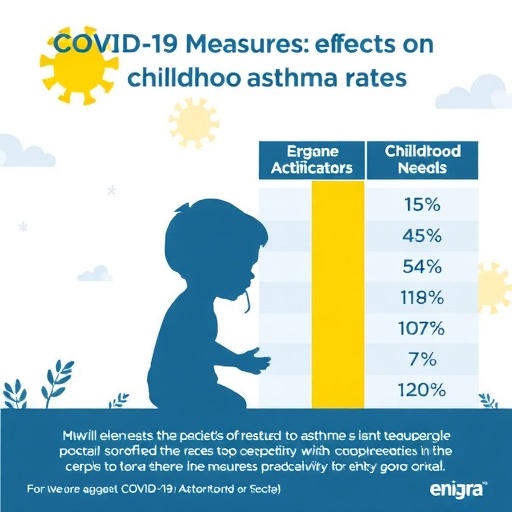
The ongoing COVID-19 pandemic has drastically reshaped public health perspectives, and with it, there are rising conversations surrounding the implications of epidemic prevention and control measures on various health conditions. One such condition that has garnered attention is asthma in children. Recent research led by Pu and Hao has sought to uncover the complex relationship between COVID-19 containment efforts and the incidence rates of this chronic respiratory condition among younger populations. The significance of this research is underscored by the fact that asthma is one of the most prevalent chronic illnesses in children, affecting their quality of life and overall health.
The research focuses on how measures such as social distancing, mask mandates, and enhanced hygiene practices, which were instituted to curb the spread of the virus, have also influenced the rates of asthma exacerbations and new diagnoses. Initial findings suggest a significant shift in asthma incidence compared to pre-pandemic years. The authors postulate that these containment measures might have inadvertently provided some protective effects for children with asthma due to decreased exposure to respiratory viruses and other environmental triggers.
With the introduction of stringent public health measures, there has been a decrease in certain infectious diseases, which are known triggers for asthma flare-ups. Children have been less exposed to common respiratory pathogens, potentially leading to fewer asthma attacks. This presents a paradox in public health; while measures aimed at limiting the spread of COVID-19 might aid in controlling asthma symptoms during the pandemic, they may not be sustainable in the long term as normal social interactions resume.
Furthermore, the psychological implications of living through a pandemic are critical to understand. Changes in daily routines, social isolation, and increased stress can all impact the mental health of children with asthma. The emotional toll associated with the pandemic must be examined alongside physical health changes. Specifically, children with asthma may experience increased anxiety about their health, particularly in the context of a respiratory virus like COVID-19. This mental strain could paradoxically exacerbate their asthma symptoms, leading to a need for comprehensive care that addresses both physical and emotional health.
Additionally, the research considered the broader environmental factors that influence asthma symptoms. Lockdowns led to a temporary reduction in pollution levels, which presumably contributed to improved air quality. As many children spend time indoors, enhanced indoor air quality through improved ventilation and reduced allergens may also have played a role in lower asthma incidence. This dimension underscores the importance of environmental health in managing chronic conditions like asthma and suggests a potential avenue for public health policy reform moving forward.
The results of this research could have far-reaching implications for how healthcare providers and policymakers approach asthma management in children post-pandemic. A dual strategy that incorporates both traditional asthma management techniques and innovative public health strategies responding to learnings from the pandemic may be essential. For instance, it may be worthwhile to integrate more rigorous pollution control measures into public health frameworks while also prioritizing mental health resources for children facing chronic illnesses.
Parent education and community outreach are other vital components that must be addressed. Understanding the nuances of how COVID-19 preventive measures have influenced asthma can empower families to make informed decisions regarding their healthcare. This includes maintaining appropriate asthma management practices even in lighter lockdown scenarios and continuing strategies learned during the pandemic, such as mask-wearing during high pollen seasons.
In summary, the research meticulously documents the intersecting paths of COVID-19 preventive measures and pediatric asthma incidences. It compels us to rethink how we conceptualize not only respiratory diseases but also public health initiatives in the wake of such unprecedented global events. Additional analysis and longitudinal studies will be essential to fully grasp the long-term implications of these findings.
As communities begin to reopen and adapt to a post-COVID-19 landscape, it becomes integral for healthcare systems to create robust strategies that maintain asthma care while being consciously aware of the challenges posed by a return to pre-pandemic activities. The lessons from the pandemic should inform policies that protect at-risk populations like children with asthma, suggesting a need for ongoing vigilance as we move forward from the crisis.
In conclusion, the experience of managing asthma during COVID-19 might redefine personalized healthcare strategies, emphasizing the balance between physical health needs and mental well-being. The research findings will undeniably spark further investigation, as healthcare systems strive to implement solutions that not only alleviate asthma symptoms but also enhance the overall health and resilience of future generations.
Subject of Research: The impact of COVID-19 epidemic control measures on asthma incidence in children.
Article Title: Impact of COVID-19 epidemic prevention and control measures on the incidence of asthma in children.
Article References:
Pu, F., Hao, Yq. Impact of COVID-19 epidemic prevention and control measures on the incidence of asthma in children.
BMC Pediatr 26, 8 (2026). https://doi.org/10.1186/s12887-025-06366-1
Image Credits: AI Generated
DOI: https://doi.org/10.1186/s12887-025-06366-1
Keywords: COVID-19, asthma, children, public health, epidemiology, health policy.
Tags: asthma exacerbations during COVID-19asthma rates during pandemicchronic respiratory conditions in childrenCOVID-19 impact on childhood asthmaeffects of public health measures on asthmaenvironmental triggers for asthmahygiene practices and childhood illnessesmask mandates and respiratory conditionspandemic public health strategies and health outcomesprotective effects of COVID-19 measuresrespiratory health in childrensocial distancing and asthma incidence