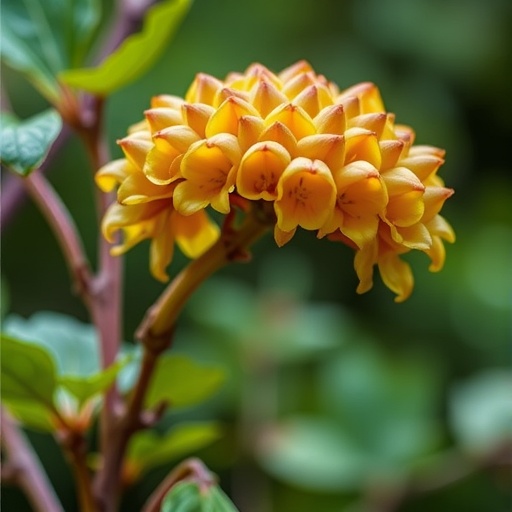
In recent years, the quest for effective treatments and supplements that can aid cognitive function has captured the attention of both researchers and healthcare enthusiasts. The exploration of natural compounds continues to hold promise, with various dietary supplements emerging for their potential neuroprotective properties. A groundbreaking study has been conducted by a team of scientists, including Aboubaker, D.H., Elsayed, A.A.A., and El-Gohary, A., titled “Author Correction: Introduction of Cistanche phelypaea fatty acids as a new natural neurotrophic supplement by evaluating its effects in normal and Alzheimer’s diseased rats.” This significant research delves into the therapeutic potential of Cistanche phelypaea, an herb long recognized in traditional medicine, regarded for its supposed cognitive-enhancing properties.
Cistanche phelypaea, a member of the Orobanchaceae family, has garnered interest due to its unique bioactive compounds, particularly fatty acids, that are believed to play a crucial role in cellular health and cognitive function. The herb has been used in traditional Asian medicine, yet its systematic exploration within modern scientific contexts is still emerging. The current investigation evaluates how these fatty acids may function as neurotrophic supplements, providing the necessary support for neuronal health and regeneration.
Neurotrophic factors are essential for the growth, survival, and differentiation of neurons. They are critical players in the maintenance of brain health, and their deficiency is often linked to neurodegenerative diseases such as Alzheimer’s. In this study, the authors sought to determine whether Cistanche phelypaea could enhance the presence or activity of these neurotrophic factors, ultimately leading to improved cognitive function in both normal conditions and in the presence of Alzheimer’s pathology.
To conduct their research, the team utilized an animal model, deploying both healthy and Alzheimer’s diseased rats in a series of behavioral and biochemical assays. The choice of rats as their model organism allowed for sufficient ethical flexibility while providing reliable insights into mammalian biology. Through rigorous experimentation, they could glean data on how the administration of Cistanche phelypaea fatty acids influenced cognitive performance and neurochemical markers associated with brain health.
One of the standout results from this research was a marked improvement in cognitive performance among the rats that received the fatty acids. The researchers employed a series of mazes and memory tasks to assess the cognitive abilities of the subjects. Rats administered with Cistanche phelypaea showed enhanced memory recall and spatial navigation abilities compared to those in the control group. Such findings are critical as they suggest that the fatty acids could counteract cognitive decline, especially in the context of Alzheimer’s disease.
Biochemical analyses further substantiated the behavioral results. Blood samples and brain tissues were examined for changes in levels of neurotrophic factors such as Brain-Derived Neurotrophic Factor (BDNF), which is crucial for synaptic plasticity and overall brain function. The study reported elevated levels of BDNF in the brain tissues of treated rats, indicating that Cistanche phelypaea may indeed facilitate neuroprotection and neurogenesis. This biochemical support complements the observed behavioral improvement, suggesting a dual mechanism at play.
The implications of this study extend far beyond the laboratory. As the global population ages, the incidence of neurodegenerative diseases is projected to rise significantly. The quest for effective treatments has become an urgent priority on the public health front. The results from Aboubaker et al.’s research open new avenues for exploring natural therapies and encourage further investigation into plant-based compounds that can contribute positively to brain health.
Moreover, the research also highlights the importance of revisiting traditional herbal practices through the lens of modern science. Cistanche phelypaea’s long-standing use in traditional medicine can inform contemporary clinical applications, bridging the gap between ancient wisdom and scientific validation. This study thus not only reinforces the value of natural products but also emphasizes the need for rigorous scientific investigation into herbal medicine.
As the scientific community continues to investigate potential solutions to combat cognitive decline, this study serves as a beacon of hope. With natural neurotrophic supplements like Cistanche phelypaea gaining recognition, there may soon be viable alternatives to synthetic drugs that often come with a myriad of side effects. The positive results from this research underscore the necessity for continued exploration of botanical compounds that hold promise for brain health.
Furthermore, this exploration is particularly timely given the rising interest in personalized medicine and wellness. Many individuals are actively seeking natural supplements to improve their cognitive performance, enhance memory, or support overall brain health. As interest flourishes in this area, studies like this one contribute valuable knowledge that aids consumers in making informed choices about their health.
However, it is essential to approach this emerging field with a balanced perspective. While the potential benefits of Cistanche phelypaea are promising, there remains a need for thorough clinical trials in humans before establishing definitive efficacy and safety profiles. The research team acknowledges that more extensive studies are required to ascertain optimal dosages and long-term effects, ensuring that the transition from animal models to human applications is safely navigated.
In conclusion, the work of Aboubaker and colleagues represents a pivotal step in understanding the neuroprotective potential of Cistanche phelypaea fatty acids. Their findings not only enrich the existing literature on neurotrophic supplementation but also invigorate the discourse surrounding natural therapeutics in cognitive health. As research in this field progresses, there is hope that such natural compounds could become integral components of strategies aimed at mitigating the impact of neurodegenerative diseases and enhancing cognitive well-being.
While the present study is promising, it is crucial to keep in mind the broader context of brain health. Lifestyle factors such as diet, exercise, and mental stimulation consistently demonstrate their significance in supporting cognitive function. Integrating natural supplements with a holistic approach to brain health may provide the best outcomes for individuals looking to maintain cognitive vitality throughout their lives. Research like that conducted by Aboubaker et al. plays a vital role in directing attention to natural solutions, encouraging both scientific inquiry and public awareness of the potential benefits of herbal supplements.
Subject of Research: The effects of Cistanche phelypaea fatty acids as a natural neurotrophic supplement.
Article Title: Author Correction: Introduction of Cistanche phelypaea fatty acids as a new natural neurotrophic supplement by evaluating its effects in normal and Alzheimer’s diseased rats.
Article References:
Aboubaker, D.H., Elsayed, A.A.A., El-Gohary, A. et al. Author Correction: Introduction of Cistanche phelypaea fatty acids as a new natural neurotrophic supplement by evaluating its effects in normal and Alzheimer’s diseased rats. Sci Rep 15, 45801 (2025). https://doi.org/10.1038/s41598-025-34156-3
Image Credits: AI Generated
DOI: 10.1038/s41598-025-34156-3
Keywords: Cistanche phelypaea, fatty acids, neurotrophic supplement, Alzheimer’s disease, cognitive function.
Tags: Alzheimer’s disease treatment researchbioactive compounds for neuronal healthCistanche phelypaea fatty acidscognitive enhancement through supplementsdietary supplements for brain regenerationfatty acids and neuronal survivalnatural compounds for brain healthneuroprotective properties of herbal remediesneurotrophic supplements for cognitive functionOrobanchaceae family medicinal usestherapeutic potential of Cistanchetraditional medicine and modern science