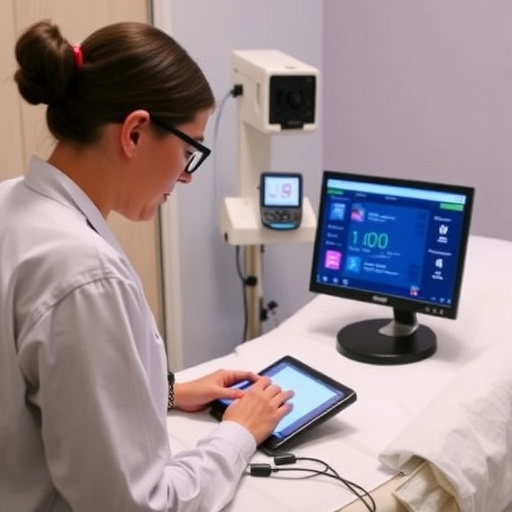
In the constantly evolving field of oncology, the integration of technology into patient care is proving to be a game changer. A recent study titled “Benefit of adding Cureety Techcare telemonitoring to usual care during injectable anticancer treatment: the OPTIMACURE multicentric French prospective randomized study,” led by researchers Faveyrial, Gernier, and Rouzier, sheds significant light on the potential benefits of remote patient monitoring during cancer treatment. This groundbreaking research suggests that leveraging telemonitoring solutions can enhance patient care, significantly improving outcomes for those receiving injectable anticancer therapies.
Telemonitoring has gained traction as a vital tool in healthcare, especially in chronic disease management. It allows healthcare professionals to track patient health metrics remotely, providing timely interventions that could be crucial for patients undergoing intensive treatment regimens. The OPTIMACURE study specifically examined how the use of Cureety Techcare, a telemonitoring system, can be incorporated into standard care protocols for patients receiving injectable anticancer medications. This innovative approach aims to foster a more proactive stance in managing and monitoring the side effects associated with chemotherapy.
The research encompassed multiple centers across France, emphasizing its multicentric nature, which strengthens the validity and reliability of the findings. Participants, consisting of cancer patients commencing injectable therapy, were divided into two groups: one receiving the standard treatment and the other supplemented with the Cureety Techcare telemonitoring. The diversity in patient demographics and types of cancer helped ensure comprehensive insights into the efficacy of telemonitoring across various contexts.
Throughout the study, numerous health parameters, including adverse effects, overall well-being, and patient satisfaction, were meticulously tracked. What stands out is the emphasis on patient experience, which is becoming increasingly central in cancer care research. Monitoring adverse effects of treatment in real-time allows healthcare practitioners to modify treatment plans swiftly, minimizing discomfort and potentially avoiding complications that could worsen patient outcomes.
Early results from the study have been promising. Patients utilizing the telemonitoring tool reported higher levels of satisfaction and engagement in their treatment journey. The Cureety Techcare platform offers patients a user-friendly interface where they can report symptoms, receive educational materials, and even communicate directly with their healthcare teams. This direct line of communication could be instrumental in fostering trust and a sense of agency in the patient-doctor relationship, essential components in effective cancer care management.
Moreover, the study suggests that integrating telemonitoring may alleviate the burden on healthcare facilities. By remotely managing symptoms, healthcare providers can streamline their processes, potentially reducing the number of emergency visits and hospitalizations related to treatment side effects. This benefit extends beyond patient care, indicating potential cost savings and resource optimization for healthcare systems.
A notable finding in the OPTIMACURE study is that patients who engaged with Cureety Techcare often had better treatment adherence. Adherence to medication schedules and appointment recommendations remains a significant challenge in oncology. However, with continuous monitoring and immediate feedback, patients feel more accountable to their treatment regimens. Thus, telemonitoring serves not only as a safety net for managing side effects but also as a motivational tool for patients.
As with any clinical study, there were challenges. Researchers had to account for variations in individual patient responses and the complexities of managing a technology-integrated system. Ensuring all participants had reliable internet access and the ability to use the telemonitoring system effectively were critical hurdles that the team adeptly navigated. The study’s design meticulously considered these factors, incorporating training and support for patients unfamiliar with such technology.
The implications of the OPTIMACURE study reach far beyond the initial findings. As the healthcare landscape continues adapting to technological advancements, it becomes increasingly clear that telemonitoring can play a pivotal role in the future of cancer treatment. The outcomes suggest not only improved patient health but also a transformative shift in how care is delivered. The potential for widespread application of such telemonitoring systems could redefine patient interactions with healthcare, making innovative care models a standard rather than an exception.
In light of these results, many healthcare institutions are likely to evaluate their approach to patient care, especially within oncology. The success of the Cureety Techcare implementation could inspire healthcare providers to explore other avenues of incorporating technology in managing chronic diseases. The trend toward personalized medicine may indeed find its footing through such integrative practices, as monitoring tools become tailored to the unique needs of each patient, further enhancing treatment efficacy.
As we look to the future, one cannot overlook the impact of patient education and empowerment in cancer care. Studies like OPTIMACURE underline the importance of not just treating the disease but also ensuring that patients are informed participants in their care decisions. Telemonitoring platforms that provide educational resources alongside symptom tracking may significantly enhance a patient’s understanding of their treatment and encourage healthier behavioral choices.
In conclusion, the integration of telemonitoring in cancer treatment, as demonstrated by the OPTIMACURE study, signals a crucial advancement in providing comprehensive care to patients undergoing challenging therapies. As researchers continue to explore the depth of these findings, the healthcare community remains hopeful that telemonitoring will become an essential component of standard cancer treatment protocols, yielding better health outcomes and enhanced patient experiences. The future of cancer care is indeed bright, with technology playing a central role in the journey toward recovery.
Faveyrial, A., Gernier, F., Rouzier, R. et al. Benefit of adding Cureety Techcare telemonitoring to usual care during injectable anticancer treatment: the OPTIMACURE multicentric French prospective randomized study.
BMC Health Serv Res 25, 1622 (2025). https://doi.org/10.1186/s12913-025-13661-1
Subject of Research: The impact of telemonitoring on patient outcomes during injectable anticancer treatment.
Article Title: Benefit of adding Cureety Techcare telemonitoring to usual care during injectable anticancer treatment: the OPTIMACURE multicentric French prospective randomized study.
Article References:
Faveyrial, A., Gernier, F., Rouzier, R. et al. Benefit of adding Cureety Techcare telemonitoring to usual care during injectable anticancer treatment: the OPTIMACURE multicentric French prospective randomized study.
BMC Health Serv Res 25, 1622 (2025). https://doi.org/10.1186/s12913-025-13661-1
Image Credits: AI Generated
DOI: https://doi.org/10.1186/s12913-025-13661-1
Keywords: Telemonitoring, oncology, cancer treatment, patient care, Cureety Techcare, OPTIMACURE study.
Tags: cancer treatment improvementchemotherapy side effect managementchronic disease management solutionsCureety Techcare telemonitoringinjectable anticancer therapiesinnovative healthcare approachesmulticentric cancer researchOPTIMACURE study findingspatient care technology integrationproactive patient monitoring strategiesremote patient monitoring benefitstelemonitoring in oncology