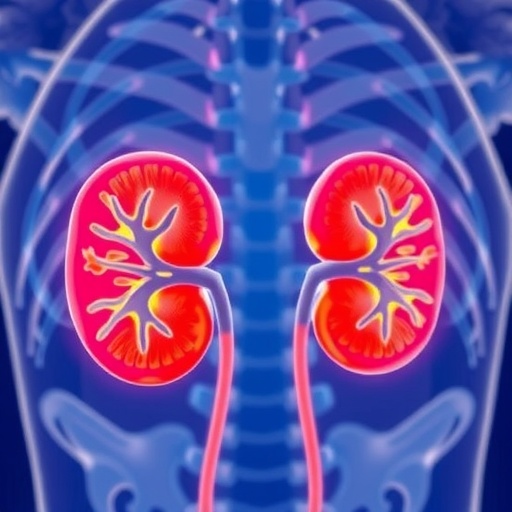
In a significant exploration of the effects of intraoperative hypotension on postoperative health, a recent cohort study has provided compelling evidence linking hypotension—a common occurrence during surgery—to acute kidney injury (AKI) in elderly patients undergoing noncardiac procedures. The research, conducted by Liu et al., sheds light on a critical aspect of surgical medicine that merits attention, particularly in geriatric populations, which are often more vulnerable to surgical complications.
During noncardiac surgeries, maintaining stable hemodynamics is crucial for minimizing the risks of postoperative complications. However, intraoperative hypotension, defined as a transient drop in blood pressure during surgery, can be frequently observed due to various anesthetic and physiological factors. The study led by Liu and colleagues offers a thorough retrospective analysis of how these drops in blood pressure correlate with the incidence of AKI, highlighting a rising concern in surgical practices.
Elderly patients, especially those categorized as super elderly, face unique health challenges. Their kidneys often have reduced functional reserve and renal blood flow can be compromised due to aging. Recognizing this, the researchers focused on a cohort of patients aged 65 and above undergoing elective noncardiac surgeries. This demographic was selected to better understand how age exacerbates the risks associated with intraoperative hypotension and the subsequent likelihood of developing AKI.
The study utilized a comprehensive dataset to analyze outcomes, focusing on those who experienced episodes of intraoperative hypotension. Measurements included systolic blood pressure drops that persisted for five minutes or more during any point of the procedure. This criterion was vital, as it allowed the study to define a clear threshold for hypotension directly correlated with surgical outcomes.
To quantify the risk of AKI, the researchers employed established criteria, including changes in serum creatinine levels and urine output reductions within 48 hours post-surgery. AKI was assessed as a categorical variable, allowing the researchers to gauge its prevalence within the patient cohort effectively. The results of such findings are critical, as they elucidate the intricate relationship between intraoperative management and postoperative renal health.
The implications of these findings are profound. Elevated rates of acute kidney injury post-surgery can lead to longer hospital stays, increased medical costs, and higher mortality rates. Liu et al.’s research emphasizes that intraoperative hypotension is not merely a transient issue but may have lasting ramifications on a patient’s renal function, particularly in an aging population where every aspect of health is crucial.
One particularly striking aspect of the study is how it aligns with existing literature regarding blood pressure management in surgical settings. Multiple studies have previously documented the detrimental effects of hypotension on various organs, yet Liu et al. expand the dialogue by specifically targeting a geriatric cohort, thus filling a critical gap in surgical research. Their findings underscore the need for anesthesiologists and surgical teams to be vigilant regarding blood pressure management throughout procedures.
Additionally, the research opens doors to potential interventions that could modify how intraoperative hypotension is managed. Recommendations from the study may include proactive monitoring strategies and preemptive measures to maintain hemodynamic stability. Such practices not only hold promise for reducing the incidence of postoperative complications but also suggest a broader rethink regarding perioperative care protocols for elderly patients.
Surgeons and anesthesiologists can take valuable lessons from these findings, especially as the aging population continues to grow. The study advocates for improved awareness and education among healthcare professionals regarding the specific risks faced by older patients. Enhanced training in recognizing and responding to episodes of intraoperative hypotension may be necessary to mitigate the risk of AKI.
Further research is warranted, as Liu et al. point out, to establish guidelines that are reflective of the complexities involved in treating elderly populations. Future studies could also explore the potential for specific pharmacological interventions tailored to preventing hypotension and protecting kidney function in high-risk surgical patients.
In conclusion, the clear link between intraoperative hypotension and AKI in elderly patients not only adds significant knowledge to surgical practices but also raises awareness about the need for targeted approaches within this vulnerable population. Liu et al.’s research offers crucial insights that could influence clinical guidelines and improve health outcomes for elderly patients undergoing noncardiac surgeries.
As this study highlights, the moves towards enhanced geriatric surgical care are essential. Capturing the needs of this demographic will require systemic changes in how surgeries are approached, ensuring that interventions are informed by research such as this one. Intraoperative blood pressure management may become not only a routine monitoring goal but also a critical measure of safeguarding against the cascading effects of surgical complications.
With this emerging body of evidence, it is evident that the surgical community must prioritize the development of strategies that address intraoperative hypotension, particularly in patients who are at increased risk for adverse effects. By doing so, healthcare practitioners can aim not only for surgical success but also for the overarching goal of preserving patient quality of life.
In summary, the findings of Liu et al. serve as a vital call to action within surgical disciplines. As we continue to unravel the complexities of intraoperative care, understanding the interplay between hypotension and kidney health will pave the way for innovative practices and improved patient outcomes, thereby enhancing surgical care for the world’s elderly population.
Subject of Research: The relationship between intraoperative hypotension and acute kidney injury in elderly patients undergoing noncardiac surgery.
Article Title: The relationship between intraoperative hypotension and acute kidney injury in elderly and super elderly patients undergoing noncardiac surgery: a retrospective cohort analysis.
Article References:
Liu, R., Chen, J., Peng, Y. et al. The relationship between intraoperative hypotension and acute kidney injury in elderly and super elderly patients undergoing noncardiac surgery: a retrospective cohort analysis.
BMC Geriatr (2025). https://doi.org/10.1186/s12877-025-06944-z
Image Credits: AI Generated
DOI: 10.1186/s12877-025-06944-z
Keywords: intraoperative hypotension, acute kidney injury, elderly patients, noncardiac surgery, surgical complications, hemodynamic management, renal function, retrospective cohort analysis.
Tags: acute kidney injury in elderlyanesthesia effects on kidney healthblood pressure drops in surgeryelderly patient caregeriatric surgical risk factorshemodynamic stability during surgeryintraoperative hypotensionnoncardiac surgery risksrenal function and agingretrospective study on surgery outcomessuper elderly health challengessurgical complications in seniors