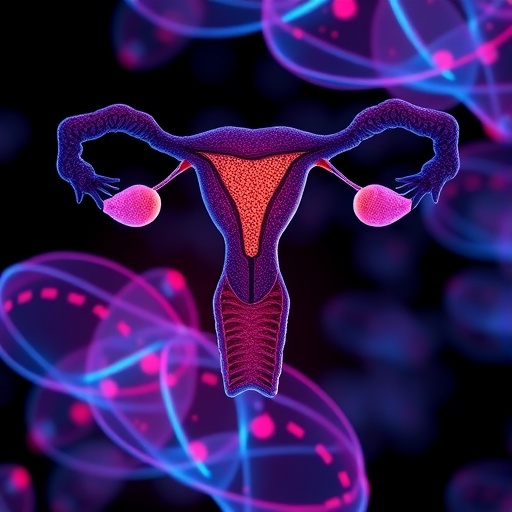
Polycystic ovary syndrome (PCOS) is a multifaceted endocrine disorder that affects a significant number of women globally, with a profound impact on their reproductive health and overall well-being. The emergence of potential therapeutic agents has become increasingly important in the quest to mitigate the effects of this syndrome. Recent research led by Guan, Wu, and Li et al. demonstrates promising findings regarding the compound obacunone, which shows potential in alleviating the development of PCOS by targeting specific intracellular pathways, particularly the phosphorylation of signal transducer and activator of transcription 3 (STAT3).
The significant role of STAT3 in cellular signaling underscores its importance in various physiological processes, including cell growth, survival, and inflammation. In the context of PCOS, dysregulation of STAT3 phosphorylation is believed to contribute to the hormonal imbalances and metabolic disturbances observed in affected individuals. The research team set out to explore how obacunone interacts with this signaling pathway and the broader implications of this influence on PCOS pathophysiology.
In their study, the researchers provided a detailed examination of the mechanisms by which obacunone impacts STAT3 signaling. The experimental setup involved using both in vitro and in vivo models to effectively represent the disease environment found in women with PCOS. This dual approach allowed the researchers to validate their findings across different biological systems. Through careful observation and analysis, they reported that obacunone effectively inhibited STAT3 phosphorylation, leading to a cascade of beneficial effects on ovarian function and metabolic regulation.
Furthermore, the team focused on the impact of obacunone on the ovarian microenvironment. By modulating the inflammatory response often observed in PCOS, obacunone appears to restore balance to ovarian hormone levels, thereby improving reproductive outcomes. The compound’s ability to decrease the levels of pro-inflammatory cytokines is particularly noteworthy, as chronic inflammation is a hallmark of PCOS and contributes to its progression. The study’s findings suggest that obacunone may offer therapeutic promise by addressing both the hormonal and inflammatory components of PCOS.
The implications of this research extend beyond the confines of academic inquiry. With PCOS being a leading cause of infertility among women, the discovery of a compound that can effectively intervene in the disease’s progression is significant. Women suffering from PCOS often face a myriad of challenges, including irregular menstrual cycles, weight gain, and increased risk of metabolic syndrome. By potentially offering a new treatment avenue, obacunone may empower these women to manage their symptoms more effectively and improve their quality of life.
Moreover, the study’s results contribute to a larger body of work investigating natural compounds and their effect on human health. While pharmaceutical interventions often dominate treatment protocols, the exploration of naturally derived compounds like obacunone heralds a shift toward more holistic approaches. The safety profile and accessibility of natural products could render them valuable adjuncts to existing therapies, or in some cases, serve as standalone treatments for PCOS.
The researchers assert that while the findings are promising, further studies are necessary to fully elucidate the mechanism of action for obacunone and its efficacy in larger populations. Longitudinal studies will be essential to assess the long-term impacts of the treatment and its potential side effects. Additionally, the interaction between obacunone and other medications commonly prescribed for PCOS needs exploration to avoid detrimental drug interactions.
Within the broader context of women’s health, this research underscores the pressing need for advancements in understanding disorders like PCOS. The unique physiological and psychological burdens faced by women require dedicated research efforts, and the work of Guan, Wu, and Li et al. is a commendable step in that direction. Their pioneering research fills an essential gap in the scientific literature and offers hope for innovative treatments in the realm of reproductive health.
The study involving obacunone adds to an expanding repertoire of research that seeks to empower women with practical solutions to health issues that have historically been overlooked. With scientific curiosity driving these investigations forward, the quest to uncover the complexities of hormonal health continues. Each discovery not only enhances understanding but also paves the way for potentially life-altering treatments.
As health professionals and researchers persist in their efforts to combat PCOS, the implications of obacunone’s ability to inhibit STAT3 phosphorylation could resonate throughout the scientific community and clinical practice. The study encourages ongoing dialogue regarding the mechanisms underlying PCOS and highlights the importance of empowering women with informed therapeutic options.
The significance of the research extends to policy discussions surrounding women’s health care, particularly concerning access to treatment options for conditions that disproportionately affect women. By spotlighting the need for the availability of natural treatments like obacunone, advocates can help shift perspectives on health care and funding priorities to support targeted research efforts.
In conclusion, the findings surrounding obacunone’s role in the inhibition of STAT3 phosphorylation represent a noteworthy advancement in the understanding of polycystic ovary syndrome. As researchers continue to explore the complexities of this condition, they may uncover additional therapeutic targets and strategies that facilitate better health outcomes for women affected by PCOS. The intersection of scientific discovery and real-world implications offers a promising horizon for both researchers and those living with the challenges of this syndrome.
Understanding the multifaceted nature of conditions like PCOS is crucial for developing effective treatment strategies. Obacunone’s potential as a therapeutic agent raises intriguing possibilities for future research and offers a glimpse into the transformative nature of dedicated scientific inquiry. The journey towards unraveling the complexities of women’s health continues, with each new finding providing hope for enhanced care and better treatment options.
Subject of Research: Effect of Obacunone on Polycystic Ovary Syndrome and STAT3 Signaling
Article Title: Obacunone alleviated the development of polycystic ovary syndrome via inhibiting STAT3 phosphorylation
Article References:
Guan, L., Wu, H., Li, Y. et al. Obacunone alleviated the development of polycystic ovary syndrome via inhibiting STAT3 phosphorylation.
J Ovarian Res (2025). https://doi.org/10.1186/s13048-025-01934-6
Image Credits: AI Generated
DOI:
Keywords: Polycystic Ovary Syndrome, Obacunone, STAT3 Phosphorylation, Women’s Health, Natural Compounds, Reproductive Health.
Tags: cellular signaling in reproductive healthendocrine disorders in womenhormonal imbalances in PCOSin vitro studies on PCOSin vivo models of PCOSmetabolic disturbances in PCOSObacunone therapeutic effectspharmacological agents for PCOS managementPolycystic Ovary Syndrome treatmentpotential PCOS therapiesSTAT3 signaling pathwaywomen’s health research