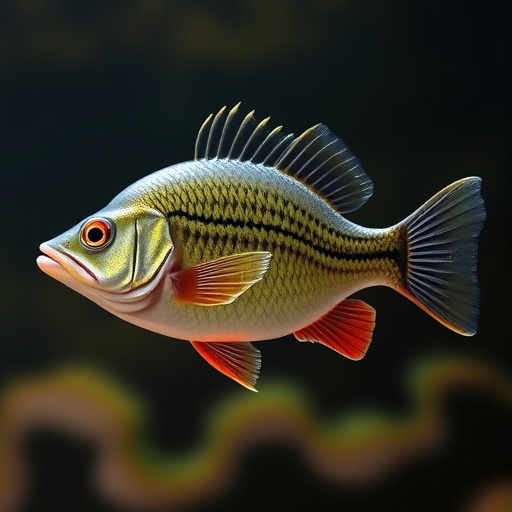
Recent advancements in genomic research have brought to light the intricate details of sexual dimorphism in the popular game fish, Micropterus salmoides, commonly known as the largemouth bass. Researchers Liu, Zheng, Cheng, and their colleagues have made significant strides in this area by producing gap-free T2T (telomere-to-telomere) assemblies of the largemouth bass genome. This represents a notable leap in understanding the genetic differentiation between male and female bass, and their findings have the potential to revolutionize the field of evolutionary genetics and aquaculture.
The methodology utilized in this groundbreaking study involved sophisticated genomic sequencing techniques that enable researchers to create comprehensive, continuous representations of the bass genome. By harnessing cutting-edge technologies, the researchers were able to construct an unbroken assembly of the genome, thereby eliminating the gaps often prevalent in traditional genomic sequencing. This precision has allowed for deeper insights into the genomic architecture of sexual dimorphism in Micropterus salmoides.
Delving into the Y-linked structural variants (SVs) uncovered in this research, the authors identified a specific hotspot that appears to play a critical role in distinguishing male from female phenotypes. This hotspot, enriched with genomic variations, suggests the presence of evolutionary pressures that shape the sexual characteristics of these fish. The implications of such discoveries extend beyond the mere identification of sex through genetic markers and delve into the understanding of how these markers are influenced by both environmental and evolutionary factors.
In examining the fine details of these genetic variations, a series of critical questions arises. How have these genetic adaptations helped largemouth bass navigate their environments? Do these adaptations confer certain advantages in mating or survival? The study opens doors to a wealth of information about the ecological interactions of this species, providing clues not only about the fish themselves but about the ecosystems they inhabit.
One particularly fascinating aspect of this research is how the findings might inform aquaculture practices. With global fish populations under increasing pressure due to overfishing and environmental changes, understanding the genetics of key species like Micropterus salmoides can aid in breeding programs aimed at producing fish with desired traits. Such genetic insights could pave the way for the development of fish that grow faster or are more resilient to diseases, ultimately supporting sustainable fisheries and aquaculture.
Additionally, the identification of a Y-linked SV hotspot raises pivotal questions about the evolutionary history of Micropterus salmoides. Such hotspots often arise from complex interactions between genetic drift, natural selection, and environmental conditions. Understanding these dynamics enriches our comprehension of how gender differentiation evolves at a molecular level, revealing patterns that may be applicable to other species as well.
This research also underscores the importance of genomic studies in addressing larger biological questions. By embracing a more comprehensive view of genetics, scientists can better grasp the intricate web of influences that shape populations over time. The integration of ecological and evolutionary perspectives into genetic research allows for a holistic understanding of how species adapt and thrive in diverse habitats.
Moreover, the implications of such genomic research extend into conservation efforts. As environmental threats continue to escalate, insights gained from studies like this may inform strategies to protect vulnerable fish populations. For instance, knowing the genetic basis for sexual dimorphism may lend itself to more effective monitoring and management tactics that consider the unique breeding dynamics of various species.
In a world increasingly driven by technology, the role of artificial intelligence in genomic research cannot be overlooked. The analysis of vast genomic datasets often requires high computational power and innovative algorithms. AI-driven tools can assist researchers in recognizing patterns within the genome that may not be apparent through traditional analytical methods, further illuminating the complex genetic tapestry woven into species like the largemouth bass.
As scientists continue to unravel the genetic mysteries surrounding Micropterus salmoides, the excitement in the field is palpable. The marriage of cutting-edge technology with evolutionary biology leads to a wealth of questions and predictions about the future of the species. Each new finding sets the stage for further research, driving the scientific community to probe even deeper into the genetic codes that govern life.
While the study’s findings are robust, they also inevitably raise further inquiries into the role of external factors such as climate change and habitat destruction on genetic diversity within fish populations. Future investigations may well focus on understanding how such influences interact with intrinsic genetic factors, shaping the course of evolution as environments transform.
In summary, the groundbreaking research by Liu, Zheng, Cheng, and their collaborators signifies a landmark moment not only for the understanding of Micropterus salmoides but also for the broader field of genomics. As researchers build upon these findings, the potential for transformative advances in genetics, conservation, and aquaculture becomes exceedingly clear. The work exemplifies the power of genomic studies to unveil the complex interplay between genetics and environmental factors, further enhancing our understanding of the natural world.
The future of scientific inquiry into sex differentiation in fishes is undoubtedly brighter thanks to such pioneering work. Researchers and enthusiasts alike will be monitoring how these insights contribute to evolutionary understanding and practical applications for the protection and management of aquatic ecosystems.
Ultimately, the study serves as a reminder of the intricate connections between genetic research and our responsibilities as custodians of the natural world. As we continue to learn from species like Micropterus salmoides, the knowledge garnered will serve as critical tools in navigating the challenges posed by a rapidly changing global environment.
In conclusion, the innovative genomic work discussed is not just a technical achievement but a significant step forward in uncovering the biological complexities that define our planet’s biodiversity. Engaging with these findings offers an opportunity to inspire future generations of scientists dedicated to understanding life at the molecular level and fostering a sustainable future for all.
Subject of Research: The genetic basis of sexual dimorphism in Micropterus salmoides through gap-free T2T genomic assemblies.
Article Title: Gap-Free T2T assemblies of Micropterus salmoides identify a Y-Linked SV hotspot underlying sexual dimorphism.
Article References:
Liu, S., Zheng, J., Cheng, S. et al. Gap-Free T2T assemblies of Micropterus salmoides identify a Y-Linked SV hotspot underlying sexual dimorphism.
BMC Genomics (2025). https://doi.org/10.1186/s12864-025-12468-y
Image Credits: AI Generated
DOI: 10.1186/s12864-025-12468-y
Keywords: Micropterus salmoides, sexual dimorphism, gap-free T2T assembly, structural variants, genomic sequencing, aquaculture, conservation.
Tags: advancements in fish genomicsevolutionary genetics of fish speciesgap-free T2T genome technologygenetic diversity in game fish speciesgenomic sequencing techniques in aquacultureimplications of genomic research on fishingMicropterus salmoides genome assemblyphenotypic differentiation in basssex determination mechanisms in aquatic speciessexual dimorphism in largemouth bassstructural variants in fish geneticsY-Linked genetic variation in fish