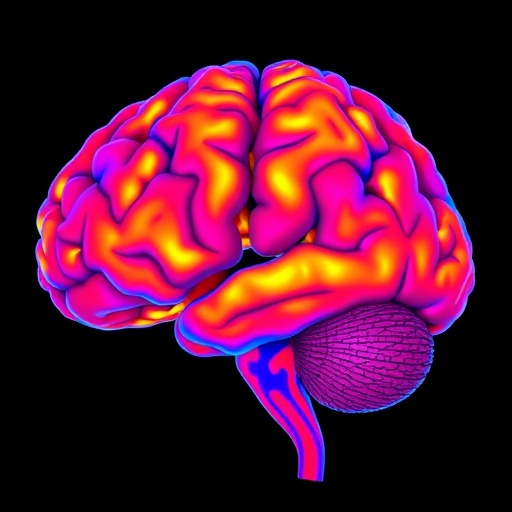
In a groundbreaking advancement that promises to reshape our understanding of the human brain, a team of international scientists has successfully constructed the first comprehensive metabolic connectome of the brain using magnetic resonance spectroscopic imaging (MRSI). This revolutionary approach, detailed in a recent study published in Nature Communications, offers unprecedented insights into the biochemical architecture of the brain, moving beyond traditional anatomical and functional connectivity maps to illuminate the chemical underpinnings of neuronal networks.
Historically, brain research has predominantly focused on mapping structural and functional connections through techniques such as diffusion tensor imaging (DTI) and functional MRI (fMRI). While these modalities reveal the physical pathways and activity patterns, respectively, they fall short in capturing the dynamic metabolic processes that sustain brain function. The new metabolic connectome bridges this gap by leveraging MR spectroscopic imaging, a sophisticated technique that non-invasively measures concentrations of neurochemicals, providing a direct window into the brain’s biochemical milieu.
At the core of this pioneering work is the innovative application of MRSI to decode the spatial distributions of key metabolites across the cerebral landscape. Unlike conventional MRI, which images water molecules to depict anatomical structures, MRSI detects specific metabolites such as N-acetylaspartate (NAA), choline compounds, creatine, glutamate, and myo-inositol. These molecules serve as markers for neuronal health, membrane turnover, energy metabolism, excitatory neurotransmission, and glial activity, respectively, thus enabling a multi-dimensional biochemical map that complements structural and functional insights.
To assemble the metabolic connectome, the researchers acquired high-resolution MRSI data from a significant cohort of healthy individuals, meticulously analyzing regional metabolite concentrations and their interrelationships. By applying advanced computational modeling and network analysis, they identified patterns of co-metabolism across distinct brain regions, revealing how biochemical exchange and metabolic balance contribute to intrinsic brain organization and potentially underpin cognitive processes.
One of the study’s most compelling revelations is the discovery of unique metabolic hubs—regions exhibiting particularly high connectivity through metabolic correlations. These hubs, which partially overlap with known functional hubs from fMRI studies such as the posterior cingulate cortex and prefrontal areas, appear critical for sustaining the brain’s metabolic equilibrium. The findings suggest that metabolic interactions may provide a robust framework for brain resilience and adaptability, offering new perspectives on the substrate of brain plasticity.
Further, the metabolic connectome elucidates the distinct biochemical signatures associated with different functional systems, such as the default mode network, sensory-motor network, and executive control networks. This biochemical differentiation adds a nuanced layer to the integrated understanding of brain networks, illustrating how metabolic demands shape the specialization and interaction of cognitive domains.
Technically, the study overcame several challenges inherent in MRSI, including limited spatial resolution and spectral overlap of metabolites. The team employed advanced spectral fitting algorithms and optimized acquisition protocols, enhancing signal-to-noise ratios and enabling the reliable quantitation of multiple neurochemicals simultaneously. This technical refinement paves the way for broader applications of MRSI in neuroscience research and clinical diagnostics.
The implications of constructing a metabolic connectome extend far beyond foundational neuroscience. By providing biomarkers sensitive to metabolic dysfunction, this approach holds significant promise for understanding neurodegenerative diseases, psychiatric disorders, and brain injuries, where metabolic dysregulation plays a crucial role. Early detection, monitoring disease progression, and assessing therapeutic responses could all be revolutionized by integrating metabolic connectivity into clinical practice.
Moreover, the metabolic connectome opens new avenues for investigating brain energetics in health and disease. For example, abnormalities in glutamate-glutamine cycling or impaired creatine metabolism, detectable through this metabolic framework, might elucidate pathophysiological mechanisms in conditions like epilepsy, schizophrenia, and Alzheimer’s disease. Thus, this comprehensive biochemical map constitutes a powerful tool for linking molecular pathology to system-level brain dysfunction.
The researchers also highlight the potential for longitudinal studies using metabolic connectomics to track developmental and aging-related changes in brain metabolism. Understanding how metabolic connectivity evolves from childhood through senescence could yield vital insights into critical periods of vulnerability or resilience, informing preventive strategies and personalized interventions.
Additionally, the metabolic connectome offers a unique platform for multimodal integration. By combining metabolic data with structural, functional, and molecular imaging, scientists can achieve a holistic portrayal of brain organization, encompassing anatomical pathways, dynamic network activity, biochemical microenvironment, and genetic influences. This integrated model promises a paradigm shift in the conceptualization of brain networks.
From a technical standpoint, the application of artificial intelligence and machine learning techniques to analyze metabolic connectome data is an exciting frontier highlighted by the study. These computational tools can uncover subtle metabolic patterns, classify brain states, and predict outcomes with enhanced accuracy, accelerating the discovery of novel biomarkers and therapeutic targets.
While the current study establishes a foundational map from a healthy population, future research aims to extend the metabolic connectome framework to diverse clinical groups, exploring the metabolic correlates of cognitive impairment, mental illness, and neurovascular disorders. Such translational efforts will facilitate precision medicine approaches tailored to metabolic phenotypes.
In conclusion, the construction of the human brain metabolic connectome via MR spectroscopic imaging represents a landmark stride in neuroscience. By providing a comprehensive biochemical cartography of the brain’s metabolic landscape, this innovative methodology enriches our understanding of cerebral organization and function. It paves the way for novel diagnostic tools, therapeutic targets, and integrative brain models that collectively could transform brain health and disease management in the decades to come.
The study by Lucchetti, F., Céléreau, E., Steullet, P., and colleagues ushers in a new era of brain mapping—one where chemistry and connectivity converge to unravel the mysteries of human cognition, behavior, and pathology with unparalleled depth and precision.
Subject of Research: Construction and analysis of the human brain metabolic connectome using MR spectroscopic imaging to reveal the biochemical organization of the brain.
Article Title: Constructing the human brain metabolic connectome with MR spectroscopic imaging reveals cerebral biochemical organization.
Article References:
Lucchetti, F., Céléreau, E., Steullet, P. et al. Constructing the human brain metabolic connectome with MR spectroscopic imaging reveals cerebral biochemical organization. Nat Commun (2025). https://doi.org/10.1038/s41467-025-66124-w
Image Credits: AI Generated
Tags: advanced brain imaging techniquesbiochemical architecture of the brainbrain metabolic connectomecerebral metabolite distributionsmetabolic processes in neuroscienceMR imaging vs traditional techniquesMR spectroscopic imagingN-acetylaspartate imagingneurochemical concentrations measurementneuroscience research advancementsnon-invasive brain research methodsunderstanding neuronal networks