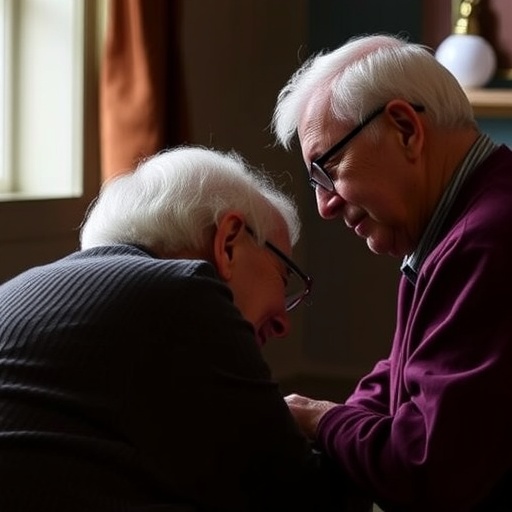
Exploring the Concept of a “Friendly Relationship to Death” in Geriatric Patients
In the modern landscape of healthcare, the conversation surrounding death and dying has gained significant attention. As society continues to grapple with an aging population, there is an increasing emphasis on understanding the emotional and psychological factors that influence how older adults relate to the end of life. Recent research by Raboti, Rösler, Lindner, and their colleagues delves into this complex subject by exploring what it means to have a “friendly relationship to death.” This term refers not only to acceptance of mortality but also to an understanding that positions death as a natural part of life’s cycle. With their research published in BMC Geriatrics, the findings shed light on how such attitudes can be cultivated and the implications for patient care in geriatric settings.
The older population is often confronted with the reality of mortality, which can evoke a spectrum of emotions ranging from fear and anxiety to acceptance and peace. This research seeks to demystify the notion of death, making it a topic that geriatric patients can approach without trepidation. The idea is that fostering a friendly understanding of death can lead to healthier emotional outcomes and better quality of life for elderly individuals. The researchers examined various psychological frameworks to contextualize their findings, with a focus on how these concepts can be integrated into clinical practice.
A noteworthy finding of the study is that geriatric patients who possess a friendly relationship with death tend to experience less anxiety regarding end-of-life issues. This can be attributed to a more profound sense of purpose and meaning in their lives, leading to a more peaceful acceptance of their mortality. By promoting discussions around the subject, healthcare providers can play a critical role in steering patients away from fear and towards a place of understanding and acceptance. This perspective is essential in geriatric medicine, where discussions about advance care planning, palliative care, and hospice options can often be fraught with emotion.
Moreover, integrating discussions about death into routine care can empower older adults to express their wishes regarding end-of-life choices. The research suggests that when patients feel they can communicate openly about their fears, desires, and expectations surrounding death, they are more likely to experience comfort and less distress as they near the end of their lives. This proactive approach not only benefits patients but also helps family members and caregivers who may feel overwhelmed or unsure about how to address these sensitive topics.
The study also highlighted the cultural dimensions influencing attitudes toward death among geriatric patients. Different societies have varied beliefs and practices regarding end-of-life care and mourning. Understanding these cultural implications is paramount for healthcare providers. By respecting and acknowledging the diverse perspectives that older adults may bring to their relationship with death, care teams can create tailored dialogues that resonate more deeply with patients, ultimately fostering trust and rapport.
Research has shown that patients who engage in end-of-life dialogues with empathetic healthcare professionals report an enhanced sense of well-being. This suggests that the establishment of a friendly relationship with death is not simply a personal journey but a collaborative process where healthcare providers act as facilitators. Empathy, active listening, and the provision of genuine reassurance can contribute to transforming patients’ fears into acceptance. For caregivers, this can translate into more personalized care plans that align with the patient’s values and preferences.
An intriguing aspect of the research is the role of spirituality and philosophy when it comes to understanding mortality. Many geriatric patients draw upon their spiritual beliefs to help them cope with the realities of aging and dying. The researchers found that those with a well-defined spiritual framework are more likely to cultivate a friendly relationship with death. This correlation points toward the need for healthcare providers to consider the spiritual dimensions of patient care by incorporating discussions about spirituality into end-of-life conversations.
The study also suggests that supportive therapies, such as mindfulness and narrative therapy, can assist individuals in shaping a more amicable understanding of death. Mindfulness practices encourage patients to live in the present moment, minimizing anxiety about the unknown. Similarly, narrative therapy can allow individuals to reframe their understanding of their life stories, including their relationship with death. Helping geriatric patients articulate their fears and desires through these therapeutic approaches can lead to transformative changes in their outlook on mortality.
Moreover, the importance of community support in fostering a friendly relationship with death cannot be understated. Engagement with peers, family members, and support groups enables older adults to feel less isolated in their experiences. It provides a safe space for sharing thoughts and feelings that may otherwise be repressed. Health professionals are encouraged to facilitate such connections, whether through community programs or in clinical settings, recognizing that these social ties can profoundly influence patients’ acceptance of their mortality.
The research also addresses challenges that arise when discussing death with geriatric patients. Many individuals may resist such discussions out of fear of appearing morbid or inviting negative energy into their lives. It is crucial that healthcare providers approach the subject with sensitivity and respect, utilizing language that promotes open dialogue rather than eliciting fear. Educating clinicians about how to talk about death effectively can empower them to initiate these conversations with greater confidence and compassion.
Ultimately, fostering a “friendly relationship with death” is about reframing perceptions and adjusting attitudes. It acknowledges death as an integral part of life, a theme present in numerous cultural and philosophical narratives throughout history. By cultivating this mindset, healthcare providers can significantly impact how geriatric patients approach their own mortality and, by extension, lead more fulfilling lives even in the face of inevitable decline.
In conclusion, the research by Raboti et al. serves as a significant contribution to the field of geriatric medicine, offering insights into the interplay between patients’ perceptions of death and their overall well-being. By creating an environment where discussions about death are normalized and approached with care, healthcare professionals can help patients embrace life even as they prepare for its end. Through empathy, open communication, and supportive practices, it is possible to cultivate a community of individuals who view death not as an adversary but as a natural part of their journey.
Subject of Research: The interplay between emotional well-being and perceptions of death among geriatric patients.
Article Title: Exploring the concept of a “friendly relationship to death” in geriatric patients.
Article References:
Raboti, Z., Rösler, A., Lindner, R. et al. Exploring the concept of a “friendly relationship to death” in geriatric patients.
BMC Geriatr (2025). https://doi.org/10.1186/s12877-025-06670-6
Image Credits: AI Generated
DOI:
Keywords: geriatric patients, end-of-life care, friendly relationship with death, emotional well-being, palliative care, spirituality, mindfulness, narrative therapy.
Tags: acceptance of mortality among seniorscultivating positive attitudes towards dyingdemystifying death for seniorsemotional factors in end-of-life careexploring mortality in older adultsfriendly relationship to death in elderlygeriatric patients perspectives on deathimplications for patient care in geriatricsimproving emotional outcomes in elderlypsychological aspects of aging and deathresearch on death and agingunderstanding death as a natural part of life