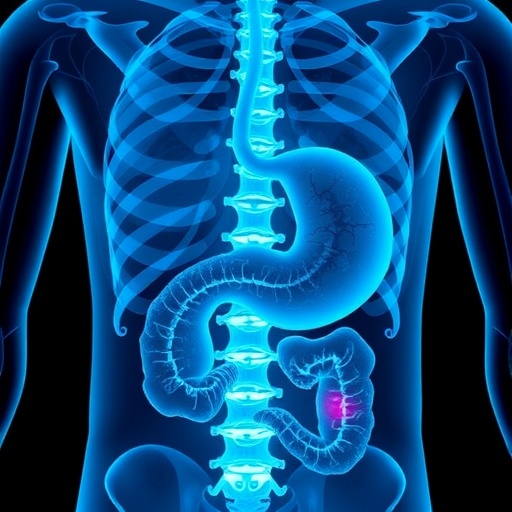
In the ever-evolving landscape of cancer treatment, the emergence of targeted therapies offers a glimmer of hope for patients battling advanced gastric cancer. Among these innovative approaches is zolbetuximab, an antibody aimed at claudin 18 isoform 2 (CLDN18.2), which has recently garnered attention for its safety and efficacy when combined with traditional chemotherapy. A seminal study, reported by Shimozaki et al., shines a light on the real-world experiences of patients undergoing this novel treatment, highlighting the potential advantages of zolbetuximab in treating this formidable disease.
Cancers of the stomach account for a significant health burden worldwide, with advanced gastric cancer often presenting a dire prognosis. The claudin family of proteins, particularly claudin 18 isoform 2, has been implicated in the pathogenesis of gastric cancer, making it an attractive target for therapeutic agents. Zolbetuximab operates by harnessing the immune system’s ability to recognize and attack cancer cells expressing this particular isoform, which is prevalent in a subset of gastric tumors. This targeted strategy is not only designed to enhance treatment efficacy but also to potentially minimize the adverse effects commonly associated with conventional chemotherapy regimens.
The study conducted by Shimozaki and colleagues represents an initial exploration into the practical application of zolbetuximab in a real-world setting, as opposed to the controlled environment of clinical trials. By analyzing patient outcomes, safety profiles, and treatment tolerability, the researchers sought to validate the findings of previous studies which underscored the promise of this combination therapy. The insights gleaned from real-world data are invaluable, as they provide a more nuanced understanding of how treatments perform across diverse patient populations, reflecting variations due to factors such as comorbidities, age, and environmental influences.
In the initial report, Shimozaki et al. presented a cohort of patients diagnosed with CLDN18.2-positive advanced gastric cancer who received zolbetuximab in conjunction with chemotherapy. The researchers assessed not only the reduction in tumor burden but also the resultant quality of life improvements. Early findings indicated promising results, with a notable proportion of patients experiencing positive therapeutic outcomes, including reduced tumor size and extended progression-free survival. This information offers hope for enhancing treatment strategies where conventional therapies fall short.
Safety analyses are a vital component of understanding the broader impacts of any therapeutic regimen. The study meticulously documented adverse events tied to the zolbetuximab and chemotherapy combination, providing critical safety information that could guide clinical decision-making. Importantly, the data indicated that the profile of side effects was manageable and comparable to that of established chemotherapy regimens. These findings could encourage oncologists to consider zolbetuximab as a viable option for patients who may not tolerate existing treatments.
Moreover, the integration of zolbetuximab into treatment plans raises the question of how this therapy could fit within broader clinical protocols. Enhanced understanding of specific biomarkers, such as the presence of CLDN18.2, underpins the personalized medicine approach that is rapidly gaining traction within oncology. Tailoring treatments based on individual genetic and molecular characteristics could lead to improved patient outcomes and a more strategic allocation of healthcare resources.
The implications of this research extend beyond immediate patient care. It raises vital questions about the collaboration between pharmaceutical innovation and clinical research. Continued investment in targeted therapies like zolbetuximab will create pathways for additional studies that further our understanding of effective cancer treatments. The need for sustained funding in cancer research is crucial, as the landscape is filled with unexplored potential that warrants rigorous investigation.
As findings continue to emerge, it is essential for the broader medical community to engage with this data. Practitioners, researchers, and healthcare providers must collaborate to disseminate findings from studies like Shimozaki et al.’s, sharing insights that can inform treatment protocols and patient management strategies. Community engagement at conferences, workshops, and through professional journals will facilitate knowledge transfer and inspire further exploration into effective cancer management techniques.
In conclusion, the initial report from Shimozaki and colleagues serves as a landmark in our understanding of zolbetuximab’s role in treating advanced gastric cancer. The combination of this targeted therapy with chemotherapy presents an exciting frontier in oncology, offering hope to a patient population that has few effective options. While challenges remain, the results of this study highlight the ongoing need for innovative approaches to combat cancer, emphasizing the importance of integrating newer therapies into existing treatment paradigms. As future research unfolds, the collective focus must remain on translating scientific discoveries into tangible benefits for patients, ensuring that advancements in the field of oncology lead to improved survival rates and enhanced quality of life.
The journey of understanding and improving treatments for advanced gastric cancer is far from over; however, reports of initial successes with zolbetuximab signal a positive direction. As the medical field continues to evolve, we can anticipate further advancements that could revolutionize how we approach gastric cancer therapy, ultimately contributing to a future where such a diagnosis is manageable and survivable. The exploration of targeted therapies not only represents a scientific breakthrough but also embodies the hope of countless patients and families affected by this harsh disease.
Subject of Research: Advanced gastric cancer treatment with zolbetuximab
Article Title: Safety and efficacy of zolbetuximab plus chemotherapy for claudin 18 isoform 2-positive advanced gastric cancer: initial report of real-world experience.
Article References:
Shimozaki, K., Ooki, A., Fukuoka, S. et al. Safety and efficacy of zolbetuximab plus chemotherapy for claudin 18 isoform 2-positive advanced gastric cancer: initial report of real-world experience.
J Cancer Res Clin Oncol 152, 16 (2026). https://doi.org/10.1007/s00432-025-06406-4
Image Credits: AI Generated
DOI: https://doi.org/10.1007/s00432-025-06406-4
Keywords: Zolbetuximab, Advanced gastric cancer, CLDN18.2, Targeted therapy, Chemotherapy, Patient outcomes, Safety profile, Real-world experience, Oncology research, Personalized medicine
Tags: advanced gastric cancer treatmentchemotherapy and zolbetuximab combinationclaudin family proteins in cancerimmune system targeting cancer cellsinnovative cancer treatment approachesminimizing chemotherapy side effectsnovel antibody therapies for cancerprognosis for advanced gastric cancerreal-world patient experiences gastric cancersafety and efficacy of zolbetuximabtargeted therapies for gastric cancerzolbetuximab claudin 18 isoform 2 therapy