The realm of autism research continues to unfold new dimensions, revealing intricate relationships between various physiological and psychological factors affecting children and adolescents on the spectrum. A pivotal study titled “Correction: Autism Spectrum Disorder: Sleep Characteristics in Children and Adolescents, and Their Relationship with Probable Sleep Bruxism, Anxiety, and Cortisol and Melatonin Levels—A Cross-Sectional Study of Children in Brazil,” conducted by Lotito, Pinto, and Alves, provides promising insights into how sleep patterns intertwine with mood and stress indicators in a specific demographic—Brazilian youth diagnosed with Autism Spectrum Disorder (ASD).
Sleep is often an overlooked facet in the multifaceted landscape of autism. Sleep-related issues in children with ASD are prevalent, and the consequences of such disruptions can significantly impact their daily functionality, emotional well-being, and overall quality of life. This study delves into the sleep characteristics of these children, aiming to draw connections between sleep patterns and potential comorbid conditions such as anxiety, sleep bruxism, cortisol, and melatonin levels.
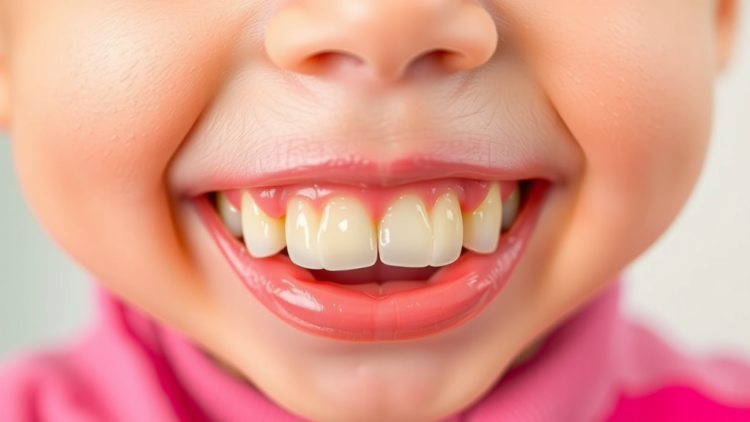
The researchers employed a cross-sectional methodology, collecting data from a diverse group of children diagnosed with ASD. This approach allowed for a comprehensive analysis of sleep quality and its correlation with other physiological and psychological measures. Sleep bruxism, characterized by the involuntary grinding or clenching of teeth, can serve as a visible symptom of underlying anxiety or stress, which is not uncommon among those with autism. The authors highlight how this behavior can exacerbate sleep disturbances, creating a vicious cycle that complicates an already challenging condition.
Central to the understanding of sleep disorders in autism is the role of two critical hormones: cortisol and melatonin. Cortisol, known as the stress hormone, often has elevated levels in individuals experiencing anxiety. In contrast, melatonin regulates the sleep-wake cycle, promoting restful sleep. The research findings suggest an intricate ballet between these hormones and the children’s nocturnal experiences. For many on the autism spectrum, disturbances in this balance may lead to persistent difficulties in both falling and staying asleep.
The implications of this study extend beyond mere academic interest. For families and caregivers, understanding the sleep dynamics of children with ASD can guide intervention strategies that may alleviate some of the discomfort associated with sleep disturbances. Strategies such as creating a calming bedtime routine or adjusting environmental factors, like reducing screen time before bed, could make substantial differences in their sleep quality.
Moreover, the community of healthcare professionals working with autistic children should be cognizant of these sleep challenges. Addressing sleep quality may not only improve nighttime rest but may also enhance daytime functioning and emotional regulation. This study pioneers a significant avenue for future research by encouraging interdisciplinary collaboration among sleep specialists, psychologists, and pediatricians.
The relationship between sleep and anxiety cannot be overemphasized, particularly in the context of children with ASD. Elevated anxiety levels may hinder their capacity to relax and fall asleep, while poor sleep may further exacerbate anxiety symptoms. The researchers advocate for a comprehensive approach that recognizes the reciprocal nature of these conditions, underscoring the importance of addressing both sleep and anxiety in therapeutic settings.
Furthermore, the findings contribute to discussions surrounding behavioral therapies. Interventions that address sleep hygiene could potentially result in favorable outcomes not only in sleep quality but also in associated anxiety levels. This thread of research opens doors to exploring non-pharmacological solutions for managing some of the behavioral challenges linked to ASD.
Parents and guardians may find richness in the study’s recommendations, as simple yet effective strategies can be employed at home to improve both sleep and general well-being. Encouraging a structured sleep environment, practicing relaxation techniques, and understanding the signs of sleep bruxism are practical steps they can take. The combination of parent education and targeted interventions may also harness better sleep outcomes and facilitate a more peaceful home environment.
This research stands as a crucial call to action, urging continued exploration into the sleep-affecting variables surrounding autism. It underscores how vital it is for the medical community to heed and address these issues as they become increasingly visible in public discourse. As awareness grows, so too does the urgency for actionable solutions that can be disseminated widely.
It cannot be ignored that cultural and socio-economic factors play a role in understanding autism and its associated challenges. In Brazil, for instance, the study reflects a unique sociocultural landscape that influences the perceptions and treatments of autism. Global considerations must inform future research, ensuring comprehensive understandings that account for diversity across populations.
As we move forward, preserving and expanding attention on this subject will yield critical advancements in autism research. Integrating findings related to sleep, anxiety, cortisol, and sleep bruxism can help lay the groundwork for holistic treatment plans that encompass all facets of a child’s life. This study illuminates the responsible approach to children with autism, signifying that better sleep could lead to brighter days ahead for those affected.
The connectivity between sleep and mental health in autism spectrum disorder is indeed a captivating frontier. As researchers like Lotito et al. continue to unveil these complexities, the scientific community must galvanize to support ongoing efforts to improve life quality in affected individuals. Bridging gaps between research and practical applications will ultimately empower families and enhance the psychosocial dimensions of autism care.
Through insightful investigations, such as this vital study, we can begin to appreciate the interconnected web of biological and psychological factors contributing to autism discourse. The future looks promising as we aim together toward better understanding and improved health outcomes for children with autism spectrum disorder across the globe.
Subject of Research: Autism Spectrum Disorder and Sleep Characteristics in Children and Adolescents
Article Title: Correction: Autism Spectrum Disorder: Sleep Characteristics in Children and Adolescents, and Their Relationship with Probable Sleep Bruxism, Anxiety, and Cortisol and Melatonin Levels—A Cross-Sectional Study of Children in Brazil.
Article References:
Lotito, M.C.F., Pinto, A.C.T., Alves, L.C. et al. Correction: Autism Spectrum Disorder: Sleep Characteristics in Children and Adolescents, and Their Relationship with Probable Sleep Bruxism, Anxiety, and Cortisol and Melatonin Levels—A Cross-Sectional Study of Children in Brazil.
J Autism Dev Disord (2025). https://doi.org/10.1007/s10803-025-07147-6
Image Credits: AI Generated
DOI: 10.1007/s10803-025-07147-6
Keywords: Autism Spectrum Disorder, Sleep Characteristics, Sleep Bruxism, Anxiety, Cortisol, Melatonin, Brazilian Children
Tags: Autism Spectrum Disorder sleep characteristicsBrazilian children with ASDcomorbid conditions in autism and sleep issuescortisol and melatonin levels in autismcross-sectional study on sleep in autismemotional well-being in children with autismimpact of sleep disruptions on daily functionalitypsychological factors affecting sleep in childrenresearch on sleep and autism spectrum disordersleep bruxism in children with autismsleep patterns in children with autismsleep quality and anxiety in ASD