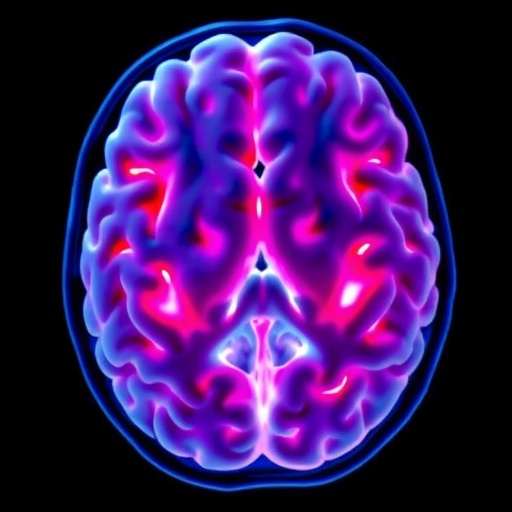
In recent years, glioblastoma multiforme (GBM) has remained one of the most devastating and treatment-resistant forms of brain cancer. Despite aggressive therapeutic approaches combining surgery, radiation, and chemotherapy, patient prognosis has stagnated, resulting in a median survival time rarely exceeding 15 months. As a result, oncologists and researchers have increasingly turned their attention to adjunctive strategies that could potentiate standard treatment efficacy. Among these emerging modalities, ketogenic metabolic therapy (KMT) has garnered substantial interest due to its potential to exploit the altered metabolic profile characteristic of cancer cells, particularly in aggressive brain tumors like glioblastoma.
Ketogenic metabolic therapy is a high-fat, low-carbohydrate dietary intervention aimed at shifting cellular metabolism from glycolysis-dependent energy production towards fatty acid oxidation and ketone utilization. This metabolic reprogramming induces a systemic state of ketosis, whereby ketone bodies replace glucose as the primary fuel substrate. Tumor cells, especially glioblastoma cells, exhibit a high dependency on glucose metabolism, known as the Warburg effect, rendering them vulnerable to glucose restriction. This vulnerability forms the biochemical rationale underpinning KMT’s proposed mechanism to selectively stress cancer cells while sparing normal brain tissue.
The systematic review authored by McKerill et al., published in Medical Oncology in early 2026, meticulously collates and analyzes data from multiple clinical trials that incorporated KMT as an adjunct to standard care in glioblastoma treatment. The synthesis of results across these studies provides compelling evidence regarding both the safety profile and therapeutic potential of ketogenic interventions. Critically, the review highlights consistent trends indicating that patients adhering to ketogenic metabolic therapy alongside standard chemotherapy and radiotherapy exhibit improved outcomes, including prolonged progression-free survival and increased overall survival rates.
One of the remarkable findings discussed concerns the biochemical impact of ketogenic therapy on tumor microenvironments. Glucose deprivation imposed by KMT starves GBM cells of their preferred energy source, thereby amplifying oxidative stress within the tumor. Concurrently, ketone bodies appear to support normal neuronal metabolism and enhance mitochondrial efficiency in healthy brain cells, contributing to neuroprotection during intensified oncologic treatments. This dual metabolic targeting underlines the promise of KMT in reshaping cancer treatment paradigms beyond cytotoxic strategies.
Moreover, the review takes a critical look at the clinical implementation challenges associated with KMT. Adherence to a strict ketogenic diet can be demanding for patients, and variations in dietary protocols across trials introduce heterogeneity in therapeutic outcomes. The authors underscore the necessity for standardized dietary regimens and the integration of metabolic monitoring technologies to optimize patient compliance and therapeutic efficacy. Future clinical designs are urged to incorporate robust metabolic biomarkers to quantify patient ketosis levels and correlate these with clinical endpoints.
In addition to metabolic modulation, the systematic review sheds light on the immune-modulatory effects of ketogenic therapy. Emerging preclinical data, complemented by early-phase clinical trials, suggest that KMT may enhance antitumor immune responses by reducing systemic inflammation and promoting immune cell infiltration within the tumor microenvironment. This immunological facet adds a new dimension to the therapeutic landscape, potentially augmenting the effectiveness of immunotherapies currently under exploration for glioblastoma.
Importantly, the review addresses safety considerations pertinent to the integration of ketogenic therapy in oncological settings. Across surveyed trials, KMT was generally well tolerated, with reported adverse events mostly limited to manageable gastrointestinal disturbances and transient metabolic imbalances. The authors emphasize the relevance of medical oversight and individualized dietary adjustments to mitigate risks, particularly in patients with comorbidities such as diabetes or dyslipidemia.
The review also contrasts the ketogenic approach against other metabolic interventions, such as calorie restriction and intermittent fasting, which likewise aim to modulate tumor metabolism. While these alternative strategies display promising preclinical results, KMT’s advantage lies in its well-established clinical safety profile and feasibility in sustained application. Furthermore, the potential synergistic effects of combining KMT with emerging pharmacological agents targeting metabolic checkpoints represent an exciting frontier for future research.
A significant portion of the analysis is devoted to the molecular underpinnings of glioblastoma’s metabolic vulnerabilities. Mutations in key oncogenes and tumor suppressor genes reprogram cellular energetics, rendering GBM cells reliant on enhanced glycolytic flux and glutamine metabolism. Ketogenic metabolism creates a metabolic environment hostile to these adaptations by reducing glycolytic substrates and elevating systemic ketone levels, potentially destabilizing tumor growth dynamics and sensitizing cancer cells to adjunctive therapies.
The clinical trials reviewed encompass a spectrum of study designs, including randomized controlled trials and observational cohorts. Despite varying sample sizes and intervention durations, the cumulative data underscore a trend toward improved quality of life metrics among patients receiving KMT adjunctively. Reported benefits include reduced treatment-related fatigue, cognitive symptom stabilization, and maintenance of muscle mass. These findings are critical as improving quality of life remains a paramount goal in glioblastoma management.
Nevertheless, McKerill et al. call attention to the limitations inherent in current evidence, emphasizing the need for large-scale, multicenter randomized trials with uniform ketogenic protocols to definitively ascertain efficacy and optimize therapeutic timing. They advocate for mechanistic studies employing advanced metabolomics and imaging to unravel the precise biological effects of KMT at cellular and systemic levels, facilitating precision medicine approaches tailored to individual tumor metabolic profiles.
The review concludes by positioning ketogenic metabolic therapy not as a standalone cure but as a potent adjuvant capable of enhancing the activity and tolerability of existing standard-of-care modalities. Its capacity to exploit fundamental metabolic dependencies represents a paradigm shift in targeted cancer therapy, especially for notoriously refractory malignancies such as glioblastoma. As the oncology community embraces integrative treatment strategies, KMT stands poised to become a cornerstone of adjunctive therapy deserving rigorous clinical validation.
This comprehensive analysis by McKerill and colleagues serves as a clarion call to harness the metabolic vulnerabilities of glioblastoma through ketogenic interventions. By merging the disciplines of metabolism, immunology, and oncology, their systematic review paves the way toward more efficacious and personalized treatments that may ultimately extend survival and improve life quality for patients besieged by this formidable disease.
Subject of Research: Efficacy of ketogenic metabolic therapy as an adjuvant treatment in glioblastoma.
Article Title: Efficacy of ketogenic metabolic therapy as an adjuvant to the current standard of care in the treatment of glioblastoma: A systematic review of clinical trials.
Article References:
McKerill, E., Tan, J.K., Rao, C.K. et al. Efficacy of ketogenic metabolic therapy as an adjuvant to the current standard of care in the treatment of glioblastoma: A systematic review of clinical trials. Med Oncol 43, 49 (2026). https://doi.org/10.1007/s12032-025-03165-7
Image Credits: AI Generated
DOI: https://doi.org/10.1007/s12032-025-03165-7
Tags: adjunctive cancer therapiesalternative therapies for brain tumorseffects of ketosis on tumor cellsenhancing chemotherapy with ketogenic dietglioblastoma multiforme treatment strategieshigh-fat low-carbohydrate diet for cancerketogenic metabolic therapy for glioblastomametabolic reprogramming in cancerpatient prognosis in brain cancerrecent advancements in glioblastoma therapysystemic ketosis and cancer treatmentWarburg effect in glioblastoma