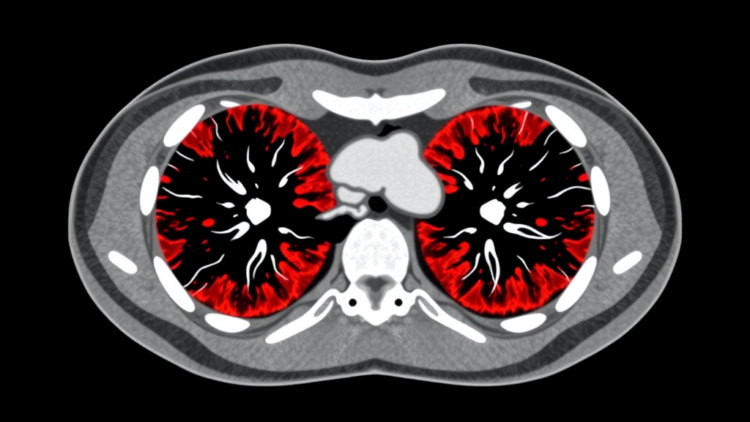
In the ever-evolving realm of pediatric radiology, a compelling narrative has emerged that casts light on the hidden burdens professionals face in an increasingly image-intensive environment. A new study, meticulously conducted over the span of two decades, examines the sharp rise in the number of images captured per study in pediatric radiology. This retrospective time-trend analysis, authored by Lu, Stein, Cancelliere, and their colleagues, reveals critical insights that could have profound implications for the practice of radiology as well as patient care.
The study’s findings highlight a disturbing trend: the exponential increase in imaging volumes has led to an unrecognized escalation in workload for radiologists specializing in pediatric care. This uptick is not merely quantitative; it poses a substantial threat to the quality of interpretations that radiologists provide. As the demand for more images per study grows, radiologists find themselves grappling with the challenge of maintaining accuracy and thoroughness under increasingly tight time constraints. This research underscores a vital yet often overlooked aspect of medical practice – the notion of hidden workload.
Radiologists typically manage numerous studies daily, and the incremental addition of images not only amplifies the time needed for review but also heightens the cognitive load associated with each case. Traditionally, radiologists are trained to interpret images systematically, but with growing complexity due to multitudes of images, this process becomes convoluted. The mental strain that results from juggling larger datasets can lead to fatigue, and ultimately, the risk of diagnostic errors can increase. This raises an imperative call for structural changes in radiology departments to address these hidden workloads.
The implications of the study extend beyond merely acknowledging an increase in images. With the rising prevalence of technology and advanced imaging techniques, such as MRI and CT scans, the pediatric population is more frequently exposed to imaging than ever before. While these technologies contribute to improved diagnosis and treatment planning, they also demand more meticulous oversight than ever due to the sheer volume of information generated. Radiologists must adapt to modern imaging practices, yet they cannot do so effectively while overwhelmed by the ever-increasing workload.
A critical examination of the study also reveals a paradoxical aspect of radiology education. On one hand, educational programs aim to equip budding radiologists with the necessary skills to navigate this complex field. On the other, they often underemphasize the importance of efficient image interpretation in the face of increased volumes. This disconnect calls for a re-evaluation of training methodologies to prepare future radiologists not just with technical knowledge but with strategies to mitigate cognitive load and optimize workflow amidst growing demands.
Moreover, this growing workload is not exclusive to pediatric radiology; it resonates across the medical field. Yet, as pediatric patients are particularly vulnerable due to their developing bodies and unique health needs, understanding this hidden workload in pediatric radiology is crucial for ensuring proper care standards. As such, this study serves as a wake-up call for hospital administration and policymakers to take decisive action aimed at easing the burden on radiologists while ensuring continued high-quality patient care.
The authors advocate for interventions focused on improving workflow and implementing technology-driven solutions to assist radiologists. Here, advancements like artificial intelligence (AI) can play a transformative role, relieving radiologists of some of the repetitive tasks linked with image analysis. By leveraging AI algorithms to flag abnormal findings or assist in prioritizing cases, radiologists could better allocate their cognitive resources to nuanced interpretations that demand human expertise.
Such solutions, while promising, do not preclude the necessity for more comprehensive staffing solutions within radiology departments. Investing in additional personnel who specialize in image processing or preliminary review could help alleviate the stress placed upon radiologists. By redistributing workloads more evenly, teams can enhance diagnostic accuracy and reduce burnout rates among professionals who often face emotional tolls in caring for vulnerable pediatric populations.
As the healthcare landscape continues to evolve, the importance of research such as that conducted by Lu et al. cannot be overstated. Understanding the hidden workloads faced by pediatric radiologists not only reveals crucial insights into the profession but also offers a pathway for systemic change in medical practice. The resultant shift in focus from mere image production to quality interpretation and professional wellbeing would ultimately benefit all stakeholders, especially the young patients dependent on comprehensive, accurate assessments.
In conclusion, the findings of this two-decade longitudinal study shine a well-deserved spotlight on an under-discussed area of pediatric healthcare. Both the radiologists’ workflows and the patient care outcomes stand to benefit from acknowledging and addressing the hidden workload problem. The medical community is called upon to not only appreciate the increasing demands placed upon radiologists but to proactively devise solutions that facilitate constructive change in practice.
Through fostering a culture of awareness and innovation, the healthcare system can adapt to the changing landscape of pediatric radiology while prioritizing the wellbeing of both patients and professionals alike. As we look toward the future, it is essential for radiology departments to harness insights from such studies, ensuring that they are prepared to meet the complex challenges that lie ahead.
Subject of Research: Pediatric radiology workload trends
Article Title: Hidden workload in pediatric radiology: a 20-year retrospective time-trend study of the increasing number of images per study
Article References: Lu, X., Stein, N., Cancelliere, C. et al. Hidden workload in pediatric radiology: a 20-year retrospective time-trend study of the increasing number of images per study. Pediatr Radiol (2025). https://doi.org/10.1007/s00247-025-06482-1
Image Credits: AI Generated
DOI: 10.1007/s00247-025-06482-1
Keywords: pediatric radiology, hidden workload, image volume, diagnostic accuracy, cognitive load, healthcare solutions
Tags: cognitive load in pediatric imaginghidden burdens in medical practiceimaging workload challengesimpact of imaging volume on careimplications of imaging demandincrease in pediatric imagingpediatric healthcare imaging practicespediatric radiology trendsquality of radiological interpretationsradiologist workload managementretrospective study in radiologytime constraints in radiology