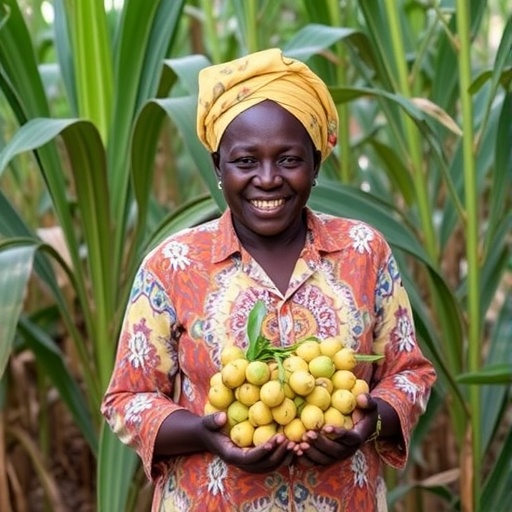
In recent years, the significance of neglected and underutilized food crops has gained momentum within agricultural discussions, particularly in the context of food security and biodiversity. In Sierra Leone, the situation regarding these crops has become increasingly precarious. The extensive research conducted by Foday, Wadsworth, Sonda, and their team sheds light on the alarming decline of these crops, which hold immense potential for enhancing the nutritional landscape and economic stability of local communities.
The historical context illuminates why certain crops fell into neglect. Once staples in the diets of many, crops such as millet, fonio, and cowpeas have slowly been overshadowed by more commercially viable varieties, which, although high-yielding, often lack the nutritional diversity that traditionally important crops provided. The researchers emphasize how shifts in farming practices, influenced by globalization and market demands, have led to a reduction in the cultivation of these once-abundant crops.
The research details a series of interviews and surveys conducted within local farming communities, highlighting the attitudes toward these neglected crops. Surprisingly, many farmers expressed a nostalgic connection to these crops but simultaneously acknowledged their struggles to maintain cultivation practices that have been handed down for generations. The research team documents these struggles, bringing forth the voices of farmers who desire to see a revival of these neglected foods for both personal and broader community benefit.
Biodiversity plays a crucial role in ecosystem health, and the researchers argue that the decline of underutilized crops is not merely a local concern; it poses a global risk. The loss of plant genetic diversity can lead to increased vulnerability among food systems, especially as climate change continues to present unpredictable challenges. With altered precipitation patterns and rising temperatures, diverse crops might be better suited to withstand these shifts compared to singularly grown, high-yield varieties.
Moreover, the economic implications of neglecting these crops cannot be understated. The team reveals findings indicating that integrating underutilized food crops into local markets could bolster community resilience and provide new income channels for farmers. By generating demand for these crops through appropriate marketing strategies and education, there exists a path towards revitalization, infusing local economies with much-needed diversity.
Educational interventions are another key aspect discussed in the research. The authors advocate for training programs that focus on both the agronomic value and culinary potential of these neglected species. If farmers and communities can be equipped with knowledge about the nutritional benefits and market opportunities, then there could be a renewed interest in cultivating and consuming these crops. The researchers note that culinary traditions around these crops have not only nutritional merit but also play a significant role in cultural identity.
Climate-smart agriculture is one approach discussed in the study, highlighting the importance of sustainable practices to enhance the resilience of farming systems. Integrating neglected crops into agroecological practices presents a multifaceted strategy to improving food security while honoring traditional farming methods. The researchers urge policymakers to consider these crops within broader agricultural policies, advocating for their inclusion in national strategies that aim to improve food systems holistically.
Furthermore, the implications of this decline extend into social dimensions. The loss of endowed traditional knowledge surrounding these crops can exacerbate intergenerational divides. The researchers emphasize the need for intergenerational knowledge transfer, as younger farmers often turn away from these crops in favor of modern agricultural trends. By documenting and promoting traditional practices, communities can foster a greater appreciation for these neglected crops among younger generations.
The study also delves into the potential for partnerships between government bodies, NGOs, and local farmers to catalyze change. Collaborative efforts could elevate the profile of neglected crops through community gardens, culinary contests, or local food festivals. The researchers illustrate how these activities not only promote the crops themselves but also foster community spirit and collective pride in local foods.
In conclusion, the study by Foday et al. is a vital contribution to understanding the decline of neglected and underutilized food crops in Sierra Leone. It highlights the urgent need to shift perceptions about these crops not only as remnants of the past but as integral components of a resilient and sustainable future. Through continued research, dialogue, and community engagement, there is hope for revitalizing the agricultural landscape that once thrived on these underappreciated species.
This compelling investigation emphasizes the importance of collective action in addressing the challenges faced by neglected crops. By focusing on education, collaboration, and the sustainable integration of these crops into everyday life, the research team advocates for an agricultural renaissance that honors both tradition and innovation, ensuring that these vital foods do not vanish into obscurity.
The cry for attention to neglected food crops represents not just a local issue but one that resonates globally, urging us to rethink our food systems in ways that promote diversity, resilience, and sustainability. The journey towards revitalizing these crops is not merely a matter of nostalgia; it is a critical step towards securing food justice and enhancing the health of communities worldwide.
As the dialogue continues surrounding agriculture’s future, this research serves as a compelling reminder that the past may hold the keys to solving present and future challenges. By acknowledging and reinvigorating the legacy of neglected crops, there lies a substantial opportunity to foster sustainable practices while also celebrating the rich tapestry of global agricultural heritage.
Subject of Research: The decline of neglected and underutilized food crops in Sierra Leone.
Article Title: Exploring the decline of neglected and underutilized food crops in Sierra Leone.
Article References:
Foday, S., Wadsworth, R., Sonda, T.S. et al. Exploring the decline of neglected and underutilized food crops in Sierra Leone.
Discov Agric 3, 267 (2025). https://doi.org/10.1007/s44279-025-00442-x
Image Credits: AI Generated
DOI: https://doi.org/10.1007/s44279-025-00442-x
Keywords: neglected crops, food security, biodiversity, sustainable agriculture, Sierra Leone.
Tags: biodiversity and food securityeconomic stability through crop diversityglobalization impact on agriculturehistorical decline of staple cropslocal farming communities’ attitudesmillet fonio cowpeas cultivationneglected food cropsnutritional diversity in dietsreviving traditional agriculture practicesSierra Leone food crop heritagetraditional farming practicesunderutilized crops in agriculture