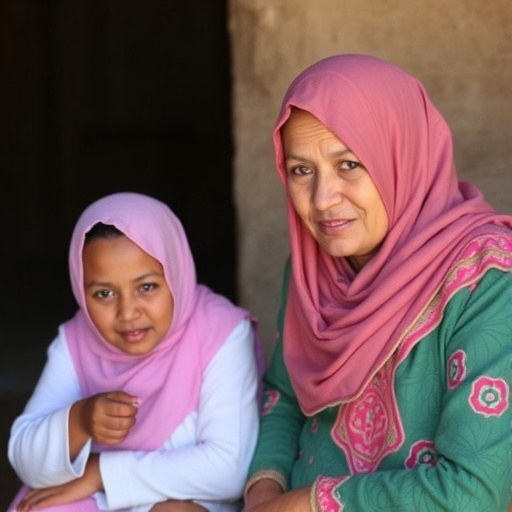
Exploring the Challenges and Triumphs of Universal Health Coverage in Egypt: A Stakeholders’ Perspective
In recent years, the discourse surrounding Universal Health Coverage (UHC) has gained significant momentum, particularly in low- and middle-income countries seeking to enhance health outcomes and equity among their populations. Among these nations, Egypt stands out with its ambitious goals to implement UHC, a complex endeavor that requires collaboration among various stakeholders, including government officials, healthcare providers, and community members. A recent study led by Hammad, Fouad, and Aboushady, published in Health Research Policy and Systems, investigates the intricacies of this implementation through the eyes of key stakeholders, revealing both the obstacles encountered and the successes achieved thus far.
The study underscored the importance of stakeholder input in crafting policies that genuinely reflect the needs of the population. The research aimed to glean insights from a diverse array of participants, ensuring that the resultant findings would be comprehensive and nuanced. By employing qualitative methods, the researchers were able to draw upon detailed personal narratives, essentially breathing life into statistical data that typically dominates discussions about health policy. This qualitative approach provided an invaluable framework for understanding the complexities of UHC from the perspectives of those who are directly affected by it.
Participants in the study articulated their experiences with the existing healthcare system in Egypt, shedding light on both the strengths and weaknesses they perceive. One central theme that emerged from these discussions was the critical necessity for clear communication between the government and the populace. Stakeholders voiced concerns that without transparent dialogue, mistrust and misinformation could flourish, ultimately undermining the very goals of UHC. This highlights the pressing need for health authorities to engage actively with communities to foster a sense of ownership and encourage public buy-in for health initiatives.
Additionally, the study revealed that many stakeholders felt inadequately informed about the specifics of UHC implementation. This gap in knowledge has led to confusion and apprehension regarding what the new healthcare model will mean for individual patients and practitioners alike. As one participant succinctly noted, understanding the intricacies of UHC is essential if we are to genuinely shift our healthcare paradigm towards access and equity. The call for exhaustive public education and outreach efforts was echoed throughout the discussions, signaling a potential area for future improvement.
Moreover, the researchers identified several barriers that delay or obstruct the implementation process. Fundamental among these challenges are issues related to resource allocation, workforce training, and infrastructure deficits. Many stakeholders pointed to the existing disparities in healthcare quality between urban and rural areas as particularly problematic. The lack of adequate facilities and trained personnel in rural regions presents significant hurdles for equitable healthcare access. It’s apparent that addressing these disparities is not merely a logistical challenge, but a moral imperative that needs urgent attention to fulfill the promise of UHC.
Throughout the discussions, stakeholders also articulated instances of success within the healthcare system that could be leveraged to facilitate UHC. Examples of innovative practices and successful community health initiatives were cited as pivotal in promoting equitable access to healthcare services. These success stories serve as powerful reminders of what is possible through collaborative efforts and can provide invaluable blueprints for scaling up UHC initiatives in Egypt.
As the study closed, the authors emphasized the importance of continuous feedback loops between stakeholders and policymakers. The narrative surrounding UHC should not be static; rather, it should evolve based on ongoing stakeholder experiences and observations. This iterative approach allows for real-time adjustments to be made, ensuring that the implementation strategy remains adaptable and responsive to emerging needs and challenges.
Furthermore, the qualitative insights derived from this study highlight a crucial component of health policy: the need for culturally sensitive approaches. Stakeholders expressed that healthcare solutions must resonate with the values, beliefs, and practices endemic to Egyptian society. By incorporating these cultural dimensions into UHC strategies, policymakers can enhance the likelihood of acceptance and effectiveness.
As we reflect on the findings from Hammad et al.’s study, it becomes evident that the success of Universal Health Coverage in Egypt hinges not only on governmental commitment and resources but equally on the active involvement of its citizens. The path towards equitable health care is fraught with challenges, yet engagement with stakeholders provides a roadmap that can guide effective change. Therefore, as Egypt navigates the complexities of UHC, it must prioritize building robust partnerships with all community elements, ensuring that the healthcare system serves everyone fairly.
The conversations elicited through this research provide hope for a future where health equity is a reality, not just a lofty aspiration. The narrative of UHC in Egypt is not merely an account of policies and statistics, but a testament to the resilience and determination of its stakeholders. Their voices remind us that health care is fundamentally a human right, and that achieving UHC is both a national imperative and a collective journey that necessitates ongoing collaboration and commitment.
As we enter a new era of public health in Egypt, it becomes ever more critical to continue the dialogue that this study initiates. Stakeholders’ perspectives, laden with experience and wisdom, must be instrumental in shaping the health policies that will define the future landscape of healthcare in the country. The journey towards universal health coverage is complex and demanding, yet it is one filled with the potential for transformative change that prioritizes the health and well-being of all Egyptians.
The findings of this qualitative study are not just of local interest; they resonate with global health discussions, highlighting universal themes of trust, collaboration, and resilience in health system reforms. As nations around the world grapple with their health challenges, the lessons learned from Egypt’s journey towards UHC may well offer valuable insights applicable beyond its borders.
This study underpins an essential truth: the future of healthcare in Egypt will not be decided solely by policymakers in distant offices, but by the voices and experiences of its people. As these stakeholders continue to advocate for a healthcare system that meets their needs, they embody the transformative spirit that will drive the successful implementation of Universal Health Coverage in Egypt.
In conclusion, as we dissect the challenges and successes of UHC implementation in Egypt, it’s crucial to remember the human element at the heart of health care. The narratives of stakeholders remind us of the diverse experiences that shape our understanding of health equity and access. We must harness these insights to promote a healthcare system that is inclusive, responsive, and ultimately empowering for all.
Subject of Research: Implementation of Universal Health Coverage in Egypt
Article Title: A qualitative study of the government’s implementation of the Universal Health Coverage in Egypt: stakeholders’ perspective
Article References:
Hammad, A.S., Fouad, A.M., Aboushady, A.T. et al. A qualitative study of the government’s implementation of the Universal Health Coverage in Egypt: stakeholders’ perspective.
Health Res Policy Sys 23, 150 (2025). https://doi.org/10.1186/s12961-025-01412-x
Image Credits: AI Generated
DOI: https://doi.org/10.1186/s12961-025-01412-x
Keywords: Universal Health Coverage, Egypt, stakeholder perspectives, healthcare policy, qualitative study.
Tags: Challenges of Implementing UHCCollaboration for Health System StrengtheningCommunity Involvement in Health PolicyGovernment Role in UHC ImplementationHealth Equity in Low-Income CountriesHealth Outcomes in EgyptInsights from Healthcare ProvidersPersonal Narratives in Health ResearchQualitative Research in Health SystemsStakeholder Perspectives on Health PolicyTriumphs of Universal Health CoverageUniversal Health Coverage in Egypt