In a recent groundbreaking study published in BMC Neuroscience, researchers have explored the intricate relationship between the types of transcranial magnetic stimulation (TMS) coils and their effects on phosphene thresholds, which are indicative of the excitability of the human motor cortex. The publication, authored by Fidancı, Alaydın, Cöddü, and their team, delves into emerging techniques in neurostimulation that are poised to enhance our understanding of brain function.
Transcranial magnetic stimulation is a non-invasive method used to stimulate small regions of the brain. It relies on electromagnetic induction to produce electric currents that can modulate neuronal activity. The technological advancements behind TMS have opened new avenues for clinical and research applications, ranging from therapy outcomes in depression to insights into motor cortex physiology. However, a nuanced understanding of how different TMS coil designs affect stimulation efficacy has remained elusive until now.
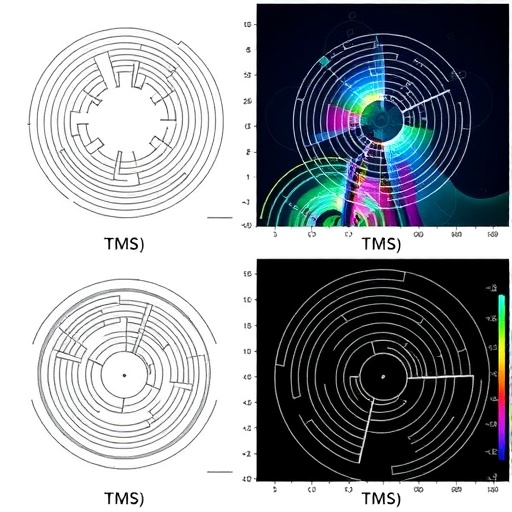
This study meticulously evaluates various TMS coil configurations, including figure-eight and circular types, in an effort to decode their specific influences on phosphene induction. Phosphenes are sensations of light that occur when the visual cortex is stimulated, even in the absence of visual stimuli. Understanding how different coil designs alter phosphene thresholds is vital, as it provides critical insights into the functional state of the motor cortex, which is essential for both clinical and research paradigms.
The findings reveal that the figure-eight coil, known for its focal stimulation capabilities, elicited significantly lower phosphene thresholds compared to the circular coil, which offers a more diffuse stimulation profile. This suggests that the figure-eight coil is more effective at targeting the motor cortex precisely, raising important implications for both the therapeutic and experimental use of TMS. The ability to modulate excitation levels with greater accuracy could lead to more reliable interventions for neurological disorders.
Moreover, the study further investigates the relationship between phosphene thresholds and overall motor cortex excitability. It posits that as thresholds decrease, indicating enhanced cortical excitability, there is a corresponding increase in the efficacy of motor neuron activation. This vital link could serve as a new measure for assessing the operational capacity of central nervous system functions, which is incredibly pertinent for conditions such as epilepsy, stroke recovery, and neurological rehabilitation.
An additional layer of complexity arises when considering individual variability in response to TMS. The authors adeptly highlight the necessity of personalized approaches to TMS protocol settings based on individual neurophysiological characteristics. This revelation underscores the broader trend towards precision medicine, where treatment strategies are tailored to the unique profiles of patients rather than applying a one-size-fits-all model.
The implications of this research stretch far beyond merely improving TMS protocols for research purposes. Enhanced understanding and application of TMS could translate into novel therapeutic interventions for a diverse array of neuropsychiatric conditions, including depression, anxiety, and chronic pain syndromes. Furthermore, the potential integration of these findings into routine clinical practices may signal a transformative shift in how we approach neurorehabilitation.
As advancements in neurotechnology continue to burgeon, the study highlights the necessity for further research to establish standardized guidelines that govern TMS application in clinical settings. This call to action resonates with the broader scientific community, advocating for collaborative efforts to foster interdisciplinary dialogue between neuroscientists, clinicians, and engineers alike.
In light of the findings, the study effectively underscores the critical role that methodological considerations play in TMS applications. With technology rapidly advancing, there is an ever-growing need for innovative coil designs, ensuring that researchers and clinicians have the tools necessary to maximize the efficacy of TMS interventions.
Vibrant discussions are already emerging across academic platforms as researchers digest these findings and consider the implications for their works. The community’s engagement can potentially accelerate innovations and applications, driving forward the frontiers of neuroscience and expanding our understanding of complex brain dynamics.
As interest surges in TMS and its utility in understanding brain function and disorders, this study serves as a cornerstone for future explorations. The quest to unlock the mysteries of brain activity via TMS may lead to potent interventions, fundamentally altering how we treat various neuropsychiatric conditions and ultimately enhancing patient outcomes.
Moreover, the synergetic relationship between technology and neuroscience may catalyze the development of new paradigms in cognitive rehabilitation. Consequently, this research is poised to spark discussions that may shape the trajectory of future studies and therapeutic approaches, demonstrating the profound impact that understanding TMS coil functions can have on neuroscience.
In conclusion, the work conducted by Fidancı and colleagues not only enriches the current body of knowledge surrounding TMS but also sets a precedent for continuous exploration of TMS applications. Scientists and clinicians alike are now urged to reconsider established protocols in light of new evidence, rekindling excitement about the evolving capabilities of neurostimulation technologies.
Subject of Research: Transcranial Magnetic Stimulation and Motor Cortex Excitability
Article Title: Effects of different transcranial magnetic stimulation coil types on phosphene thresholds and their association with motor cortex excitability.
Article References:
Fidancı, H., Alaydın, H.C., Cöddü, C. et al. Effects of different transcranial magnetic stimulation coil types on phosphene thresholds and their association with motor cortex excitability. BMC Neurosci 26, 62 (2025). https://doi.org/10.1186/s12868-025-00977-1
Image Credits: AI Generated
DOI: https://doi.org/10.1186/s12868-025-00977-1
Keywords: Transcranial Magnetic Stimulation, Motor Cortex Excitability, Phosphene Thresholds, Neurotechnology, Precision Medicine
Tags: advancements in TMS technologyeffects of TMS on brain functionexcitability of the human motor cortexfigure-eight and circular TMS coilsmotor cortex physiology insightsneurostimulation techniquesnon-invasive brain stimulation methodsphosphene sensations and visual cortextherapeutic applications of TMSTMS coil types and phosphene thresholdstranscranial magnetic stimulation researchunderstanding stimulation efficacy in neurostimulation