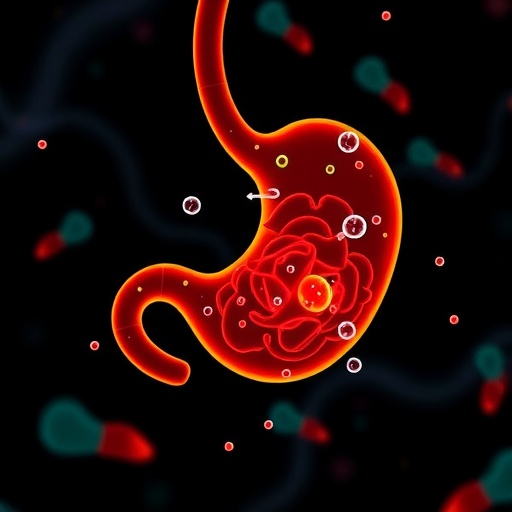
Recent advancements in the field of obesity treatment have led to the increasing use of intragastric balloons as a minimally invasive method for weight management. In a groundbreaking study published in Scientific Reports, researchers investigate the alterations in gut microbiota associated with these devices. This study is pivotal as it uncovers the biological mechanisms by which intragastric balloons can influence not only weight loss but also overall metabolic health.
The use of intragastric balloons involves placing a silicone balloon in the stomach, which is then filled with saline solution. This creates a feeling of fullness, allowing for reduced caloric intake and, ultimately, weight loss. However, the implications of this intervention extend beyond mere appetite suppression. Researchers are increasingly focusing on the role of gut microbiota in metabolic processes, linking bacterial populations in the digestive system with various health outcomes, including obesity and diabetes.
In recent years, the human gut has been recognized as a complex ecosystem teeming with microorganisms, influencing not just digestion but also immunity and metabolism. The balance of these microbial communities can be disrupted by dietary changes, health conditions, and external interventions, such as the implantation of an intragastric balloon. The study led by Komorniak and her team aims to elucidate the specific changes in microbial populations resulting from this weight-loss procedure, as well as the potential health benefits or risks that accompany these changes.
The researchers employed cutting-edge genomic sequencing technologies to analyze gut microbiota samples collected from patients before and after the placement of intragastric balloons. This method allowed for a comprehensive assessment of microbial diversity and abundance, facilitating deeper insight into how these bacteria respond to alterations in diet and digestive physiology. The findings revealed notable shifts in microbial communities, with certain bacterial strains increasing significantly during the treatment period.
Among the key observations, researchers noted an increase in beneficial bacteria associated with improved metabolism and reduced inflammation. These findings align with previous studies highlighting the role of specific gut bacteria in enhancing insulin sensitivity and promoting a healthy weight. The presence of these beneficial microbial populations suggests that the physiological responses generated by the intragastric balloon could be partially mediated through microbial modulation.
Conversely, the researchers also identified an increase in bacterial strains associated with dysbiosis—a state of microbial imbalance linked to metabolic disturbances. Such findings raise pertinent questions about the long-term implications of using intragastric balloons, particularly in individuals with already compromised gut health. While short-term weight loss may be beneficial, the potential for adverse metabolic consequences due to unfavorable shifts in microbiota must be carefully evaluated.
The exploration of microbiota changes associated with intragastric balloon usage offers new pathways for personalizing obesity treatments. Understanding the individual microbiome’s influence on treatment response could pave the way for tailoring interventions based on a patient’s unique microbial profile. This approach could potentially enhance weight loss outcomes and mitigate any adverse effects associated with treatment.
Furthermore, the study emphasizes the importance of integrating nutritional counseling and microbiome modulation as part of the intragastric balloon protocol. By implementing pre- and post-treatment dietary strategies aimed at fostering a diverse and beneficial microbial community, healthcare providers can maximize the effectiveness of weight-loss interventions while minimizing potential risks.
The researchers also highlight the necessity for ongoing monitoring of gut microbiota alongside weight-loss treatments, proposing that periodic assessments could inform adjustments in therapy as needed. As the science surrounding the gut-brain connection evolves, understanding the interactions within this complex microbial ecosystem could lead to more effective strategies for obesity management.
In conclusion, the findings from Komorniak et al.’s study advocate for a multifaceted approach to treating obesity that encompasses not only technological interventions like intragastric balloons but also an awareness of the role of microbiota in health and disease. As research continues to unveil the delicate balance between gut health and metabolic outcomes, the medical community is tasked with translating these insights into clinical practice for the benefit of patients struggling with obesity.
Overall, the research sheds light on the intricate relationship between intragastric balloons and gut microbiota changes. The implications are vast, spanning improvements in treatment efficacy, individual patient outcomes, and our overall understanding of metabolic health. As more studies emerge in this vital field, they promise to deepen our comprehension of obesity and revolutionize how we approach weight management in the future.
In summary, this exemplary research adds a significant layer to our understanding of weight loss and gut health. It signifies a crucial step forward in optimizing interventions for obesity and opens avenues for more tailored and effective treatments based on individual microbiotic landscapes.
Subject of Research: Changes in microbiota associated with the use of intragastric balloons
Article Title: Changes in microbiota associated with the use of intragastric balloons
Article References:
Komorniak, N., Cembrowska-Lech, D., Wiechowska-Kozłowska, A. et al. Changes in microbiota associated with the use of intragastric balloons. Sci Rep (2025). https://doi.org/10.1038/s41598-025-27652-z
Image Credits: AI Generated
DOI: 10.1038/s41598-025-27652-z
Keywords: intragastric balloons, gut microbiota, obesity treatment, metabolic health, microbiome, dysbiosis, personalized medicine, weight loss.
Tags: appetite suppression and gut bacteriabacterial populations and health outcomesdietary changes and microbiome balancegut microbiota changes obesity treatmentinterventions affecting gut healthintragastric balloon weight managementmetabolic health and gut floramicrobiota influence on metabolismminimally invasive weight loss methodsobesity diabetes microbiota connectionscientific research on obesity treatmentssilicone balloon stomach intervention