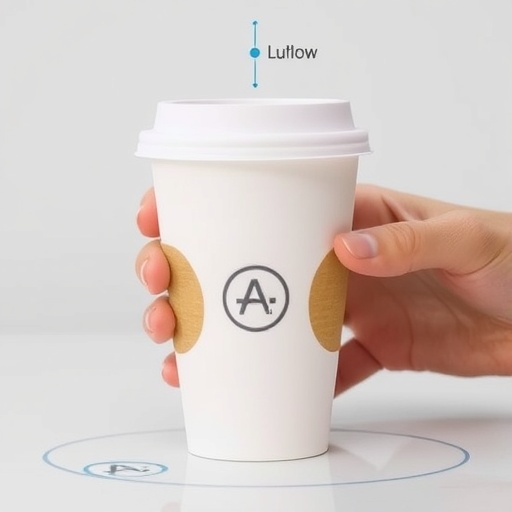
A groundbreaking innovation has emerged from the University of California, San Diego, with the introduction of a battery-free electronic sticker designed to monitor vitamin C levels through fingertip sweat. This remarkable device, which adheres to everyday items like drinking cups, eliminates the need for traditional blood tests or costly laboratory visits. By utilizing the natural perspiration generated by merely gripping a cup, this advanced technology offers a convenient and non-intrusive solution for health monitoring.
What sets this system apart is its ability to harvest energy from the sweat it collects, enabling it to function autonomously without a power source. This energy is utilized to analyze vitamin C concentrations and transmit the information wirelessly to nearby devices, such as laptops or smartphones. The research team emphasizes that this innovative approach transforms ordinary objects into smart sensors, enhancing our ability to monitor health metrics seamlessly throughout daily routines.
Vitamin C is crucial for various bodily functions, including immune support, tissue repair, and enhancing iron absorption. However, the traditional methods of assessing vitamin C levels, involving blood samples, have proven to be both costly and impractical for frequent use. The necessity of yearly doctor visits for health assessments means vital nutritional data often goes untracked for long periods, which can lead to undetected deficiencies in many individuals.
The newly developed electronic sticker presents a solution that is not only low-cost but also significantly reduces the barriers associated with routine health monitoring. Constructed on a flexible polymer sheet, the design integrates electronically printed components and utilizes a hydrogel pad to absorb sweat from the fingertips. This harvested sweat interacts with a biofuel cell embedded within the sticker, converting chemicals into energy to power the system.
In a significant advancement, the device’s creators have leveraged past innovations in wearable technology to develop a product that is unobtrusive yet powerful. The sticker’s ability to generate its own energy from subtle biological fluids means it can continuously monitor vitamin C levels, even when the user is inactive. This efficiency is particularly notable since fingertips are among the body’s most prolific sources of sweat, producing a steady stream that the device can harness.
In research settings, the sticker has been successfully tested on disposable cups, accurately tracking fluctuations in vitamin C levels after individuals consumed supplements or drank juice. The sticker managed to operate for over two hours, effectively demonstrating its capacity to function purely on energy derived from sweat. Such capabilities underscore the potential for its widespread application in everyday life, making health data more accessible and actionable.
Collaboratively developed by the labs of experts in chemical and electrical engineering, this technology builds on previous advancements in biochemical sensors. This collaborative approach merges two streams of research, marrying novel measurement techniques with the burgeoning field of smart, wearable devices. The results represent a significant leap forward in the quest for user-friendly health monitoring mechanisms that can operate without user intervention.
The implications of such technology could be profound, especially as it provides a pathway for continuous health tracking. Moving beyond the limitations of episodic health evaluations, the sticker helps users gain real-time insights into their nutritional status. This could fundamentally shift how individuals maintain their health and wellness, allowing for timely adjustments to diets and lifestyles based on readily available data.
Future iterations of this device could expand its utility beyond just vitamin C. The researchers envision a suite of nutrient and biochemical sensors that can provide comprehensive reports on various aspects of personal health. Such advancements would ideally transmit comprehensible health data directly to smartphones or smartwatches, integrating seamlessly with the health-focused apps that many individuals already use in their daily lives.
The affordability and accessibility of this technology may pave the way for its use in various settings, including low-resource environments where conventional testing methods are infeasible. This aspect of the design reflects a significant societal benefit, potentially allowing individuals in vulnerable populations to monitor their nutritional health without incurring heavy expenses or needing specialized medical access.
As this research garners attention, it represents not just a technical accomplishment, but a conceptual shift in how we view health monitoring. By suggesting a world where our everyday possessions can deliver real-time health information, the team at UC San Diego is positioning this technology within a larger vision of unobtrusive health management tools that could revolutionize how we care for our bodies.
By integrating such smart sensors into ordinary life, we can imagine a future where health monitoring is seamless, fostering an environment where individuals are more informed and empowered concerning their nutritional habits. The journey toward integrating health technology with everyday life is in its infancy, but this breakthrough is a promising stride in making proactive health tracking a routine part of human experience.
This health monitoring sticker not only illustrates an impressive technical feat but also embodies a forward-thinking approach to public health that prioritizes accessibility and user convenience. As researchers continue to innovate within this domain, we should anticipate a growing suite of technologies designed to keep us informed in a world that increasingly blends our digital and physical lives.
Subject of Research: Wireless, biofuel-powered vitamin C sensing through fingertip sweat
Article Title: A smart cup for wireless, biofuel-powered, sweat-based vitamin C sensing
News Publication Date: 14-Oct-2025
Web References: Biosensors and Bioelectronics
References: DOI: 10.1016/j.bios.2025.118100
Image Credits: David Baillot/UC San Diego Jacobs School of Engineering
Keywords
Health Monitoring, Vitamin C, Wearable Technology, Biofuel Cell, Sweat Sensors, Continuous Data Tracking, Nutritional Health Insights.
Tags: battery-free electronic stickerenergy harvesting technologyeveryday health monitoringhealth metrics analysisinnovative health solutionsnon-invasive health technologyperspiration-based sensorssmart health monitoring devicessweat-activated health monitoringUniversity of California San Diego innovationvitamin C level trackingwearable health tech