In a remarkable botanical discovery, researchers have uncovered a new subspecies of the plant Viola alba, known commonly as white violet, which has been recorded in the pristine areas of the Kashmir Himalaya. This finding not only expands the known diversity of the Violaceae family but also emphasizes the ecological significance of this stunning region. The Kashmir Himalaya, characterized by its sweeping vistas and a unique array of flora and fauna, continues to be a treasure trove for botanists and conservationists alike. With this new subspecies, the scientific community is eager to explore the implications and potential for conservation efforts.
The Kashmir region has long been recognized for its remarkable biodiversity, with varying climatic conditions that foster diverse ecosystems. Historically, botanists have identified a number of plant species native to this area, but the documentation of Viola alba subsp. alba represents a significant milestone. The journey to classify this plant involved rigorous fieldwork and meticulous examination of morphological traits that distinguish it from other subspecies. The research team, led by Aadil, F., and including prominent experts like Shansaz, U.H., and haq, E., undertook extensive exploration of the Himalaya’s intricate ecosystems to locate and study this elusive species.
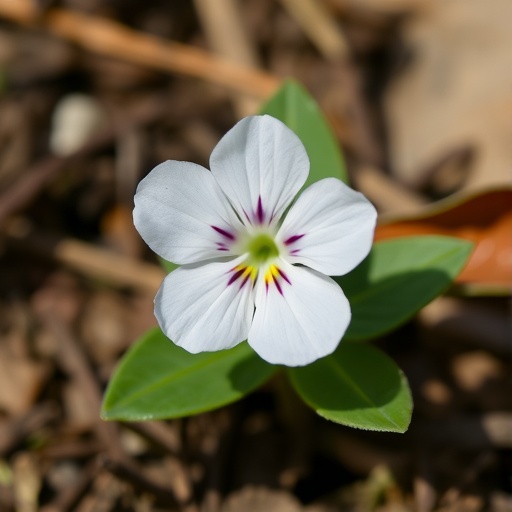
Viola alba subsp. alba embodies numerous distinguishing features that set it apart from other members of the Violaceae family. This subspecies displays unique leaf shapes, flower coloration, and overall plant morphology that contribute to its classification. The leaves are ovate to heart-shaped, contributing to the aesthetic appeal of the plant. The flowers are characterized by a delicate arrangement of pale white to slightly purple hues. Such traits not only highlight the beauty of this subspecies but also play a crucial role in attracting pollinators, thereby contributing to its reproductive success in its natural habitat.
A pivotal component of the research involved detailed ecological assessments of the habitat where Viola alba subsp. alba was found. The team documented the specific soil types, altitudinal range, and associated plant communities that characterize the ecosystem. By understanding the ecological preferences of this subspecies, researchers can assess the potential threats posed by climate change and human activities. The Kashmir Himalaya is not immune to environmental pressures, and safeguarding this plant requires an understanding of its environmental needs.
The importance of this discovery extends beyond mere classification; it emphasizes the pressing need for conservation in the Kashmir Himalaya. As populations expand and ecological pressures mount, flora such as Viola alba subsp. alba may face threats from habitat destruction and climate fluctuations. Raising awareness about the significance of preserving such plant species is imperative, as they are integral to maintaining the ecological balance. Moreover, these plants contribute to the local culture and economy, further complicating conservation efforts.
Furthermore, the documentation of Viola alba subsp. alba provides a valuable resource for further research. It opens avenues for inquiries into genetic diversity, evolutionary biology, and the ecological roles that this plant species plays in its native habitat. The observational data collected during this research will serve as a baseline for future studies aiming to explore the phylogenetic relationships within the Violaceae family. The scientific publication of this discovery will undoubtedly inspire further exploration in the region and prompt conservation initiatives targeted at safeguarding the unique biodiversity of the Himalayas.
The research findings have been disseminated through the esteemed journal, Discov. Plants, wherein the study reveals not only the classification details of the new subspecies but also encompasses broader discussions relating to plant distribution and conservation strategies. Such platforms offer critical exposure and acknowledgment of the vital research conducted in remote regions like the Kashmir Himalaya. The university and research institutions involved have underscored the significance of academic publication in bringing global attention to local biodiversity issues.
This botanical breakthrough sparks a sense of hope in the field of conservation biology, particularly in the context of alarming global biodiversity loss. The discovery resonates with ecological advocates and researchers, reinforcing the urgency of collaborative efforts in conservation practices. Knowledge sharing, local community involvement, and cultural preservation are paramount to ensure long-term viability for species such as Viola alba subsp. alba.
Future directions for research will likely focus on understanding how this subspecies interacts with its environment and influences local ecosystems. Investigating the specific pollinators, soil organisms, and other flora and fauna associated with Viola alba subsp. alba will piece together the ecological puzzle of the region. It may even introduce prospects for utilizing this plant in traditional medicine or horticulture, thereby enhancing its significance beyond mere ecological parameters.
Moreover, this finding paves the way for researchers to map out conservation priorities and strategies tailored for the Kashmir region’s unique ecological profile. It serves as a clarion call to protect and preserve such rare species and their habitats, ensuring they thrive for generations to come. Legal frameworks, sustainable practices, and collaborative community initiatives will be fundamental to safeguarding these important ecological assets.
As the narrative of Viola alba subsp. alba unfolds, it prompts a reflection on our relationship with nature and the need for stewardship of biodiversity. The voices of researchers and conservationists resonate together in advocating for a harmonious coexistence with the natural world. The Kashmir Himalaya remains a critical region for biodiversity and conservation endeavors, and the unveiling of new plant species like Viola alba subsp. alba continues to inspire and motivate.
In closing, the discovery of Viola alba subsp. alba is not merely a classification triumph; it is a powerful reminder of the intricate connections between biodiversity, culture, and conservation. The ongoing exploration will likely reveal more secrets of this majestic region, reminding us of the importance of preserving its ecological heritage. The research community stands united in its mission to explore, document, and protect these natural treasures, ensuring a harmonious future between humanity and the remarkable flora of the Kashmir Himalaya.
Subject of Research: Viola alba subsp. alba in the Kashmir Himalaya
Article Title: Viola alba subsp. alba (Violaceae): a new record from the Kashmir Himalaya, India.
Article References:
Aadil, F., Shansaz, U.H., haq, E. et al. Viola alba subsp. alba (Violaceae): a new record from the Kashmir Himalaya, India.
Discov. Plants 2, 303 (2025). https://doi.org/10.1007/s44372-025-00391-1
Image Credits: AI Generated
DOI: 10.1007/s44372-025-00391-1
Keywords: Viola alba, Kashmir Himalaya, biodiversity, conservation, Violaceae, plant classification, ecological significance.
Tags: botanical research in Himalayasconservation efforts for native floraecological significance of Kashmirfieldwork in botanical explorationKashmir Himalaya biodiversityKashmir region flora and faunamorphological traits of Viola albasignificance of plant classificationunique ecosystems of KashmirViola alba subspecies discoveryViolaceae family expansionwhite violet plant species