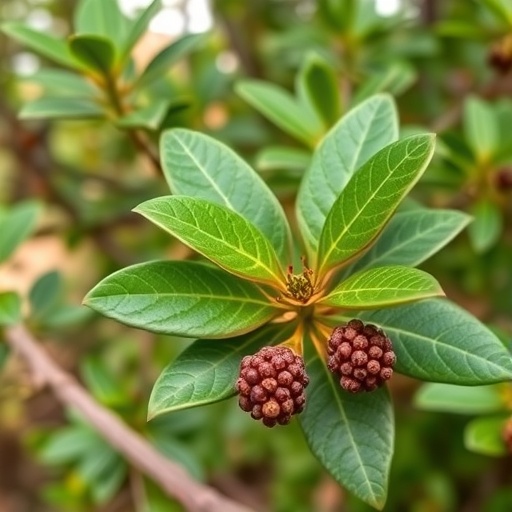
Bush medicine has long been intertwined with Indigenous cultures, serving not only as a means of healthcare but also as a sacred practice reflecting the connection between the people and their land. A recent study by researchers Turpin, Yeshi, and Crayn focuses on the bush medicine of the Mbabaram Aboriginal community located in Far North Queensland, Australia. This groundbreaking research provides new insights into the medicinal properties of traditional plants used by the Mbabaram, particularly highlighting their antioxidant and anti-inflammatory activities. This article delves deep into the findings of this study, shedding light on the rich tapestry of traditional knowledge and its implications for modern science and medicine.
The research aims to validate the traditional use of native plants in the treatment of various ailments by the Mbabaram people. The significance of this study is underscored by its potential to bridge Indigenous knowledge with contemporary scientific methods. Indigenous communities around the world have been using their local flora for healing purposes for centuries, often relying on empirical knowledge passed down through generations. This study reaffirms the efficacy of such practices, showcasing how traditional medicine can complement modern healthcare solutions.
The researchers undertook a rigorous methodology to capture the essence of the Mbabaram’s bush medicine practices. Through ethnobotanical interviews with community elders, the team collected a wealth of data on the different plants used, the ailments treated, and the preparation methods employed. These interviews not only documented the medicinal uses of the plants but also unveiled the cultural significance embedded within these practices. Understanding the context in which these plants are utilized offers invaluable insights into their therapeutic potential.
One of the study’s key aspects is the analysis of specific plant extracts for their chemical properties. The researchers selected a variety of plants traditionally used in bush medicine and subjected them to rigorous testing to evaluate their antioxidant and anti-inflammatory activities. The scientific community values such quantifiable results, as they provide a tangible link between traditional knowledge and modern pharmacology. The findings indicate that several of the tested extracts exhibit potent antioxidant activities, suggesting their capability to neutralize free radicals, which are known to contribute to numerous chronic diseases.
In addition to their antioxidant properties, the study placed a significant emphasis on the anti-inflammatory effects of these plant extracts. Inflammation is a common underlying factor in a wide array of health issues, including heart disease, diabetes, and autoimmune disorders. The ability of these plants to modulate inflammatory pathways signifies a promising avenue for developing therapeutic agents that can alleviate such conditions. This aspect of the research is particularly timely, as there is an increasing global interest in finding natural alternatives to synthetic anti-inflammatory medications.
Notably, the research also highlights the importance of sustainable practices when it comes to harvesting these medicinal plants. The Mbabaram community possesses a deep-seated understanding of their local ecosystem, which guides their approach to gathering resources without depleting them. This sustainable model serves as a powerful example for other communities and researchers, emphasizing the need for responsible stewardship of natural resources while promoting health-related practices.
Moreover, the study advocates for the integration of Indigenous perspectives within the broader framework of scientific inquiry. A growing recognition of Indigenous knowledge systems is emerging, with researchers advocating for collaborative approaches that respect and incorporate traditional wisdom alongside scientific validation. The Mbabaram community’s unique insights into their environment can lead to new discoveries that benefit both Indigenous and non-Indigenous populations alike.
The findings have broader implications for the fields of pharmacognosy and medical research. As the world searches for new treatments for chronic diseases, revisiting traditional medicine practices could offer alternative solutions that are both effective and culturally respectful. Researchers and healthcare practitioners are encouraged to consider the potential of indigenous plants as sources for novel pharmaceuticals. This study, in particular, sets a precedent for future investigations that may explore the vast biodiversity inherent in regions occupied by Indigenous communities.
In conclusion, this research shines a light on the invaluable contributions of the Mbabaram Aboriginal community to the field of medicinal science. By demonstrating strong antioxidant and anti-inflammatory activities of bush medicines traditionally used by the community, the study validates the wisdom of Indigenous practices while inviting the scientific community to explore these natural resources further. As researchers continue to uncover the secrets held within traditional knowledge, the potential for new health solutions grows exponentially, fostering a collaborative future between Indigenous cultures and modern science.
This enlightening study illustrates that there is much to gain from respecting and integrating Indigenous knowledge into contemporary medical discourse. The Mbabaram community’s bush medicine not only provides insights into effective treatments but also emphasizes the significance of preserving cultural heritage and biodiversity. As such, the research stands as a compelling call to action for both scientists and policymakers to promote sustainable practices and respect for traditional ecological knowledge.
Through this lens, the study encourages a renewed focus on the intersection of culture, science, and health. As we move forward, embracing the wisdom generations have passed down, we may discover new horizons in medicine that honor both our past and our future. The synthesis of traditional and modern knowledge systems offers pathways to a more holistic understanding of health and wellness that could lead to transformative changes in how we approach medical challenges.
As more studies like this one emerge, it can only be hoped that the respect for traditional practices continues to grow, laying the foundation for innovation that uplifts communities rather than dismantling them. The journey toward a more holistic approach in medicine is fraught with challenges, yet it is essential for ensuring equity and accessibility in health care for all.
Subject of Research: The medicinal properties of bush medicine used by the Mbabaram Aboriginal community.
Article Title: Bush medicine of the Mbabaram Aboriginal community in Far North Queensland demonstrates strong antioxidant and anti-inflammatory activities.
Article References:
Turpin, G., Yeshi, K., Crayn, D. et al. Bush medicine of the Mbabaram Aboriginal community in Far North Queensland demonstrates strong antioxidant and anti-inflammatory activities. BMC Complement Med Ther 25, 398 (2025). https://doi.org/10.1186/s12906-025-05042-2
Image Credits: AI Generated
DOI:
Keywords: Indigenous knowledge, antioxidant, anti-inflammatory, bush medicine, Mbabaram community, traditional healing practices, pharmacognosy, sustainable practices, health equity, biodiversity.
Tags: anti-inflammatory effects of traditional medicineantioxidant properties of native plantsbridging Indigenous and contemporary medicinecultural significance of bush medicineempirical knowledge in healthcareIndigenous Australian healthcareIndigenous healing practicesMbabaram bush medicinemedicinal plants of Far North Queenslandresearch on Aboriginal medicinal practicestraditional knowledge and modern sciencetraditional uses of native flora