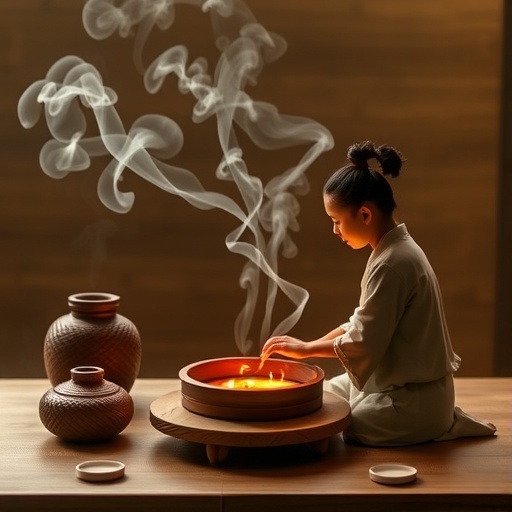
Moxibustion therapy, a traditional Chinese medicine technique involving the burning of mugwort to stimulate acupuncture points, has gained attention in various healthcare settings. In Hong Kong, a recent study has explored the feasibility and barriers to effectively implementing moxibustion therapy. This qualitative study, conducted by researchers Chen, Pang, and Gao, delves into the perceptions of practitioners and patients, revealing critical insights that can influence the integration of this ancient practice into modern healthcare.
The study highlights that while the medicinal benefits of moxibustion have been documented, there exists a hesitation among healthcare professionals in Hong Kong to incorporate it into their practices. The historical context of traditional Chinese medicine in the region has led to a unique acceptance of alternative treatments, but moxibustion remains relatively underutilized. Researchers conducted extensive interviews with both practitioners and patients to understand the underlying reasons behind this hesitance.
One of the major barriers identified is the lack of comprehensive training and regulation surrounding moxibustion therapy. Most practitioners who wish to offer this treatment often feel inadequately prepared to do so due to the absence of standardized education and certification programs. This gap not only affects practitioners but also raises concerns among patients about the safety and efficacy of moxibustion when it is administered by untrained individuals.
Furthermore, cultural perceptions play a significant role in the acceptance of moxibustion therapy in Hong Kong. While traditional practices are respected by many, there exists a cohort of the population that is more inclined towards Western medicine, viewing alternative therapies with skepticism. The researchers found that this dichotomy creates a challenge for practitioners who wish to promote moxibustion as a viable treatment option, as they often have to combat preconceived notions and biases against such therapies.
The study found that one of the most significant facilitators for the uptake of moxibustion therapy is the growing interest in holistic health approaches among patients. Many individuals are seeking out alternative treatments that complement conventional medicine, particularly in the management of chronic conditions. For practitioners, understanding this shift in patient mentality can provide them the motivation to explore further training in moxibustion and to integrate it into their practice.
Moreover, there is a marked interest in the scientific validation of moxibustion therapy. Patients expressed a desire for more research to be conducted that adequately demonstrates the benefits of moxibustion while also addressing the barriers to access and practice. As scientific inquiry continues to evolve, the potential for traditional therapies like moxibustion to gain a foothold in modern medicine increases.
However, funding for research into alternative therapies tends to lag behind that of conventional treatments. The study’s authors advocate for increased investment in clinical trials and research studies designed specifically to investigate the effectiveness of moxibustion and similar practices. This research is critical not only for the broader acceptance of moxibustion among healthcare providers but also for legitimizing its use in patient care.
In addition to regulatory and cultural barriers, practical challenges such as the cost and availability of moxibustion supplies were also noted. Many practitioners find it difficult to source high-quality moxibustion materials at reasonable prices, which can limit their ability to offer this treatment consistently. Establishing reliable supply chains for these materials could significantly enhance the feasibility of moxibustion therapy in clinical settings.
Furthermore, the dynamic nature of Hong Kong’s healthcare system presents both opportunities and challenges for the integration of moxibustion. As the city moves towards policies that encourage integrative healthcare, there is potential for moxibustion to be officially recognized as a complementary therapy. This shift could be pivotal in attracting a higher number of practitioners to pursue training in moxibustion techniques.
In light of these findings, the study emphasizes the importance of creating a supportive environment for moxibustion therapy through community education and outreach. Enhanced understanding among both practitioners and patients regarding moxibustion’s benefits could lead to a wider acceptance and use of this treatment modality. Educational campaigns aimed at demystifying moxibustion could significantly reduce the barriers identified in the study.
The investigators also suggest a multi-stakeholder approach to promote the integration of moxibustion therapy. This would involve collaboration between traditional medicine practitioners, conventional healthcare providers, regulatory bodies, and academic institutions. By fostering dialogue among these groups, the potential for creating cohesive frameworks that support traditional practices within modern medicine can be realized.
Lastly, the study serves as a call to action for practitioners, researchers, and policymakers alike to recommit to exploring and validating the potential of moxibustion therapy. By embracing the richness of traditional medicine, healthcare systems in Hong Kong and beyond can enhance their offerings and better serve diverse patient needs.
The findings of this comprehensive study provide a framework for future exploration into moxibustion therapy—an avenue that may hold promise for advancing integrative health strategies while respecting and revitalizing traditional healing practices in the modern world.
Subject of Research: Moxibustion therapy and its implementation in Hong Kong’s healthcare system.
Article Title: Feasibility and barriers of utilizing moxibustion therapy in Hong Kong: a qualitative study.
Article References: Chen, S.C., Pang, L.Y., Gao, J.Y. et al. Feasibility and barriers of utilizing moxibustion therapy in Hong Kong: a qualitative study.
BMC Complement Med Ther 25, 391 (2025). https://doi.org/10.1186/s12906-025-05136-x
Image Credits: AI Generated
DOI: 10.1186/s12906-025-05136-x
Keywords: Moxibustion therapy, traditional Chinese medicine, healthcare integration, qualitative study, barriers, feasibility.
Tags: acupuncture and moxibustion relationshipbarriers to moxibustion implementationbenefits of moxibustion therapyhealthcare integration of alternative treatmentshistorical contextMoxibustion therapy feasibility in Hong Kongpatient attitudes towards moxibustion therapyperceptions of moxibustion among practitionersqualitative research on moxibustionsafety concerns in moxibustion therapytraditional Chinese medicine practicestraining and regulation in moxibustion