In recent years, the intersection of traditional practices and modern medical research has gained significant traction, particularly in the realm of alternative therapies for chronic conditions. One such dissertation comes from a team of researchers led by Hu, Z., and including Chen, G., and Huang, Q. Their concentrated efforts shine a light on a multifaceted approach to managing knee osteoarthritis, a condition that afflicts millions worldwide. This study protocol, titled “Multiform-based Yi Jin Jing exercise against osteoarthritis of the knee,” is not merely an exploration but a randomized controlled trial that could pave the way for a new therapeutic pathway.
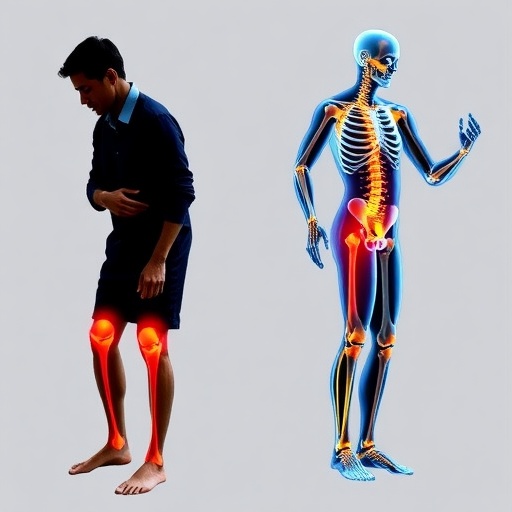
Knee osteoarthritis is a degenerative joint disease characterized by the breakdown of cartilage, leading to pain, stiffness, and impaired mobility. Conventional treatments often encompass pain management techniques, including medication and physical therapy, yet many patients continue to search for supplementary alternatives. The researchers propose Yi Jin Jing, an ancient Chinese exercise regimen recognized for its holistic approach to health and wellness. This regimen combines movement with mindfulness, addressing not only the physical aspects of osteoarthritis but also the emotional and mental well-being of individuals suffering from the ailment.
Yi Jin Jing, or “Muscle-Tendon Change Classic,” is traditionally practiced in the context of Tai Chi and Qigong, emphasizing gentle movements, breathing techniques, and meditative focus. The protocol for this latest study unfolds over several weeks, involving a rigorous selection process for participants who exhibit varying degrees of knee osteoarthritis. Participants will undergo baseline assessments, measuring pain levels, joint function, and quality of life. The systematic approach promises to gather comprehensive data, adding substantial value to the existing literature surrounding alternative therapies.
In constructing their study, the team aims to follow rigorous scientific protocols while respecting the essence of traditional practices. This dual emphasis is critical in validating Yi Jin Jing as a viable treatment option within the modern healthcare framework. The multifold nature of this exercise could lead to outcomes that extend beyond pain relief; they may foster improved mobility and emotional resilience as well. Such benefits highlight the necessity of exploring beyond conventional Western medical lenses.
The proposed trial includes a control group receiving standard care, enabling a direct comparison with the intervention group practicing Yi Jin Jing. This design not only strengthens the reliability of findings but also aims to elucidate the unique contributions of this ancient exercise method in a modern clinical setting. Assessing the physiological and psychological impacts will provide insight into how integrating traditional exercise forms can enrich contemporary medical treatments.
Previous studies have suggested that mind-body interventions can mitigate the symptoms of chronic pain and enhance patients’ overall quality of life. With yoga, Pilates, and Tai Chi already gaining popularity, the introduction of Yi Jin Jing could open new avenues for individuals seeking alternatives amidst the challenges of chronic health issues. This study investigates whether Yi Jin Jing can produce similar, if not superior, results relative to other prevalent alternative practices.
Another crucial component of the research focuses on understanding the physiological mechanisms underlying the observed effects. Researchers hypothesize that the gentle, flowing movements involved in Yi Jin Jing may promote better circulation, decrease inflammation, and support joint functionality—all key factors in alleviating osteoarthritis symptoms. Such findings could stimulate further investigations into other conditions where movement and mindfulness play pivotal roles.
As osteoarthritis continues to be a leading cause of disability, exploring non-pharmacological treatments like Yi Jin Jing may offer vital relief. The burden of this ailment extends beyond physical anguish; it can profoundly affect a person’s mental health, social interaction, and overall sense of well-being. The intent of this study aligns with the growing recognition of holistic health practices as paramount in managing chronic diseases in contemporary healthcare paradigms.
Each participant’s journey in this clinical trial will foster a rich narrative shared among the research community. By adhering to ethical research practices that advocate for participant welfare, this protocol also serves a dual purpose: validating an age-old practice while championing patient-centered care in modern medical research. Researchers are acutely aware of the need for transparency and continuous feedback throughout the trial to ensure comprehensive understanding and acceptance among participants.
Through qualitative assessments, such as participant interviews, researchers hope to capture the subjective experiences related to engaging in Yi Jin Jing. Gathering personal narratives alongside quantitative data could amplify the understanding of how such an ancient practice resonates with today’s health challenges, signaling a potential paradigm shift in managing chronic illnesses. The influence of personal stories can often elevate research findings beyond statistics, making them relatable and impactful.
Yielding insights from the randomized controlled trial may also incite a broader discussion on the integration of traditional Chinese medicine with modern therapeutic practices. The outcomes could incite further scholarly debate, fostering a climate where ancient wisdom and modern science cooperate rather than compete. This synergy may guide policymakers and healthcare practitioners in developing comprehensive treatment models that respect tradition while enhancing patient care.
In summary, Hu, Z., Chen, G., and Huang, Q. are at the helm of an innovative study that explores the significance of Yi Jin Jing in managing knee osteoarthritis. Their commitment to rigorous scientific inquiry speaks to a collective responsibility towards understanding and addressing the multidimensional aspects of chronic diseases. This research is poised not only to impact patients suffering from osteoarthritis but also to inform future studies aiming to intertwine traditional methods with modern medical wisdom.
As we await the outcomes of this study laid down for 2025, curiosity swells regarding the potential revelations that may arise. The influence of mindful movement on chronic pain management and overall well-being presents an enticing frontier in medical research, inviting both practitioners and patients alike to reconsider, explore, and embrace holistic avenues in health maintenance.
Subject of Research: Osteoarthritis management through Yi Jin Jing exercise
Article Title: Multiform-based Yi Jin Jing exercise against osteoarthritis of the knee: study protocol for a randomised controlled trial
Article References:
Hu, Z., Chen, G., Huang, Q. et al. Multiform-based Yi Jin Jing exercise against osteoarthritis of the knee: study protocol for a randomised controlled trial. BMC Complement Med Ther 25, 353 (2025). https://doi.org/10.1186/s12906-025-05105-4
Image Credits: AI Generated
DOI: 10.1186/s12906-025-05105-4
Keywords: Yi Jin Jing, osteoarthritis, knee pain, randomized controlled trial, alternative therapy, holistic health, traditional Chinese medicine, mind-body interventions
Tags: alternative therapies for chronic conditionsancient exercise regimens for modern healthcartilage degeneration and pain reliefemotional well-being in chronic illnessholistic treatment for joint painintegrative health approachesknee osteoarthritis managementmultifaceted approaches to arthritis carephysical therapy alternatives for knee painrandomized controlled trial protocoltraditional Chinese medicine and osteoarthritisYi Jin Jing exercise benefits