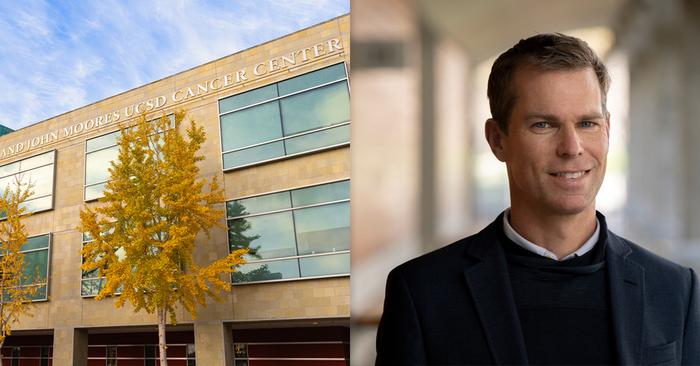
Researchers at the University of California San Diego (UC San Diego) have embarked on a groundbreaking endeavor to transform the landscape of cancer treatment through the fusion of advanced computational technologies and biomedicine. Awarded an up to $23.6 million contract by the Advanced Research Projects Agency for Health (ARPA-H), a dynamic and ambitious agency within the U.S. Department of Health and Human Services, this six-year initiative aims to develop innovative artificial intelligence (AI)-driven platforms capable of personalizing and adapting cancer therapies in real time. The project, entitled “Dynamic Digital Tumors for Precision Oncology,” envisions creating sophisticated digital models—or “digital tumors”—that will simulate the complex biology of individual cancer cases to guide more effective treatment decisions.
Cancer’s intrinsic heterogeneity remains one of its most confounding challenges. Advanced malignancies such as breast, lung, and colorectal cancers frequently evade standardized treatments due to the uniqueness of every patient’s tumor biology, influenced by a convoluted interplay of genetic mutations, microenvironmental factors, and systemic physiological changes. Traditional methods for therapy selection often fail to account for this biological complexity and temporal evolution of disease, leading to suboptimal outcomes. The UC San Diego-led initiative addresses this gap by engineering Drug Recommender Engines (DREs), AI-powered tools designed to integrate and analyze multifaceted biological data continuously, enabling tailored therapy predictions that evolve alongside the tumor’s progression.
The technical innovation underlying these DREs rests on developing computational frameworks that marry high-dimensional omics datasets, imaging data, and clinical parameters to create a digital twin of the patient’s tumor landscape. This digital twin incorporates the dynamic signaling pathways, cellular heterogeneity, mutational burdens, and microenvironmental influences that characterize each malignancy. By iteratively updating these models with longitudinal patient data, the DREs aim to anticipate tumor adaptation mechanisms, including drug resistance, and suggest precision-guided therapeutic regimens that optimize efficacy while minimizing adverse effects.
Professor Trey Ideker, who spearheads this initiative, combines expertise in medicine, bioengineering, and computational sciences to drive this multidisciplinary research. His vision is to transcend conventional cancer diagnostics and therapeutics by leveraging AI’s predictive prowess, thus empowering clinicians with real-time decision-making tools. These technologies are anticipated not only to streamline the therapeutic selection process but also to uncover novel biomarkers and treatment vulnerabilities through predictive modeling, accelerating the pace of translational oncology.
The significance of developing such adaptive platforms is underscored by the epidemiology of advanced cancers in the United States, where over half a million patients now live with advanced or metastatic disease states. The unpredictable nature of tumor evolution and response to therapy necessitates technologies that are as dynamic as the disease itself. Through capturing real-time feedback loops in tumor biology and treatment response, the DREs are poised to become an integral component in achieving precision oncology at a population scale.
Integral to this endeavor is a collaborative framework involving a consortium of leading institutions, including City of Hope, University of Washington, University of California San Francisco, University of Minnesota, alongside biotech innovators Unravel Genomics and Serinus Biosciences. This cross-institutional partnership synergizes cutting-edge research in genomics, systems biology, machine learning, and clinical oncology to validate and deploy the digital tumor platforms. The convergence of diverse scientific domains ensures robustness and translational potential in diverse clinical settings.
This project is a vital part of the broader ARPA-H ADAPT program, which represents a $142 million commitment towards personalized and adaptive cancer care. The ADAPT program prioritizes the utilization of emergent technologies and deep biological insights to refine treatment modalities over time, thereby moving beyond static therapeutic regimens toward dynamic, patient-specific interventions. The program supports not only computational tools but also first-of-its-kind clinical trials and real-time data analysis platforms, reflecting a comprehensive strategy to revolutionize cancer care.
Clinical pioneers at UC San Diego emphasize the potential impact of this research in overcoming the limitations of current treatment paradigms. Dr. Diane Simeone, director of the UC San Diego Moores Cancer Center, articulates how these technological advancements resonate with the institutional mission to transform healthcare delivery by harnessing precision medicine’s full potential. The integration of digital tumor models into clinical workflows promises a future where therapeutic misalignments are drastically reduced, and cure rates for advanced malignancies improve markedly.
Moreover, the continuous integration of novel data streams—ranging from genomic sequencing to patient electronic health records—enables the DREs to learn from an expanding corpus of cancer cases, thus refining predictive accuracy over time. The adaptability of these systems to evolving biological data patterns ensures clinical recommendations remain current, which is crucial in the rapidly shifting oncologic landscape where resistance mutations and immune evasion tactics frequently arise.
From a translational science perspective, the successful implementation of these adaptive digital tumor frameworks could set a new gold standard in oncology. By mechanistically simulating tumor evolution and pharmacodynamics, such platforms hold the promise of expediting drug development, informing combination therapies, and fostering precision clinical trials that dynamically personalize treatment arms based on interim digital tumor model readouts.
In summary, UC San Diego’s leadership in the ARPA-H-supported “Dynamic Digital Tumors for Precision Oncology” project represents a pioneering stride toward integrating AI-driven digital twin technologies in cancer treatment. The initiative tackles the longstanding challenge of tumor heterogeneity and therapeutic resistance by providing continuously adaptive, biologically informed treatment recommendations. This approach stands to transform oncologic care pathways, enhancing survival outcomes and quality of life for millions of patients confronting advanced cancers.
Subject of Research: Precision oncology and adaptive cancer treatment using AI-driven digital tumor modeling.
Article Title: UC San Diego Leads $23.6 Million ARPA-H Initiative to Develop AI-Powered Digital Tumors for Personalized Cancer Therapy.
News Publication Date: [Not Provided]
Web References: https://arpa-h.gov/news-and-events/arpa-h-pioneers-game-changing-cancer-care-designed-adapt-throughout-treatment
Image Credits: UC San Diego Health Sciences/University Communications
Keywords: Cancer, Artificial intelligence, Technology, Precision oncology, Adaptive therapy, Digital tumor modeling, Drug recommender engines, Tumor evolution, Machine learning, Personalized medicine
Tags: AI-driven cancer therapiesARPA-H grant for digital tumorsbreast lung colorectal cancer treatmentDrug Recommender Engines developmentdynamic digital tumor modelsinnovative biomedical technologiesovercoming cancer heterogeneity challengespersonalized cancer treatment solutionsprecision oncology advancementsreal-time cancer therapy adaptationtherapy selection complexitiesUC San Diego cancer research