
Researchers from the Technical University of Munich (TUM) and Helmholtz Munich have recently made a groundbreaking discovery regarding the immune system’s response to infections. Their study reveals that the body begins preparations for a more severe disease course much earlier than previously thought, even in the initial stages of mild infections. This research sheds light on the complex mechanisms of T cells, a critical component of the immune system that plays a fundamental role in fighting pathogens and orchestrating immune responses.
Traditionally, it was believed that certain subtypes of T cells, which are predisposed to exhaustion and reduced effectiveness, were only produced during chronic and severe infections. This misconception can have significant implications for treatment strategies, particularly in cancer therapy, where T cell exhaustion can hinder the efficacy of therapeutic interventions. The study indicates that even during mild illnesses, the immune system actively prepares T cell subtypes that may become exhausted, challenging established views on immune preparedness.
The research, conducted by an accomplished team of scientists, highlights the intricate dynamics within the immune system. As various T cell subtypes emerge, they demonstrate distinct functional capabilities tailored to specific disease scenarios. The study illustrates that the body does not merely react to infections; it preemptively organizes a diverse set of T cells to address potential challenges stemming from various disease courses.
The implications of this research are far-reaching. Understanding how T cells are primed at early infection stages could pave the way for novel therapeutic strategies. For instance, enhancing the immune response in cancer patients is a potential application, where bolstering the T cells may lead to improved outcomes. The research also suggests that managing T cell functions could provide insights into mitigating hypersensitivity during severe infections, such as those observed in COVID-19 patients.
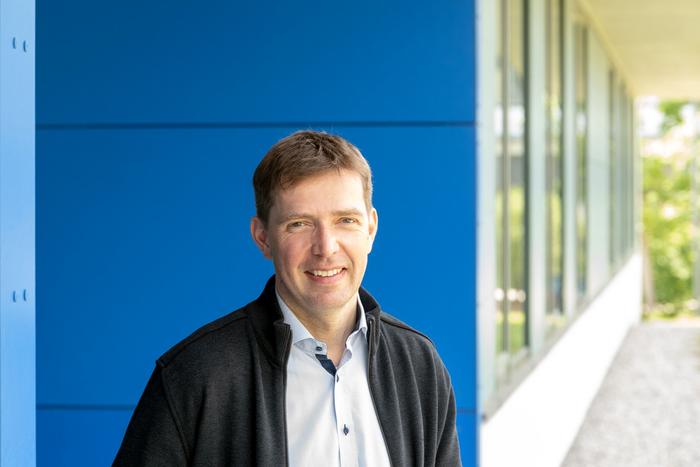
Prof. Dietmar Zehn, the lead author of the study and a professor of Animal Physiology and Immunology at TUM, emphasized the groundbreaking nature of the findings. His statement reflects a shift in how we perceive the immune response; rather than being a mere reactionary process, it is an anticipatory mechanism that adapts to potential future scenarios of disease progression. This perspective offers new avenues for research and encourages further exploration of T cell behavior in various clinical contexts.
The discovery also points to the potential for targeted manipulation of T cell responses to enhance patient outcomes in a multitude of infectious diseases. By learning how the body orchestrates these immune responses at such early stages, researchers can develop interventions that either amplify the immune response when facing malignancies or temper it to prevent collateral damage in severe infections, ensuring a balanced and effective immune strategy.
A deeper understanding of T cell exhaustion mechanisms, as highlighted by the TUM and Helmholtz Munich study, also underscores the significance of timing in immune responses. Timing can be a crucial factor in determining the trajectory of the immune system’s efficacy against pathogens; this research emphasizes the necessity for real-time monitoring of T cell behavior during infection. Implementing such strategies could have a direct impact on treatment protocols, allowing for more precision in managing immune responses.
The experimental methodologies embraced by the research team encompassed advanced immunological techniques that elucidate the pathways of T cell development and functionality. By employing both in vitro and in vivo models, the researchers meticulously analyzed the interactions and behavior of T cells during the early phases of infection. Such methodologies are essential for comprehensively assessing the implications of their findings and for paving the way for future studies.
As the scientific community delves deeper into the understanding of T cell dynamics, this research provides a stepping stone toward a more refined understanding of the immune system. The findings compel us to rethink established doctrines. It encourages future exploration into the earliest responses the immune system mounts and how these can be leveraged therapeutically.
Moreover, studies such as these highlight the importance of interdisciplinary collaboration in advancing our understanding of complex biological systems. The partnership between TUM and Helmholtz Munich exemplifies how collaborative research can yield novel insights that may ultimately enhance public health outcomes across various domains.
In conclusion, this discovery surpasses traditional paradigms, solidifying the notion that the immune system’s proactive strategies are integral in the early response to infections. The research opens new chapters in immunology and oncology, where harnessing the power of the immune system may redefine treatment protocols and improve patient outcomes significantly.
The ongoing investigation into T cell behavior will undoubtedly continue to shape our understanding of immunological processes, signaling a future where we can control immune responses tailored to the specifics of individual patients’ needs.
Subject of Research: T cells and their response mechanisms in early infections
Article Title: New Insights into T Cell Dynamics during Early Infection Stages
News Publication Date: January 8, 2025
Web References: DOI link
References: Research findings published in the journal Nature
Image Credits: Astrid Eckert / TUM
Keywords: T cells, immune response, infections, cancer therapy, T cell exhaustion, immune system, Technical University of Munich, Helmholtz Munich, immunology
Tags: cancer therapy implicationschronic infection misconceptionsearly immune response preparationsHelmholtz Munich findingsimmune preparedness challengesimmune system dynamicsmild infections immune systempathogen fighting T cellssevere disease immune strategiesT cell exhaustion mechanismsT cell subtype functionalityTechnical University of Munich research