
Researchers at Shinshu University School of Medicine have made a remarkable breakthrough in the field of cancer treatment, specifically targeting the relentless challenge of metastasis, which accounts for the majority of cancer-related fatalities worldwide. Metastasis is the process by which cancer cells spread from their original site to distant organs, rendering traditional therapies like surgery and chemotherapy less effective. This innovative approach involves the use of synthetic messenger RNA (s-mRNA) designed to enhance the immune system’s ability to recognize and destroy metastasizing cancer cells, potentially paving the way for new, more effective therapies that could significantly improve survival rates.
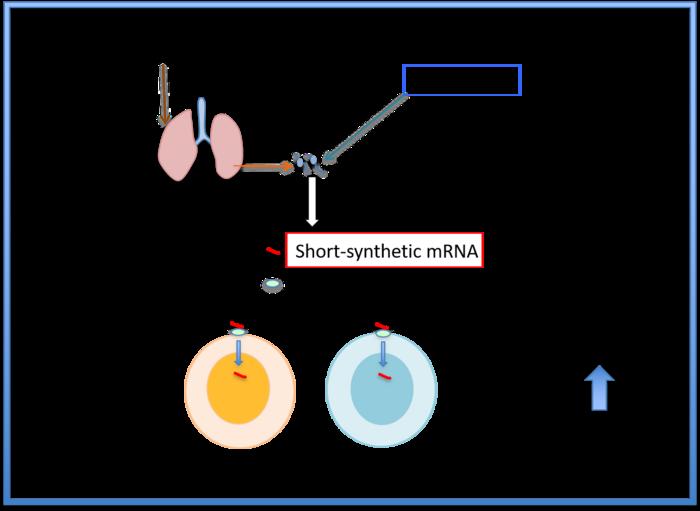
The synthetic mRNA developed by the research team led by Professor Sachie Hiratsuka and Associate Professor Takeshi Tomita, in collaboration with Professor Yoshihito Ueno from Gifu University, effectively revives the immune response against tumors. This breakthrough methodology is notable for its ability to harness the innate abilities of immune cells such as natural killer (NK) cells and cytotoxic T lymphocytes (CTLs) to combat cancer. By binding to the ZC3H12D receptor on these immune cells, the synthetic mRNA activates a sequence of biological events that culminate in the expression of GZMB—a critical protein involved in the cytolytic process that leads to cancer cell destruction.
Evaluating the stability of mRNA molecules has been a significant pitfall in previous research, leaving the efficacy of mRNA treatments in question. The natural IL1β mRNA, foundational to the development of the s-mRNA used in this study, is prone to rapid degradation by RNases—enzymes that break down RNA. The research team’s solution involved chemically modifying and shortening the mRNA, allowing it to evade premature degradation while retaining its immunostimulatory properties. The modified synthetic mRNA displays remarkable durability, remaining intact for up to 48 hours in both mouse and human serum—an essential characteristic for the effective delivery of therapeutic interventions.
Animal trials were carried out to ascertain the efficacy of the synthetic mRNA in combating metastasis. Tumors were induced in mice through the implantation of breast cancer cells, followed by the introduction of additional cancer cells into the bloodstream to simulate metastatic spread. The experimental group received intravenous injections of the s-mRNA, leading to a profound reduction in metastatic cells within the lungs. Particularly noteworthy is that just three doses, as low as 1 microgram each, resulted in a significant decrease of cancer cells, demonstrating the treatment’s efficiency even at minimal dosages.
Further experiments indicated that the immune cells activated by the synthetic mRNA retained their functionality over an extended period. In scenarios where primary tumors had been excised surgically, mice treated with the s-mRNA displayed notably fewer metastatic foci—early signs of metastasis—when analyzed three weeks later compared to the control group. Such results not only underscore the mRNA’s potential in reducing metastatic occurrences but also highlight its restorative effects on immune resilience.
Moreover, implications extend beyond animal models, with research demonstrating the potential applicability of this treatment in human patients. The synthetic mRNA was administered to immune cells derived from colon cancer patients, resulting in a reactivation that allowed these immune cells to successfully target and eliminate approximately 70% of cancer cells. These promising outcomes suggest that the s-mRNA treatment could synergize exceptionally well with existing cancer therapies, such as anti-PD1 antibodies, enhancing overall treatment efficacy and paving the way for multi-pronged approaches to cancer management.
As cancer research continues to evolve, this work represents a pivotal step forward, particularly against the formidable challenge of metastasis. With its ease of administration, safety profile, and the ability to irrefutably improve the immune response against tumor cells, the s-mRNA treatment could become a cornerstone of future oncological therapies. “One of the key advantages of the s-mRNA treatment is that it can be administered in multiple doses without causing unwanted inflammatory side effects,” Prof. Hiratsuka noted, indicating the practical benefits of the approach.
The broader implications of this research are profound. Not only could such therapies revolutionize treatment paradigms for metastatic cancer, but they may also provide insights into how we can better harness the body’s immune system in the fight against various malignancies. As more studies emerge exploring the versatility of synthetic mRNA, the future of cancer treatment may very well lie in personalized interventions tailored to individual immune profiles and tumor types.
In summary, the advances presented by the Shinshu University researchers underscore a promising horizon in cancer treatment, emphasizing the role of synthetic mRNA as a vital tool in orchestrating effective immune responses to counteract metastasis. This approach highlights a novel intersection of biotechnology and immunotherapy, standifying researchers’ commitment to exploring transformative solutions for one of the most challenging aspects of cancer treatment. If further developed and successfully transitioned into clinical practice, this innovative approach could herald a new era of cancer care that not only prolongs life but significantly enhances the quality of life for patients grappling with cancer.
Subject of Research: Synthetic mRNA and its role in preventing cancer metastasis
Article Title: Synthetic short mRNA prevents metastasis via innate-adaptive immunity
News Publication Date: February 25, 2025
Web References: Nature Communications
References: DOI 10.1038/s41467-025-57123-y
Image Credits: Professor Sachie Hiratsuka, Shinshu University School of Medicine
Keywords: Cancer, Synthetic mRNA, Metastasis, Immune Response, NK Cells, CTLs, Immunotherapy.
Tags: cancer immunotherapy advancementscancer metastasis researchcytotoxic T lymphocytes roleGZMB protein expressionimmune system enhancementinnovative cancer treatmentsmetastatic cancer treatmentnatural killer cells activationnovel cancer therapiesShinshu University breakthroughsurvival rate improvement strategiessynthetic mRNA therapy