A recent study published in the prestigious journal Nature Aging has shed light on a potential breakthrough in treating a prevalent yet challenging liver condition known as metabolic dysfunction-associated steatotic liver disease (MASLD). The significance of this study is underscored by the fact that MASLD has become increasingly common, particularly in areas such as San Antonio, where there are high obesity and diabetes rates. The implications of this chronic liver condition are severe, as it can progress to liver fibrosis, cirrhosis, and even liver cancer, representing a substantial public health challenge.
The collaboration marks a pivotal moment in medical research, co-led by Dr. Daohong Zhou from the University of Texas Health Science Center at San Antonio and Dr. Liya Pi from Tulane University. This intricate study provides compelling evidence that a new drug candidate has the potential to eliminate senescent cells, colloquially referred to as “zombie cells,” from the liver. This is crucial, as senescent cells accumulate in the liver in response to metabolic dysfunction, adversely influencing the trajectory of MASLD while significantly raising the risk of liver-related oncogenesis.
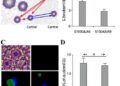
MASLD is intricately linked with obesity and diabetes, leading to excessive fat storage in the liver and initiating inflammation. The newly developed drug targets two specific proteins known as BCL-xl and BCL-2, which are instrumental in helping senescent cells avoid programmed cell death. By degrading these proteins, the drug candidates prompt the self-destruction of senescent cells, a process crucial for reducing liver fat accumulation, curtailing liver fibrosis, and potentially stymieing the progression to liver cancer.
The innovative approach taken in this study involved rigorous testing of the drug candidate in both in vitro cell cultures and in a mouse model designed to replicate MASLD. The results achieved were nothing short of remarkable, as the new drug displayed more potent effects when compared to prior senolytic treatments. Its selective targeting of senescent liver cells resulted in reduced liver damage and inhibited the growth of liver tumors, while notably sidestepping the toxic side effects often associated with existing therapies.
Dr. Zhou highlighted the overarching goal of this research: to pave the way for more selective and less harmful medicinal alternatives that can potentially address various liver diseases and age-related conditions. This emerging therapeutic strategy not only promises to enhance treatment outcomes for MASLD but also opens avenues for further exploration into the treatment of age-related afflictions that are compounded by the proliferation of senescent cells.
This significant research provides an encouraging perspective on the future of liver disease treatment, particularly in regions like San Antonio that confront elevated rates of obesity and diabetes. As such, it is imperative to amplify awareness about MASLD and the urgency for innovative treatment modalities that can slow its progression and prevent its severe complications, including liver cancer.
The particular relevance of this study arises from its implications for public health, given the substantial burden that liver diseases impose on communities. As diabetes and obesity rates continue to climb, addressing the roots of these metabolic disorders becomes increasingly pivotal. The integration of cutting-edge drug development focused on senolytic therapies may represent a significant component of a comprehensive strategy to tackle these chronic health issues.
The anticipation surrounding the potential of this drug candidate is further fueled by the scientific community’s interest in senescence and its effects on healthspan. As researchers continue to unravel the complexities of cellular aging, the linkage between metabolic disorders, inflammation, and senescent cell accumulation emerges as a critical area for future investigations. This research lays foundational groundwork for further studies aimed at elucidating the mechanisms by which senescent cells drive disease processes, particularly those related to the liver.
As the scientific discourse progresses, maintaining engagement with ongoing studies in this domain is imperative. Researchers, practitioners, and policymakers must collaborate to ensure that breakthroughs translate into practice, bringing hope to those affected by liver diseases. The urgency for effective treatment options, especially in high-burden populations, cannot be overstated, as ongoing research endeavors aim to turn promise into reality.
In conclusion, this groundbreaking study signifies a decisive leap forward in the quest for effective treatments for metabolic dysfunction-associated liver diseases. By targeting the underlying mechanisms through which senescent cells exacerbate liver damage, the novel drug candidate uncovered in this research opens avenues for innovative therapies that potentially transform the landscape of liver disease management.
Subject of Research: Metabolic dysfunction-associated steatotic liver disease (MASLD)
Article Title: A BCL-xL/BCL-2 PROTAC effectively clears senescent cells in the liver and reduces MASH-driven hepatocellular carcinoma in mice
News Publication Date: 31-Jan-2025
Web References: Nature Aging Study
References: doi:10.1038/s43587-025-00811-7
Image Credits: (This section is not applicable)
Keywords: Liver, Liver cancer, Senescence, Steatohepatitis, Drug candidates, Obesity, Diabetes
Tags: chronic liver condition managementliver disease treatmentliver fibrosis and cancer riskMASLD therapeutic breakthroughsmetabolic dysfunction-associated steatotic liver diseaseNature Aging study on liver diseasenew drug candidates for liver healthobesity-related liver diseasesoncogenesis in metabolic dysfunctionpublic health challenges liver diseaseresearch collaboration in liver healthsenescent cells and liver disease