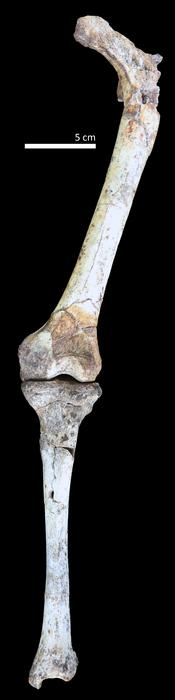

Paranthropus robustus, an intriguing species of prehistoric hominin, inhabited the verdant landscapes of South Africa approximately two million years ago. This species coexisted with Homo ergaster, a direct ancestor of modern Homo sapiens. Notable contributions to our understanding of Paranthropus robustus have emanated from Swartkrans Cave, a significant archaeological site that lies equidistant between Johannesburg and Pretoria. Since the commencement of scientific excavations in 1948, this site has yielded a wealth of fossils, allowing researchers to uncover details about the diet, social structures, and unique anatomical features of this extinct species.
The fossil evidence reveals that Paranthropus robustus possessed remarkably robust jaws and teeth with thick enamel, qualities which suggest a dietary adaptability. This is particularly evident during periods of food scarcity when individuals would likely rely on hard-to-chew, low-quality vegetation. Analysis of these fossils indicates an intriguing sexual dimorphism in the species. Some fossil evidence suggests significant size disparities between males and females, pointing towards a polygynous mating system where a dominant male would mate with multiple females. Such an arrangement casts light on the social dynamics of Paranthropus robustus.
Despite the wealth of data from skulls and teeth, researchers faced a challenge in reconstructing a comprehensive view of Paranthropus robustus‘s anatomy, stature, and locomotion due to the scarcity of well-preserved skeletal remains. However, this gap has recently been filled by astonishing new discoveries from Swartkrans. Notably, the first articulated hipbone, thigh bone, and shin bone have been identified, marking a significant leap in our understanding of this species’ morphology and biomechanics.
Research conducted by an international team from the Evolutionary Studies Institute at the University of the Witwatersrand—comprising esteemed scholars including Travis Pickering and Jason Heaton—has revealed that the newly discovered fossils belonged to a single young adult Paranthropus robustus. One striking revelation is the confirmation of the species’ habitual bipedalism, drawing parallels to modern humans. Furthermore, this specimen was notably petite, standing at roughly one meter tall and weighing only 27 kilograms, which positions it among the smallest known early human species, even when compared to the renowned ‘Lucy’ and ‘Hobbit’ skeletons.
The diminutive stature of this Paranthropus robustus individual raises critical questions regarding its vulnerability in a landscape inhabited by formidable predators such as sabertooth cats and giant hyenas. Fossil analyses unveiled evidence of predation, including tooth marks and chewing damage consistent with the predatory behaviors observed in modern carnivores, stemming from leopards and others. This unfortunate fate of one individual, while tragic, does not imply incompetence of the species as a whole.
On the contrary, Paranthropus robustus maintained a robust presence in the region for over a million years, with fossil findings showing strong correlations with stone and bone tool usage. These tools provided crucial advantages for survival, allowing individuals to butcher animals and excavate for edible roots and insects. Current inquiries are focusing on determining whether it was Paranthropus robustus or the contemporary Homo ergaster that crafted and utilized these tools. Nevertheless, the evidence leans towards Paranthropus robustus having the cognitive and physical attributes necessary for tool-making.
The ongoing analysis of these fossil remains includes advanced CT scans, which are expected to offer deeper insights into the internal structures of the bones, illuminating growth patterns, developmental stages, and further details of locomotor behaviors. Such contemporary methodologies amplify our understanding of the evolutionary adaptations that shaped Paranthropus robustus and its interactions within its habitat.
Researchers have amassed substantial evidence about the lifestyle and ecology of Paranthropus robustus, but much remains to be uncovered. Future examinations promise to elucidate further the interactions between Paranthropus and its environment, revealing how adaptations can lead to survival in challenging circumstances. The articulation of bones and associated findings chart a crucial narrative within the human evolutionary lineage, emphasizing the resilience of early hominins.
Each discovery serves as a reminder of the intricacies tied to the evolution of human-like species and their remarkable adaptations to the diverse ecosystems they inhabited. Insights gleaned from these fossilized remains not only broaden our understanding of Paranthropus robustus but also provide a crucial framework for exploring the evolutionary journey leading to contemporary Homo sapiens.
Thus, as ongoing research continues to marshal new technologies and methodologies, every glance into the past reveals more about the life, challenges, and adaptations of Paranthropus robustus. The field is poised for exciting revelations that can enhance our comprehension of humankind’s ancestral narrative, fundamentally altering our understanding of where we come from and how evolutionary forces shape our species.
In conclusion, the latest findings surrounding Paranthropus robustus come as a beacon of insight into our shared past. Each fragment of bone unearthed adds a vital piece to the puzzle of human evolution, underscoring the importance of continued exploration in the quest to unravel the mysteries surrounding not just Paranthropus, but the broader human story itself.
Subject of Research: Paranthropus robustus anatomy and behavior
Article Title: First articulating os coxae, femur, and tibia of a small adult Paranthropus robustus from Member 1 (Hanging Remnant) of the Swartkrans Formation, South Africa
News Publication Date: October 2023
Web References: https://www.sciencedirect.com/science/article/pii/S0047248424001556
References: Journal of Human Evolution
Image Credits: Jason L. Heaton
Keywords: Paranthropus robustus, human evolution, paleoanthropology, Swartkrans Cave, bipedalism, fossil finds, prehistoric diet, sexual dimorphism, hominins, tool use, predator-prey interactions.
Tags: dietary adaptability in early humansearly human ancestor fossilsevolutionary biology of Homo ergasterfossil evidence of social structuresParanthropus robustus characteristicspolygynous mating systems in ancient speciesrobust jaws and teeth in homininssexual dimorphism in homininssignificance of 1948 excavations in paleoanthropologySouth Africa prehistoric homininsSwartkrans Cave archaeological findingsupright walking evidence