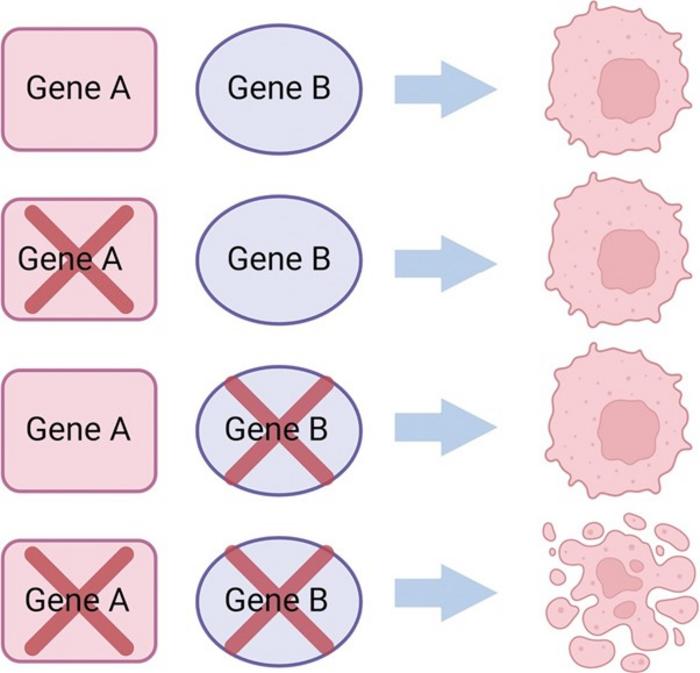
Poly(ADP-ribose) polymerase (PARP) inhibitors have emerged as a groundbreaking class of anticancer agents, particularly attractive for their mechanism of action revolving around the concept of synthetic lethality. The term “synthetic lethality” describes a situation where the combination of mutations in two genes leads to cell death, a scenario that can be effectively exploited in cancer treatment. This innovative therapeutic strategy is particularly relevant in tumors with compromised DNA repair mechanisms, such as those harboring mutations in the BRCA1 and BRCA2 genes.
The research into the clinical application of PARP inhibitors has intensified, particularly following the observations made by experts like Dr. Yujun Shi and his team from Sichuan University. Their literature review sheds light on the efficacy of PARP inhibitors in not only BRCA1 and BRCA2 mutated cancers but also in other malignancies that exhibit defects in DNA repair pathways. The acknowledgment of PARP inhibitors’ potential is underscored by their recent approval by regulatory bodies, such as the FDA, for treating patients with ovarian and breast cancers.
The dynamic relationship between PARP inhibition and DNA repair mechanisms is pivotal in understanding the therapeutic effectiveness of these agents. In essence, cancers with BRCA mutations exhibit a reliance on alternative DNA repair pathways, such as base excision repair (BER). By blocking these pathways, PARP inhibitors prevent the repair of lethal DNA damage, thereby leading to an unmanageable accumulation of DNA lesions within the cancer cells, ultimately resulting in cell death—a phenomenon often described as synthetic lethality.
As noted by Dr. Shi, the inhibition of PARP activity particularly impacts tumor cells that have lost their homologous recombination repair functionality due to BRCA mutations. These tumors become increasingly vulnerable to the induction of genomic instability, as they struggle to mend DNA double-strand breaks (DSBs). Consequently, treatments incorporating PARP inhibitors can significantly enhance DNA damage levels in these cells, amplifying treatment responses and achieving more favorable clinical outcomes.
The therapeutic landscape for cancer treatment has dramatically evolved with the integration of combination therapies involving PARP inhibitors. The synergistic effects noted when combining PARP inhibitors with standard chemotherapy agents, particularly platinum-based drugs, have yielded promising results. For example, the strategic use of olaparib alongside cisplatin or carboplatin has reported enhancements in treatment efficacy, as the dual approach elevates DNA damage and further obstructs the repair process.
Challenging the implementation of PARP inhibitors, however, are the adverse effects associated with their use. While these agents demonstrate robust efficacy, side effects like fatigue, mild to moderate anemia, nausea, and neutropenia can impede patient compliance. Understanding and mitigating these adverse reactions is paramount for optimizing treatment regimens and ensuring patient quality of life.
Investigations are still ongoing to profile the complete spectrum of cancers that may respond to PARP inhibitors. Researchers emphasize that further studies are essential to establish the drug’s potential against various malignancies beyond the currently approved indications. Notably, preclinical trials have hinted at efficacy in cancers such as pancreatic, gastric, and lung cancer, warranting exploration into effective treatment regimens that could make significant enhancements to patient outcomes.
Understanding the mechanistic underpinnings of resistance to PARP inhibitors is also crucial for future therapeutic advancements. Resistance can arise through various mechanisms, including mutations in the PARP1 gene, restoration of homologous recombination repair capacity, and the activation of drug efflux pathways. Addressing these challenges will be critical in the development of next-generation PARP inhibitors or alternative strategies that can either overcome or circumvent these resistance mechanisms.
The future of PARP inhibitors appears optimistic, given their impactful role in reshaping cancer therapy paradigms. Continued research and clinical insights will facilitate the development of personalized treatment approaches that integrate PARP inhibition with complementary therapeutic modalities, potentially redefining standard care practices among oncologists.
In conclusion, the exploration of PARP inhibitors as crucial players in the realm of cancer therapy promises to expand the horizons of effective treatment strategies. These agents exemplify how understanding complex biological mechanisms can lead to the development of innovative solutions to combat challenging diseases. By leveraging synthetic lethality, the oncology community hopes to offer patients more effective and personalized care options in the fight against cancer, reflecting a brighter prospect for those affected by this formidable illness.
Subject of Research: Cells
Article Title: Poly(ADP-ribose) polymerase inhibitors in cancer therapy
News Publication Date: 11-Feb-2025
Web References: Chinese Medical Journal
References: DOI: 10.1097/CM9.0000000000003471
Image Credits: Chinese Medical Journal
Keywords: PARP inhibitors, cancer therapy, synthetic lethality, DNA repair, BRCA mutations, chemotherapy, resistance mechanisms, personalized medicine, oncological research.
Tags: anticancer drug developmentBRCA1 and BRCA2 mutationscancer cell death mechanismsclinical research on PARP inhibitorsDNA repair mechanisms in cancernovel cancer treatment strategiesPARP inhibitors in cancer treatmentpoly(ADP-ribose) polymerase functionSichuan University cancer researchsynthetic lethality in oncologytargeted cancer therapiestumor DNA repair deficiencies