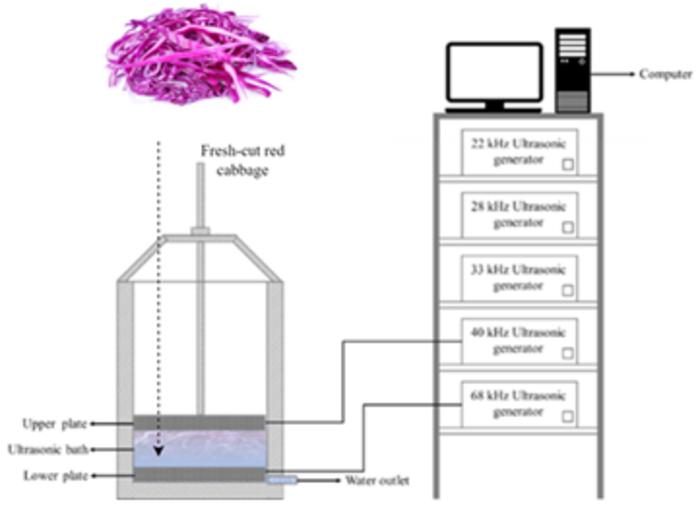
Ultrasonic cleaning, a sophisticated non-thermal processing technology, has been carving a niche in the food industry, particularly in the preservation and storage of fresh-cut fruits and vegetables. With a growing emphasis on food safety and quality, this method proves to be not only effective but also environmentally friendly, posing no toxicity risks. Researchers have been increasingly captivated by the potential benefits this technology offers, ranging from enhanced shelf life to improved nutritional value in the produce we consume.
Recent explorations into ultrasonic cleaning reveal its ability to significantly reduce microbial contamination on the surfaces of fruits and vegetables. This is of paramount importance as foodborne pathogens are a serious public health concern. Alongside microbial reduction, ultrasonic cleaning also aids in diminishing pesticide residues, thus ensuring a safer food consumption experience. In light of these findings, a research team from China has undertaken an innovative approach, focusing specifically on cleaning fresh-cut red cabbage with ultrasonic technology, achieving impressive cleaning efficacy in their studies.
The primary author of the study, Haile Ma, a senior researcher in the field, emphasized the dual role of ultrasound as both a cleaning agent and an abiotic stressor. There is growing recognition that the application of ultrasound can induce plants to synthesize and accumulate beneficial bioactive compounds. These compounds, particularly phenolics found in vegetables, have been well-documented for their antioxidant properties, which contribute to human health and well-being. Intriguingly, the phenomenon of ultrasound prompting these beneficial effects had not been extensively studied, paving the way for further research in this field.
While existing studies have primarily measured the immediate effects of ultrasonic cleaning on phenolic compound levels, the underlying mechanisms governing this synthesis remain elusive. This knowledge gap motivated the research team to delve deeper into the biochemical pathways activated during ultrasound treatment. The study presents evidence that these processes are intricately linked to the energy status of the plant material being treated.
Specifically, the research utilized fresh-cut red cabbage due to its rich phenolic content. The findings indicated that ultrasonic cleaning indeed enhances the accumulation of these valuable compounds. However, in revealing the complex nature of this relationship, the authors highlighted the critical role of energy metabolism in this process. They utilized treatments with ATP (adenosine triphosphate) and DNP (2,4-dinitrophenol) to manipulate energy levels within the plant tissues. The results delineated a clear relationship between energy metabolism, enzymatic activity, and the subsequent production of phenolic compounds.
Moreover, data demonstrated that ultrasonic treatment boosts the activity of key enzymes associated with energy generation. This, in turn, helps sustain the energy levels crucial for the biosynthesis of phenolic compounds. This coupling between energy metabolism and bioactive compound synthesis opens new avenues for enhancing the nutritional quality of vegetables through strategic applications of ultrasonic cleaning technology.
The implications of this research extend well beyond just improving food quality; they signify a step toward innovative practices in the agri-food sector. By adopting such technologies, producers can meet the increasing consumer demand for healthier, safer food options. Additionally, the reduction of pesticide residues and microbial pathogens through ultrasonic cleaning not only bolsters consumer health confidence but also aligns with sustainable agricultural practices, which are essential in the modern food landscape.
As the study emphasizes, further investigation into the precise mechanisms by which ultrasound induces changes in energy metabolism and phenolic compound synthesis is necessary. The findings call for a multidisciplinary approach, engaging food scientists, biochemists, and agricultural researchers to unravel the complexities of these processes. This collaboration could catalyze advancements in food preservation techniques, ensuring that fresh-cut produce retains not only its visual appeal but also its nutritional integrity long after processing.
The research team’s findings were published in the respected journal, Food Physics, contributing to a growing body of literature on ultrasonic applications in food technology. This publication reflects the journal’s commitment to disseminating groundbreaking research that bridges the gap between foundational science and practical applications in the food industry.
In conclusion, ultrasonic cleaning technology holds substantial promise for revolutionizing how we approach the cleaning, storage, and preservation of fresh-cut fruits and vegetables. By fostering an environment that encourages the synthesis of health-promoting compounds, this technology not only enhances the safety and quality of our food supply but also paves the way for healthier eating habits in an increasingly health-conscious world. As research continues to evolve, the integration of such innovative solutions in our food systems could transform agricultural practices, benefitting both producers and consumers alike.
Subject of Research:
Article Title:
News Publication Date:
Web References:
References:
Image Credits:
Keywords:
Tags: environmentally friendly food processingfood safety and quality enhancementfresh-cut red cabbage preservationHigh energy ultrasoundinnovative food preservation strategiesmicrobial reduction in foodnon-thermal processing methodsnutritional value improvement in producepesticide residue removal techniquesphenolic production in vegetablesultrasonic cleaning technologyultrasonic technology in agriculture